Monday, September 07, 2009

Rioters Invade Budapest's Jewish Ghetto

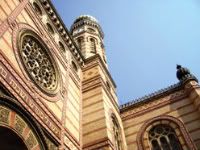
THE JERUSALEM POST: A crowd of 500 demonstrators, including neo-Nazis and skinheads, rampaged in Budapest's Jewish district.

Hungarian riot police deployed tear gas and baton charges Saturday against the vociferously xenophobic crowd as it tried to disrupt Hungary's annual Gay Pride parade.

More than 30 arrests were made on charges including possession of offensive weapons and riotous behavior. Heightened surveillance was enforced throughout the day to prevent a recurrence of the mayhem that ended last year's parade, in which there were more than a dozen serious injuries, according to Éva Tafferner, press officer at Budapest police headquarters.

The rioters invaded the heart of the traditional Jewish Ghetto District, started a small fire, tore down signs and shouted threatening anti-Semitic vitriol. The attacks were witnessed by families of foreign Jews visiting the district for the current Budapest Jewish Cultural Festival. >>> JTA | Sunday, September 06, 2009
U.S. Sources: Many Arab States 'Pledging' Normal Israel Ties

HAARETZ: U.S. special Mideast envoy George Mitchell has managed to obtain "pledges" from many Arab states for various steps toward normalization with Israel, some more significant and some less so, senior U.S. government officials told Haaretz on Sunday.

That is one of the main questions to which Israel is hoping to receive an answer when Mitchell arrives later this week or early next: what steps toward normalization the Arab states have agreed to take in exchange for a partial freeze in West Bank settlements.

Sources in the Prime Minister's Office, the Defense Ministry and the Foreign Ministry all said that Israel still does not have a clear picture of what quid pro quos Mitchell has managed to obtain in his talks with these states.

The U.S. officials also declined to specify which states had made these pledges. Saudi Arabia, which Washington had hoped would be one of them, has thus far refused to offer anything to Israel, though it has agreed to provide the Palestinian Authority with hundreds of millions of dollars to shore up its shaky financial situation.

"We've done our part," an associate of Prime Minister Benjamin Netanyahu's said on Sunday. "We decided to make an effort to facilitate the diplomatic process, but now we want to see that we will also get something in exchange."

According to the U.S. officials, some Arab states have agreed to let Israel open offices in their territory, others have agreed to grant visas to Israeli businessmen and tourists, and still others have offered to allow direct telephone connections between Israel and their countries. >>> Barak Ravid | Monday, September 09, 2009
Netanyahu’s Foolish Plan

YNET NEWS: Rona Kuperboim slams PM’s plan to limit alcohol consumption in bid to fight violence

It’s foolish and pointless. I’m talking about Prime Minister Benjamin Netanyahu’s plan to ban alcohol sales after 9 pm. In response to the latest Israeli trend – that is, killing – the PM announced that he intends to advance legislation that will prevent kiosks and gas stations from selling alcohol at all, while limiting selling times at stores.

This is how Bibi will be fighting violence! Because he’s unwilling to tolerate domestic terror! Oh no! So he found an idea that looks good and sounds authoritative, conveys a sense of determination, but contributes nothing. Welcome to the “how to make a headline” class.

Let’s start with an allegory. The residents of a small village live by the river. Once in a while, one of them becomes fed up with life, jumps into the river, and dies. What do you think the village chief should do: Block any access to the river with some kind of netting, or train people that can identify despaired individuals on time and encourage them?

Ok, I think we got the message. No netting can stop a man from getting drunk. Bibi would do well to find other ways to fight violence in our society aside from messing with our drinks. The issue here is not what goes into one’s blood stream, but rather, into one’s consciousness. Education, public discourse, and the increasingly extinct values of respect, tolerance, and fear of the law are difficult to change. It’s much easier to lock the doors of the convenience store. Israelis are light drinkers >>> Rona Kuperboim | Sunday, September 06, 2009
Enya: Gladiator Soundtrack

Private Militär Firmen: Orgien im Namen der USA

STERN: Die Sex-Party von Wachleuten in Kabul entsetzt die US-Regierung. Dabei ist sie mitschuldig an solchen Ereignissen. Die USA sollten ihre Abhängigkeit von privaten Söldnern schleunigst überdenken. Ein Kommentar von Sebastian Huld

Wachleute feiern in der US-Botschaft in Kabul Sex-Partys. Vorgesetzte zwingen ihre Untergebenen zu erniedrigenden Sex-Spielchen und fotografieren sich dabei. Peinlicher geht es kaum. Der Vorfall ist aber viel mehr als nur ein ärgerlicher und unangenehmer Ausfall von ein paar Sicherheitskräften, die zu viel Alkohol getrunken haben.

Es handelt sich nämlich nicht um reguläre US-Soldaten, sondern Söldner des britischen Militär-Unternehmens Armour Group, das mit der Botschafts-Bewachung beauftragt wurde. Mit ihren Ausfällen haben die Männer im muslimischen Afghanistan eine ganze Armee diskreditiert und so das Leben tausender Nato-Soldaten gefährdet.

Gefährliche Abhängigkeit

Die Beteiligten werden voraussichtlich nicht bestraft, denn als Söldner unterliegen sie nicht der US-Militärgerichtsbarkeit. Dass sie vor einem zivilen US-Gericht oder im Ausland verurteilt werden, ist ebenso unwahrscheinlich. Wahrscheinlich hingegen ist, dass sie bald schon wieder woanders im Einsatz sind. Vielleicht in einem anderen Land, in einem anderen Krisengebiet, aber noch immer im Auftrag der USA. Die Abhängigkeit der Vereinigten Staaten von privaten Militär- und Sicherheitsfirmen ist mittlerweile gravierend.

Zwar kann die US-Regierung als Auftraggeber bestimmen, mit wem sie zusammenarbeitet, doch sie hat praktisch keine Kontrolle darüber, wie und von wem die oft heiklen Aufgaben erfüllt werden. Vom Bau von US-Basen, über die Versorgung der Soldaten bis hin zum Kampfeinsatz wurden weite Teile militärischer Aufgaben in die Hand privater Firmen übergeben - ohne solche Kriegs-Dienstleister könnte das mächtigste Land der Welt vermutlich nicht einmal mehr Island erobern. Gefährliche Abhängigkeit >>> Ein Kommentar von Sebastian Huld | Freitag, 04. September 2009

Sex-Party in Kabul: Diese Bilder schockieren Amerika >>>
Russie: Le visage banal du crime raciste

LE TEMPS: A Saint-Pétersbourg, les meurtres racistes sont monnaie courante et la justice parfois indulgente

Ils préfèrent Hitler à Staline. Parce que le premier a assassiné moins de Russes que le second? Vous n’y êtes pas. «Hitler a fait du bon boulot chez lui!» clame Maxime, qui déplore toutefois que le chef nazi «ait attaqué la Russie». «Lui, il savait défendre son peuple, ce qu’il a fait est normal.» Agé de 22 ans, il parle posément et ne ressemble en rien à l’image d’Epinal du skinhead. Crânes rasés, rangers, bombers et jeans avec ourlet sont passés de mode. Et surtout, pas d’insignes. «Nous évitons de porter en public notre brassard [un swastika blanc sur fond rouge] afin de passer inaperçus», explique Ilia, 25 ans, leader de l’Union slave, organisation d’extrême droite russe dont certains membres ont commis des crimes racistes, selon la police de Saint-Pétersbourg. «Nous en avons marre d’être pistés et harcelés par les flics», explique Maxime, ex-skinhead sympathisant de l’Union slave depuis deux ans. Très bien organisées et entraînées, les jeunes recrues de l’Union slave cultivent une apparence tout à fait ordinaire.

Inquiétude constante

La tactique fonctionne. L’inquiétude est constante parmi les cibles principales: des ressortissants des ex-républiques soviétiques d’Ouzbékistan, du Tadjikistan, de Géorgie, d’Arménie et d’Azerbaïdjan. «Avant, on les reconnaissait de loin à leur apparence de skinheads, explique Moukhammadnazar Mirzoda, président d’une association d’amitié russo-tadjique. Aujourd’hui, ils ressemblent à n’importe qui. A des supporters du Zenit (club de foot local), à des ro­ckers… il y a même des gamins parmi eux. N’importe quel groupe de jeunes est potentiellement dangereux. La peur monte.»
«Les attaques sont minutieusement organisées, comme pour une opération militaire», ajoute Dmitri Doubrovski, un collègue de l’universitaire, sociologue à l’Université Smolni de Saint-Pétersbourg, spécialisé dans l’étude de la xénophobie. «Habituellement, les attaquants forment plusieurs groupes, l’un chargé de la surveillance, l’autre de repousser d’éventuelles réactions des passagers, le troisième enfin qui se charge de la victime.» >>> Emmanuel Grynszpan, Moscou | Lundi 07 Septembre 2009
Ahmadinejad se dit prêt à discuter publiquement avec Obama

TRIBUNE DE GENÈVE: IRAN | L'Iran est prêt à un dialogue sur le nucléaire dans un cadre "juste et logique" avec les grandes puissances du groupe 5+1, a déclaré lundi le président iranien.

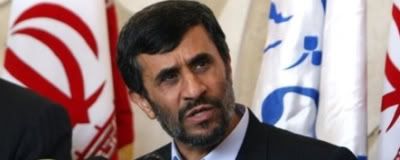
Le président iranien Mahmoud Ahmadinejad a déclaré lundi qu'il était prêt à "discuter" avec le président américain Barack Obama devant les médias internationaux, lors d'une conférence de presse.

"Nous avons proposé un dialogue dans un cadre logique et juste avec tous les pays (...) qui peuvent permettre de changer les choses" dans les affaires mondiales, a déclaré M. Ahmadinejad.

Le groupe groupe 5+1 comprend les membres permanents du Conseil de sécurité Etats-Unis, Russie, Chine, France, Grande-Bretagne ainsi que l'Allemagne. >>> AFP | Lundi, 07. September 2009
Terrorgefahr in Deutschland: «Wir müssen aufmerksam sein»

BERNER ZEITUNG: Angesichts des deutschen Afghanistan-Einsatzes sieht das Bundeskriminalamt (BKA) vor der Bundestagswahl einem Medienbericht zufolge eine erhöhte Gefahr von Anschlägen in Deutschland.

Das gehe aus einem aktuellen, als Verschlusssache deklarierten Lagebericht hervor, aus dem das ARD-Magazin «Report Mainz» zitiert. In dem nur für den Dienstgebrauch vorgesehenen Bericht heisse es, «dass vor allem das unverändert hohe Engagement Deutschlands in Afghanistan als Rechtfertigungsgrund für Anschläge gegen deutsche Interessen im In- und Ausland durch islamistische Organisationen genutzt wird». Das BKA kommentiert eine entsprechende Vorabmeldung am Montag auf AP-Anfrage nicht.

Wie «Report Mainz» weiter berichtet, beziehen sich die Autoren unter anderem auf Videobotschaften und schriftliche Verlautbarungen unterschiedlicher Terror-Organisationen. Seit Jahresbeginn habe es zudem einen deutlichen Anstieg von Propaganda mit unmittelbarem Bezug zu Deutschland gegeben. Diese direkte Ansprache sei neu. Die Gruppierungen versuchten seit Jahresbeginn, «mit zuvor nicht bekannter Intensität» in Deutschland aufgewachsene Muslime zu rekrutieren. >>> bru/ap | Montag, 07. September 2009
Turquie-Adhésion: L'UE critiquée

leJDD.fr: Un rapport d'experts dirigé par l'ancien président finlandais Martti Ahtisaari publié lundi estime que l'Union européenne doit donner un nouvel élan aux négociations d'adhésion entamées avec la Turquie. "Ces attitudes et ces politiques négatives de la part de dirigeants européens sont en contradiction flagrante avec toutes les décisions et tous les engagements de l'UE", écrivent les auteurs de ce rapport. "Elles remettent en question la crédibilité de l'UE, sa fiabilité et le principe qui veut que les engagements soient honorés." Ankara est également invitée à "accélérer la mise en oeuvre de ces réformes économiques et politiques pour convaincre les européens du bien fondé de sa candidature". [Source: leJDD.fr] | Lundi 07 Septembre 2009
California Arsonist May Face Death Penalty for Los Angeles Widlfire [sic], Prosecutors Say

THE TELEGRAPH: The suspected arsonist who started the Station wildfire that swept through the hills above Los Angeles last week could face the death penalty, prosecutors say.

Two firefighters died when their vehicle crashed off the road as they worked with a group of inmates battling the blaze during some of the most intense hours of the operation.

Sheriff Lee Baca has said police have launched a murder investigation following the deaths during the biggest fire in the history of Los Angeles County.

A law enforcement source told The Los Angeles Times on Saturday that "material that didn't belong there" has been found at the site suspected to be where the fire started, a twice-scorched slope near Mile Marker 29 along Angeles Crest Highway.

The suspicious substance was reportedly found in the brush off the highway and has been sent for laboratory testing.

The fire, which was 42 per cent contained by Saturday morning, has destroyed more than 154,000 acres and 76 homes. It has cost more than $37 million to fight but the much greater damage to property, wildlife is still being assessed.

There is a recent precedent for an arsonist receiving the death penalty.

In June, Raymond Lee Oyler, a mechanic, was sentenced to die for setting the 2006 Esperanza blaze that claimed the lives of five firefighters.

Even if the fire was accidental, the newspaper reported that the starter could face jail time if charged and convicted of involuntary manslaughter or negligent homicide resulting from a tossed cigarette, fuel spill or other careless act that caused the fire. >>> Philip Sherwell in San Francisco and agencies | Saturday, September 05, 2009
Lubna Hussein Returns to Court over Sundanese ‘Indecency’ Laws

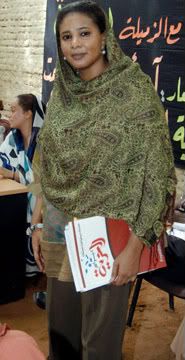
TIMES ONLINE: Sudan is facing international condemnation as the trial resumes today of Lubna Hussein, a Muslim woman who faces a flogging for breaking indecency laws by wearing trousers.

Speaking to The Times before her court appearance, Ms Hussein, 34, a widow, said that she was overwhelmed by the public support she has received in her fight to change a law that she says discriminates against women.

“I am so happy when I see all of the support from around the world,” she said by telephone from the Sudanese capital Khartoum. “It is not support for Lubna Hussein but for human rights and women’s rights in Sudan and elsewhere in the world.”

Ms Hussein wants to force the repeal of Article 152 of Sudan’s penal code, which orders a fine and flogging for women dressed in an “indecent” manner. >>> Tristan McConnell | Monday, September 07, 2009
Michael Moore Film Calls Capitalism Evil

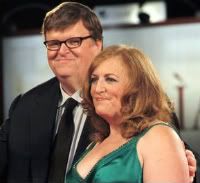
THE TELEGRAPH: The latest film by Michael Moore, the US documentary maker, says that capitalism is "evil". Capitalism: A Love Story, targets the big banks and speculators who have been blamed for contributing to the global financial crisis.

Capitalism: A Love Story, targets the big banks and speculators who have been blamed for contributing to the global financial crisis.

The film premiered at the Venice film festival on Sunday.

Blending his trademark humour with tragic individual stories, archive footage and publicity stunts, the 55-year-old launches an all-out attack on the capitalist system, arguing that it benefits the rich and condemns millions to poverty.

"Capitalism is an evil, and you cannot regulate evil," the two-hour movie concludes.

"You have to eliminate it and replace it with something that is good for all people and that something is democracy."

The bad guys in Moore's mind are big banks and hedge funds which "gambled" investors' money in complex derivatives that few, if any, really understood and which belonged in the casino. >>> | Sunday, September 06, 2009

Trailer: Michael Moore’s New Film Capitalism: A Love Story

The Long and the Short of It!

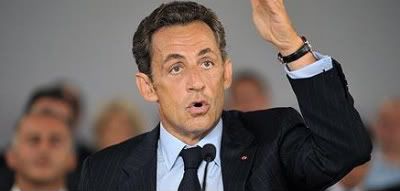
THE TELEGRAPH: Twenty short people were ordered to stand behind Nicolas Sarkozy so as to make him look taller while delivering a keynote televised speech, it has emerged.

They were bused in after being 'vetted' by aides of the French President who made sure none were taller than his own height of 5ft 5ins.

The extraordinary scenes unfolded at the Faurecia motor technology plant in Caligny, south of Caen, Normandy, last Thursday.

Mr Sarkozy looked far more statuesque than usual as he posed in front of the large group of white coated technicians on a specially erected stage.

In scenes being broadcast across France today, a woman researcher admits on camera that she was chosen because of her small size.

Asked by a TV journalist if it was necessary for her to be no taller than the President's 5ft 5ins - a height which rises to around 5ft 7ins thanks to his trademark stacked heels - she clearly replies: 'There you have it.'

Pictures are then shown of the 20 workers on board a coach which brought them in from other parts of the three mile square Faurecia site.

All admitted that they were among the smallest members of the 1400-strong Faurecia workforce, and had been selected to replace the usual workers in the unit where Mr Sarkozy made his speech about the car industry.

Mr Sarkozy, who is notoriously sensitive about his height, did not want a repeat of the fiasco in June when he was caught using a footstool when delivering a speech alongside Gordon Brown and Barak Obama on one of Normandy's nearby D-Day beaches.

Both the 5ft 11ins British Prime Minister and 6ft 2 ins American towered above Mr Sarkozy when they used the same podium, humiliating him in front of a worldwide audience.

But while the incident in June was considered funny, this time round Mr Sarkozy was accused of scandalously manipulating his media image for political ends. Nicolas Sarkozy 'surrounded by short people for TV speech' >>> Peter Allen in Paris | Monday, September 07, 2009

Fall of the Roman Empire (Prelude to Documentary)

Roman Empire Falling into Dark Ages

Halal Ads Hit French TV

Photobucket
Halal butchery and poultry shelves in a supermarket in Illzach, France, on the eve of the beginning of Ramadan. Photo: TIME

TIME: A pack of shoppers swarm supermarket shelves, cheerfully snapping up packages of prepared lasagna, ravioli and paella as they sing the products' praises. Sounds just like a normal evening TV ad. And it is, only this one features ethnic-Arab actors in a commercial for halal food in France. A first in its own right, the ad is already a remarkable sight on French TV. But even more surprising is the reaction it's gotten — or, rather, hasn't gotten. In a country that's usually quick to burst into outrage over the spread of Islam into secular society, these halal-food ads have been playing without a peep from the public.

The ad campaign by Panzani-owned, Lyon-based food brand Zakia Halal is the first ever mass-market promotion of halal food to France's estimated 5 million Muslims. The TV spots kicked off on Aug. 17 to coincide with the start of the holy month of Ramadan and have been running on most of France's largest television channels since. The $430,000 campaign will be put on pause Sept. 2, then resumed as Ramadan comes to an end later this month and the feast of Eid el-Fitr approaches. Thus far, the spots have gotten a mostly supportive reaction from Muslim shoppers and the French media, with the daily Le Parisien trumpeting "Halal Takes a Spot on TV."

What's astounding is how long it took for any of France's numerous makers of halal food products to embrace this kind of mass marketing. Studies done by ethnic-marketing consultancy Solis Conseil in Paris estimate that French Muslims currently purchase about $5.7 billion worth of specialized foodstuffs and related products — a market that's been increasing nearly 15% annually for almost a decade. Solis has also found that nearly 94% of all Muslims in France with North African roots — by far the largest group of Muslims in the country — buy exclusively halal food. A recent poll by the Ifop agency found that 70% of Muslims in France are observing Ramadan this year — leaving little doubt as to the thinking behind the timing of Zakia Halal's groundbreaking ad campaign.

"Even though people have to fast during the day, Muslims tend to eat more — and better — when they can eat during Ramadan, which is why it is traditionally a period of peak consumer activity," explains Abbas Bendali, director of Solis Conseil. "Zakia's timing makes good sense because people tend to be short on time during Ramadan and will use prepared dishes along with fresh food for meals. And when you consider the size and value of this demographic, using mass-market methods to promote halal products becomes logical too." But it's also potentially inflammatory, given the tendency of the French to view overt manifestations of Islamic faith as a threat to the nation's tradition of secularity. >>> Bruce Crumley, Paris | Wednesday, September 02, 2009
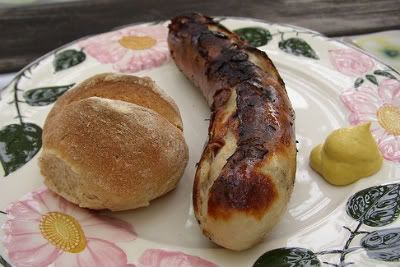
Geschichte einer Einwanderung: "Die Bratwurst ist die Trennlinie zwischen West und Ost"

SPIEGEL ONLINE: Wie kommt man als Muslim dazu, doch mal Schweinefleisch zu kosten? Und wie erhält man als Pakistaner den Vornamen Niels? Hasnain Kazim berichtet von der Einwanderung seiner Familie nach Deutschland. SPIEGEL ONLINE veröffentlicht Auszüge aus seinem Buch "Grünkohl und Curry".

Meine Mutter machte kurz nach ihrer Ankunft in Deutschland das erste Mal in ihrem Leben Bekanntschaft mit Schweinen. Die Tiere standen in einiger Entfernung auf einer Wiese im niedersächsischen Rastede, sie entdeckte sie, als sie mit Omi und Opi unterwegs war. Omi und Opi, das waren Mariechen und Erich Koch, Verwandte eines deutschen Kollegen meines zur See fahrenden Vaters, die meine Eltern bei sich aufgenommen hatten. "Ich wunderte mich: Was sind das für riesige Viecher? Schafe? Aber sie hatten kein Fell. Schweine kannte ich nur aus pakistanischen Bilderbüchern: kleine, rosafarbene Tiere. Diese Wesen hier waren schwarzbraun und riesengroß, fast so groß wie Kühe."

Sie starrte die Schweine an, sie begriff, dann entfuhr ihr: "Pigs! There [sic] are pigs!" Omi fiel diese Szene regelmäßig ein, wenn sie Geschichten von früher erzählte. "Deine Mutter sagte nur 'Pigs!' Und ich: Ja, das sind 'pigs'. Die hatte sie wohl noch nie zuvor gesehen."

Omis schnatterndes Gelächter.

Es war nur eine Frage der Zeit, bis das Fleisch dieser Tiere auch auf dem Teller meiner Mutter landete. Ich weiß nicht, inwiefern Omi meine Eltern gefragt hat, ob sie Schweinefleisch essen, oder ob sie es ihnen überhaupt angeboten hat. Meine Mutter hatte es bis dahin trotz des Bratengeruchs auf dem Schiff, auf dem mein Vater arbeitete, und bei Kochs zu Hause nicht probiert, weil sie innerlich nicht dazu bereit war - noch nicht. Jahrelang hatte sie gehört, wie eklig Schweinefleisch ist. Sie sah, dass mein Vater an Bord angefangen hatte, Schweinefleisch zu essen, und fand es nicht weiter schlimm. Sie selbst rührte es nicht an. Aber dann briet Omi eines Abends Schweinekoteletts, kochte Kartoffeln und Rotkohl dazu und dünstete im Bratfett Ananasstücke an. Meine Mutter, hochschwanger, hatte großen Appetit.

"Was gibt es zum Abendessen?"

"Koteletts mit Ananas."

"Ah, Koteletts mit Ananas!"

Kotelett hatte sie gelernt und Ananas heißt auch auf Urdu Ananas.
Es schmeckte ihr so gut, dass sie noch heute davon schwärmt. "Aus Pakistan kannte ich Lammkoteletts vom Grill, die sehen fast genauso aus." Allerdings sind die viel schärfer, aber das war wohl zweitrangig. Fortan war Schweinefleisch für meine Mutter kein Problem mehr. Kein Schwein gehabt >>> Hasnain Kazim | Montag, 07. September 2009
Du burkini au voile, l'Europe cherche la réponse

Photobucket
Un mannequin présente un modèle de burkini en Turquie. Ces tenues de bain islamiques ont fait leur apparition un peu partout en Europe. Crédits photo : Le Figaro

LE FIGARO: Les gouvernements des pays de l'UE hésitent sur la conduite à tenir face au port du voile intégral dans les lieux publics.

C'est une première en Europe : une femme portant le niqab, ce voile couvrant tout le visage, a pu témoigner début août dans un tribunal de Copenhague, alors même que la justice danoise proscrit chapeaux et lunettes de soleil à la barre ! Comme en France, le port de la burqa fait l'objet d'intenses débats au Danemark, à la suite d'une proposition du parti conservateur, au pouvoir, visant à l'interdire dans les lieux publics.

Les Pays-Bas ont été les premiers, dès 2005, à envisager une interdiction totale de la burqa, pour des raisons de sécurité. Un texte avait été déposé par le député populiste Geert Wilders, adversaire résolu de l'islam radical. Mais, depuis, le gouvernement tergiverse : aucune loi n'a encore été adoptée. Et, dans la pratique, les municipalités ont du mal à imposer une interdiction : une commune qui avait refusé de verser ses allocations sociales à une femme n'ayant pas trouvé d'emploi à cause de sa burqa a été condamnée en juin 2007. Interdit «saufpendant le carnaval» >>> Stéphane Kovacs | Lundi 07 Septembre 2009
Venezuela will Iran 20.000 Barrel Benzin pro Tag liefern

DIE PRESSE: Trotz reicher Erdölvorkommen mangelt es dem Iran an Raffinerien. Ab Oktober will Venezuela mit Benzin aushelfen. Damit könnte das Ajatollah-Regime drohende Sanktionen wegen seines Atomprogramms umgehen.

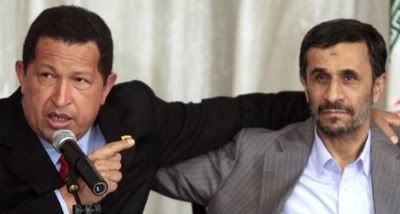
Venezuela will dem Iran künftig 20.000 Barrel Benzin täglich liefern. Das kündigte der venezolanische Staatschef Hugo Chavez am Sonntag bei einem Besuch im Iran an. Die Lieferungen im Wert von insgesamt 800 Millionen Dollar (560 Millionen Euro) würden im Oktober beginnen, sagte Chavez in der Stadt Mashhad im Nordosten des Landes lokalen Medien zufolge. Die Erlöse werde Venezuela nutzen, um im Gegenzug vom Iran Ausrüstung und Technologie zu kaufen. Über welche Dauer die Lieferungen erfolgen sollten, sagte Chavez nicht. Zu wenige Raffinerien im Iran >>> Ag. | Montag, 07. September 2009
Race Riot Flared after Muslims Were Urged to Confront Right-wing Protests

TIMES ONLINE: Birmingham’s top Muslim leader urged his followers to “vent their feelings” against anti-Islamic protesters during a weekend rally that ended in violence and dozens of arrests, The Times can reveal.

Muslims were encouraged by the Birmingham Central Mosque to counter-demonstrate during Saturday’s protest in the city, which was organised by the right-wing English Defence League (EDL). It is understood that Muslims were encouraged to confront the protest against the advice given by the West Midlands Police to community leaders to stop their followers from attending.

Mohammad Naseem, Birmingham Central Mosque’s chairman, considered to be the most senior community leader in the West Midlands region, told The Times yesterday that he encouraged members of his congregation to attend the rally, at which about 80 people were arrested, to express the Islamic community’s solidarity.

Dr Naseem’s advice came less than a month after Muslims of predominantly Asian heritage clashed with the EDL in Birmingham at another antiIslamic rally that led to 35 arrests.

He said the presence of Muslims at the weekend protest was an important stand against anti-Islamic fascists. “I think it shows that the community has got a sense of cohesion,” he added.

The police used their batons to subdue the violent crowd of more than 200 people, predominantly aged between 16 and 36, who threw bottles at each other and exchanged punches.

They could not stop the clash between the two groups despite initially containing them to two separate locations in the city. It is believed that half of those arrested were counter-protesters.

The Times understands that the West Midlands police received assurances from Muslim leaders during numerous meetings in the past two weeks that their community members would be discouraged from attending the protest, which the EDL had announced at the August 8 demonstration in Birmingham.

“The police had a lot of engagement with mosques, youth workers and social workers, and a lot of work went on to encourage people to stay away and not attend,” police sources said. “But it is obviously difficult to stop kids going and their presence alone would be deemed provocative.”

Asked if it would have been a better idea to encourage Muslims not to attend the rally at all, Dr Naseem said: “The thing is, that is their right, I cannot say, ‘You don’t have this right’.” >>> Richard Kerbaj | Monday, September 07, 2009

Sunday, September 06, 2009

BP to Strike It Rich with Libya Contracts

THE TELEGRAPH: BP is not expecting an early pay-off from its contentious Libyan contract tied to prisoner transfers but analysts say the potential from the huge tracts of exploration territory is enormous.

The group was awarded onshore and offshore areas equivalent to the size of Belgium and Kuwait in May 2007 as a "sweetener" to speed progress on a prisoner deal at the time. The oil and gas potential is said to be considerable but until now there has been little recognition of how significantly the Libyan deal could benefit BP.

Tony Blair personally attended the signing ceremony, shortly before Britain signed a wide-ranging memorandum of understanding with Libya on extradition, legal assistance and established the framework for the release of the Lockerbie bomber. >>> Roland Gribben | Sunday, September 06, 2009
Saudi Arabia: 'Pure' Islamic Alternative to YouTube Launched

LOS ANGELES TIMES: In a move to preserve religious and moral values in cyberspace, a group of unidentified Saudis have launched a "clean" Islamic alternative to the leading video-sharing site YouTube.

It's called NaqaTube.

Naqa means "pure" in Arabic. The website offers a collection of edited and Islamically "clean" clips from YouTube under the banner, “Participate with us in a clean website."

Site administrators censor video clips that express critical views of the government, Islamic scholars and members of the Saudi royal family.

In keeping with Saudi Arabia's strict religious and moral codes, music videos and clips featuring women are also banned. Any music videos on NaqaTube must adhere to Islamic rules.

Abu Ibraheem, the handle of a NaqaTube moderator, assured in an interview with the Saudi English-language daily Arab News that all footage on NaqaTube is "religiously safe."

The clips, he said, are often edited before being posted. Visitors also can use its online tool to edit their own footage before uploading it to the site.

Abu Ibraheem told the paper that he hopes NaqaTube will some day rival YouTube, perhaps by decreasing the number of visitors to YouTube.

But for now NaqaTube will have to wait. It has attracted only 5,000 to 6,000 visitors since its launch this summer, Abu Ibraheem said.

Plans are in the pipeline to launch NaqaTube in languages other than Arabic.

The vast majority of clips on NaqaTube have religious themes. Visitors are offered a spectrum of more than 10 channels, including a science-themed one and a site featuring children's cartoon clips.

Viewers are also offered countless clips of religious scholars giving lectures and debating Islamic rules on talk shows.
Abu Ibraheem stressed that NaqaTube is promoting "moderate" Islamic teachings and "nothing extreme."

NaqaTube isn't the first religious counterpart of YouTube. Other examples include JewTube, Islamic[t]ube, and GodTube (now called tangle.com), which describes itself as using "technology to connect Christians for the purpose of encouraging and advancing the Gospel worldwide."

NaqaTube comes as Saudi Arabia tries to censor Internet content deemed harmful to its values.

The initiative, titled Saudi Flag[g]er, includes 200 volunteers who search YouTube for inappropriate content.

Once a racy clip is found, a member of the campaign flags it. Users are then encouraged to complain to YouTube administrators that the video contains “hateful or abusive content” that “promotes hatred or violence” against religious groups, according to the campaign's website. >>> Alexandra Sandels in Beirut | Sunday, September 06, 2009
Dinner with Sarah

Watch AP video: Palin’s eBay dinner: Want to have dinner with former Alaska Gov. Sarah Palin? Plan on writing a big cheque. The ex-Republican vice presidential candidate is offering the dinner as part of a charity auction on eBay >>> | Saturday, September 05, 2009
Libyen-Affäre: «Qadhafi hat sein Gesicht verloren»

TAGES ANZEIGER: Bundespräsident Merz hätte versuchen sollen, Qadhafi zu treffen. Selbst wenn dies bedeutet hätte, drei Tage lang auf ihn zu warten, sagt Nahost-Experte Hottinger.

Herr Hottinger, haben Sie eine Ahnung, wann die beiden Schweizer Geiseln freikommen?

Es gibt zwei Möglichkeiten: Entweder erlässt Qadhafi einen Gnadenakt – danach sieht es allerdings nicht aus – oder es gibt neuen Druck auf die Schweiz. Wenn Qadhafi das im Sinn hat, behält er natürlich sein Pfand.

Man hat den Eindruck: Qadhafi will die Schweiz schmoren lassen.

Seine Idee, die Schweiz aufzuteilen, zeigt, dass Qadhafi die Temperatur sogar noch etwas erhöhen möchte. Das würde heissen: Sein Rachebedürfnis ist noch lange nicht gestillt. Jetzt kommt es sehr auf die Geschicklichkeit der Schweiz an. Dabei muss sie sich an Qadhafi orientieren, nicht an den Regeln des Rechtsstaats. Der Rechtsstaat hat in Libyen keine Bedeutung. Man muss schauen, wie man Qadhafi beschwichtigen kann.

Was also würden Sie dem Bundesrat raten?

Zuerst einmal: Nicht in Panik verfallen. Weiter braucht es eine Ouvertüre, in der sich Qadhafi in Szene setzen kann, nicht seine Minister. Es war wohl ein Fehler, dass Bundespräsident Hans-Rudolf Merz mit einem Minister verhandelt hat, und dann das Angebot, «du kannst den grossen Chef sehen», nicht wahrnehmen wollte oder nicht wahrnehmen konnte. Das hätte geheissen, auf Qadhafi zu warten.

Anmerkung: Laut Recherchen der Online-Redaktion des «Tages-Anzeigers» hat Bundesrat Merz bestritten, dass es ein Angebot zu einem Gespräch mit dem lybischen Staatschef gab.

Unter Umständen hätte das dauern können.

Ja, aber wenn der Bundespräsident die Reise schon unternimmt, hätte er wohl warten müssen, vielleicht drei Tage lang. Das wäre auch dann der Fall gewesen, wenn er von vornherein ein Rendezvous zugesichert bekommen hätte.

So oder so heisst das: Die Schweiz muss sich demütigen lassen.

Das sollte man nicht so schweizerisch sehen. Es handelt sich um eine Stammesangelegenheit zwischen zwei Stämmen, dem libyschen und dem schweizerischen. Wir sind in einer Fehde. Wenn zwei Stämme streiten, braucht es einen Schiedsrichter. Das muss so über die Bühne gehen, dass Qadhafi nicht sein Gesicht verliert. >>> Von Ruedi Burger | Samstag, 05. September, 2009

Arnold Hottinger: Die Länder des Islam >>>

TAGES ANZEIGER:
Libyen widerspricht Merz: Rückkehr der Geiseln nie zugesagt: In der Schweiz liege wohl ein Missverständnis vor, sagt der libysche Vize-Aussenminister – und erzählt seine Version der Abmachung. >>> oku/sda/ap | Sonntag, 06. September 2009
Deal for Terror Release?

Revealed: Blair's Role in Megrahi Release

THE INDEPENDENT ON SUNDAY: MPs want to know what deal was struck over the Lockerbie bomber at a meeting in a London club in 2003 – long before either the Scottish government or Gordon Brown was involved

Tony Blair will be thrust into the controversy over the release of the Lockerbie bomber Abdelbaset Ali al-Megrahi with questions in Parliament over a secret meeting the then Prime Minister orchestrated that brought Libya in from the cold.

MPs are set to demand the minutes of an extraordinary cloak-and-dagger summit in London between British, American and Libyan spies held three days before Mr Blair announced that Colonel Muammar Gaddafi was surrendering his weapons of mass destruction programme.

At the time of the secret meeting in December 2003 at the private Travellers Club in Pall Mall, London – for decades the favourite haunt of spies – Libyan officials were pressing for negotiations on the status of Megrahi, who was nearly three years into his life sentence at a Scottish jail.

Whitehall sources said the issue of Megrahi's imprisonment was raised as part of the discussions, although it is not clear whether Britain or America agreed to a specific deal over his imprisonment, or a more general indication that it would be reviewed.

MPs are to investigate what was promised by Britain at the talks on 16 December, and the role that Mr Blair played in the affair. Until now, the controversy over Megrahi's release last month has centred on discussions between Gordon Brown's government and the Scottish executive and Libya since 2007, with Mr Blair apparently not involved in any way.

It has also focused on claims that the deal was related to oil deals, with Jack Straw admitting yesterday that BP's interests in Libya played a "big part". But authoritative sources said the seeds for Megrahi's release were sown in 2003, when Libya made the historic agreement to end its status as a pariah, and that the focus on oil and trade was a "red herring".

Yesterday the Libyan Foreign Minister, Musa Kusa – who himself was present at the Travellers Club meeting – told The Times that Megrahi's release was "nothing to do with trade".

Two days after the meeting Mr Blair and Col Gaddafi held direct talks by telephone; and the next day, 19 December, the historic announcement about Libyan WMD was made by Mr Blair and President Bush.

At the time, the British government was in desperate need of an intelligence victory after the debacle of going to war in Iraq in the belief that it had weapons of mass destruction.

The Iraq Survey Group had just reported it had found no biological or chemical weapons. Two months after the talks, Mr Blair travelled to the Libyan desert to extend the "hand of friendship" to Col Gaddafi in a Bedouin tent, calculating that the PR coup of Libya dismantling WMD programmes outweighed American outrage.

Yet, in the end, it was revealed that Libya had not developed a nuclear- weapons capability and so did not pose as great a threat to the West as was feared. >>> Jane Merrick | Sunday, September 06, 2009
John Rentoul: Faraway Bombs Leave Brown's Hopes in Tatters

THE INDEPENDENT ON SUNDAY: We are surely approaching the final chapter of the Prime Minister's career, and the story is being written in Afghanistan and Libya

Prime ministers tend to be defined as much by their foreign policy as by what they achieve at home. Eden – Suez; Wilson – Vietnam; Heath – Europe; Thatcher – Falklands; Blair – Iraq. Hence the importance to Gordon Brown of getting Afghanistan right. Just like Barack Obama, he took over from a leader identified with Iraq, and found himself embroiled in another war, which had started before and which will go on afterwards. In both Britain and the US, a foreign war has become caught up in a domestic political drama.

President Obama faces his first crisis of popularity, forced to plead for his health-care reforms at a joint session of Congress this week, as Rupert Cornwell writes today. Brown is in such a pit of unpopularity that his problem is different. For him, Afghanistan is about much shorter-term politics. The two foreign affairs stories of the late summer, the release of Abdelbaset al-Megrahi and the criticism of Brown's Afghanistan policy by Eric Joyce, the Labour MP and former army officer, feed into a Westminster narrative about the Prime Minister's survival as leader of his party.

The immediate focus was not on the content of Joyce's letter of resignation from the junior, unpaid post of parliamentary private secretary (PPS) to Bob Ainsworth, the Defence Secretary. The first question was: is it part of another plot to try to destabilise the Prime Minister?

In this, Brown is partly the victim of the tactics that brought him into 10 Downing Street. Tony Blair was hustled offstage by the co-ordinated resignations of PPSs and the publication of a critical letter. That was a coup orchestrated by Brown's henchpersons. Brown can hardly complain when people assume that similar tactics are being deployed against him. He can hardly be surprised when it is pointed out that Joyce is a Blairite. So Blairite, in fact, that he voted against another inquiry into the Iraq war. He was only PPS to Ainsworth at all because he had held the same post under John Hutton, the once-implacable modernising ultra who resigned unexpectedly three months ago.

It was inevitable, despite Joyce's claim in his letter that "this seems to me the least disruptive time [to resign]", that it would be assumed he had timed his departure for maximum damaging effect, the day before Brown's big speech on Afghanistan.

The real story is rather different. Of course there will be another attempt from within Labour to dislodge Brown, just before or just after the party's annual conference in Brighton at the end of this month. But, like the resignations of Hazel Blears, Jacqui Smith, John Hutton and even James Purnell in June, it will be disorganised and more about people giving up than about a gritty determination to minimise a Conservative win. >>> John Rentoul | Sunday, September 06, 2009
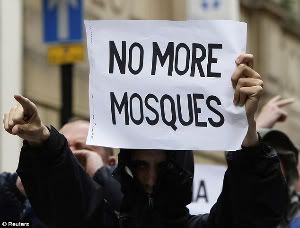
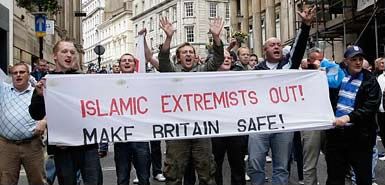
USA: No Mosque Welcome Here!


Hat tip: Bare Naked Islam >>>
Prince Andrew ‘Had Lockerbie Talks with Gaddafi’s Son’

MAIL ON SUNDAY: Claims that Prince Andrew held secret ‘detailed discussions’ over the release of the Lockerbie bomber with Colonel Gaddafi’s son were at the centre of a simmering diplomatic row last night.

Libyan officials yesterday claimed the Prince held off-the-record talks with Saif al-Islam Gaddafi days after Libya formally applied for convicted terrorist Abdelbaset Al Megrahi’s release.

But last night, despite the Libyan assertions, Buckingham Palace denied any meetings or discussions had taken place between the Prince and Mr Gaddafi on the issue.

The alleged Royal intervention in the controversial affair came while the Prince was on an official Foreign Office-sponsored trip to Algeria in May to open Britain’s new embassy in the country.

Libyan government officials say Colonel Gaddafi’s son – who would later give the terrorist a hero’s welcome on his return to Tripoli – made a special visit to Algiers to discuss the developments with the Prince, Britain’s special representative on trade and investment.

The pair are said to have become friends after Andrew made several official and unofficial trips to Libya. Mr Gaddafi has also been a guest at Windsor Castle.

The Prince’s formal role is to help secure trade and investment deals for Britain and he was in Algeria at the behest of the Foreign Office.

The involvement of the Prince would raise new questions about the deal done with Libya to free Megrahi, the man convicted of bombing Pan Am Flight 103.

But told of the Libyan claims the Prince had played a key role in the affair, Buckingham Palace last night issued a categoric denial.

A spokesman said: ‘We can categorically say that no meetings or discussions took place between the Duke of York and Mr Gaddafi in Algiers on any issue. The Duke has only met Mr Gaddafi on two occasions and was unaware they were in Algiers at the same time.’

He added: ‘It is categorically untrue that the Duke of York met Saif Gaddafi in Algeria.’ >>> Jason Lewis, Mail On Sunday Security Editor and Nabila Ramdani | Sunday, September 06, 2009
Affaire Bettencourt : Le procès débute sous haute tension – Joutes verbales entre avocats en guise d’échauffement

Photobucket
Liliane Bettencourt. Photo : Gala.fr

GALA.fr: François Meyers-Bettencourt attaque l’ami de sa mère François-Marie Banier pour «abus de faiblesse» de sa mère Liliane, âgée de 87 ans. Alors qu’il ne s’agit que de déterminer si la requête est recevable ou non, les avocats commencent l’audience sur les chapeaux de roue.

Affaire n° 13, jour 1. L’audience est dite de consignation, et son issue décidera de la nécessité ou non d’ouvrir un procès.

Les forces en présence: d’un côté, Françoise Meyers-Bettencourt, fille de Liliane, milliardaire, héritière du fondateur et principale actionnaire de l'Oréal, et dont la fortune est estimée à 17 milliards d’euros. En face d'elle: François-Marie Banier, photographe et ami de longue date de Liliane Bettencourt. La plaignante l’accuse en quelque sorte d’extorsion au détriment de madame Bettencourt.

Entre 2001 et 2007, Liliane aurait «dilapidé» environ 1 milliard d’euros en cadeaux divers, souscriptions de contrats d’assurance vie au profit du photographe, et autres versements. Elle a affirmé à plusieurs reprises qu’elle était en pleine possession de ses moyens au moment de contenter son ami. Un examen médical l'a d'ailleurs confirmé. : «Cela vient peut-être du fait que je m'entends bien avec François-Marie Banier. C'est un artiste, ça me motive» avait-elle déclaré au JDD en décembre 2008. >>> | Vendredi 04 Septembre 2009
Streit um US-Umweltpolitik: Obamas Berater für "grüne Jobs" tritt zurück

ZEIT ONLINE: Rückschlag für Obamas Umweltpolitik: Nach zahlreichen Attacken der Republikaner gegen seinen Berater Van Jones, räumt dieser seinen Beraterposten

Photobucket
Van Jones, Obamas Berater für "grüne Jobs", hat seinen Rücktritt erklärt. Bild: Zeit Online

Er war der Mann für die "grünen Jobs" in der Regierung Obama: Van Jones, Experte in ökologischen Wirtschaftsfragen und Gründer mehrerer gemeinnütziger Organisationen, die sich für Menschenrechte und Umweltschutz einsetzen. Nach andauernden Querelen um seine Person hat der Berater des Präsidenten nun seinen Rücktritt erklärt. "Ich kann nicht guten Gewissens meine Kollegen bitten, ihre kostbare Zeit und Energie dafür zu verwenden, meine Vergangenheit zu verteidigen", teilte Jones mit. Er sprach von einer "bösartigen Schmierenkampagne". Zu den Aufgaben des Beraters hatte vor allem die Vorbereitung zur Schaffung von Arbeitsplätzen in umweltfreundlichen Branchen gehört. >>> | Sonntag, 06. September 2009

CNN: White House adviser resigns amid 9/11 controversy >>> | Sunday, September 06, 2009
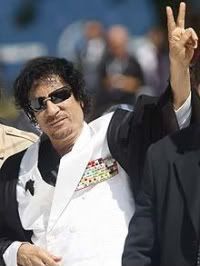
États-Unis : Le conseiller du président Obama pour l'environnement démissionne

LE POINT: Le conseiller spécial du président américain Barack Obama pour les questions de l'environnement a démissionné, sous la pression des républicains, après une controverse sur ses déclarations à propos du 11-Septembre, a annoncé dimanche le Washington Post . Van Jones, un ancien militant californien des droits civiques, travaillait depuis mars dernier auprès de la Maison-Blanche sur les problèmes de l'environnement. "Ma démission est effective à compter d'aujourd'hui", a-t-il déclaré au journal, tout en s'estimant victime d'une "campagne vicieuse de dénigrement". >>> Avec AFP | Dimanche 06 Septembre 2009

Van Jones Resigns

Watch AP video: Obama advisor resigns: President Barack Obama's adviser has resigned amid controversy over past inflammatory statements, the White House said early Sunday. >>> | Sunday, September 06, 2009
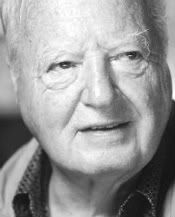
Israël: Obama regrette

leJDD.fr: Le président américain a fait savoir vendredi qu'il regrettait le projet israélien de construire de nouveaux logements dans les colonies de Cisjordanie.

Un conseiller de Benjamin Netanyahou a révélé vendredi matin que le Premier ministre israélien avait l'intention d'avaliser la construction de nouveaux logements dans les colonies juives de Cisjordanie et de Jérusalem-Est. "Plusieurs centaines", a-t-il précisé sous couvert d'anonymat.

Une annonce qui a provoqué l'ire de la Maison blanche. Depuis son entrée en fonction, l'administration de Barack Obama réclame en effet la cessation de toute activité de colonisation mais n'a arraché jusqu'à présent aucun engagement clair au chef du gouvernement israélien, qui est sous pression de son propre parti, le Likoud et de ses partenaires de gouvernement plus à droite encore. >>> Europe1.fr | Vendredi 04 Septembre 2009
Libya and Britain: The New Special Relationship

“Libya has genuinely become an important international partner for the UK on many levels. For example, Libya is now a vital partner for the UK in guaranteeing a secure energy future for the UK and is also a key partner in the fight against terrorism.

While I recognise that this will be of little comfort to you, it is vital for the UK’s present and future security that this continues.”
– Rammell at the Foreign Office to Ganesh on BP’s investment in Libya, November 2008


THE SUNDAY TIMES: At 7.01pm on February 9, 1996, a huge lorry bomb exploded at South Quay in London’s Docklands, killing two people and injuring more than 100 others. The blast ripped a 32ft crater and caused £85m of damage.

Jonathan Ganesh, 37, a security guard from east London, was buried alive in the rubble. His two friends, Inam Bashir and John Jeffries, were killed in the news kiosk where they worked.

For Ganesh, the blame for the attack lies not only with the IRA, which planted the bomb, but also with Libya, which is suspected of supplying the Semtex plastic explosive used in it. He is among the bomb victims and their families who want compensation from Tripoli.

“The government has let the Libyans off scot-free,” he said. “The money doesn’t bother me. But I can’t let my friends die like that. They were blown to pieces. They couldn’t even be identified.”

The compensation campaign involving 200 British victims has been frustrated to date by the government’s reluctance to support the case — even though Libya agreed to pay a small number of Americans who were victims of IRA terror attacks.

Ministerial letters obtained by The Sunday Times reveal this reluctance is partly explained by fears of jeopardising relations with the newly rehabilitated regime of Colonel Muammar Gadaffi. In a letter to the victims’ lawyers dated October 7, 2008, Gordon Brown wrote: “Libya would not support or be prepared to discuss a bilateral settlement of these cases and doing so would entail substantial risks.”

Another letter from Bill Rammell, then a Foreign Office minister, dated November 6, 2008, also says the government will not intervene in negotiations, explaining that Libya is a vital partner for a “secure energy future” and in the fight against terrorism.

The letters provide new damning evidence of the government’s eagerness to maintain good relations with Libya, in which trade appears to weigh more heavily on ministers’ minds than the plight of British victims of terrorism. >>> | Sunday, September 06, 2009
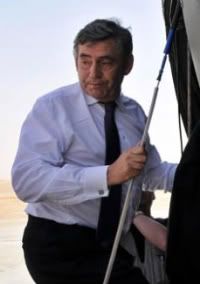
BNP Gets a Slot on BBC's Question Time

THE SUNDAY TIMES: THE BBC has provoked controversy by giving the British National party a platform for the first time on Question Time, its top current affairs programme.

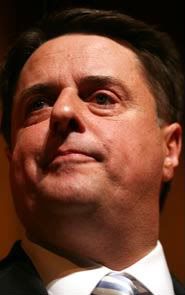
Nick Griffin, the BNP leader who was elected to the European parliament in June, is expected to be on the show in October. The corporation has decided that the far-right party deserves more airtime because it has demonstrated “electoral support at a national level”.

The move has caused consternation among politicians, with some Labour MPs and at least one cabinet minister pledging to boycott Question Time. They fear the BNP will use the publicity to promote a racist agenda.

The change in policy has also triggered dissent within the BBC. One senior correspondent, who did not want to be named, said: “It’s barmy ... Public servants can be sacked for membership of the BNP and yet the BBC wants to give them airtime with the main political parties.”

The BBC changed its position after the party won two seats at the European elections. Its share of the national vote at that poll was 6.2%. “They got across a threshold that has given them national representation and that fact will be reflected in the level of coverage they will be given,” said Ric Bailey, the BBC’s chief adviser on politics. “This is not a policy about the BNP. It’s a policy about impartiality.” >>> Marie Woolf, Whitehall Editor | Sunday, September 06, 2009
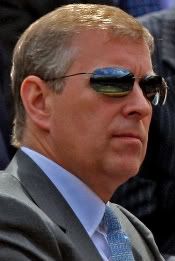
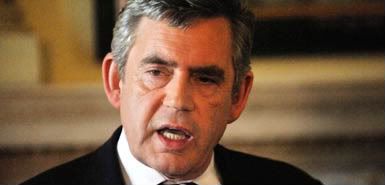
Gordon Brown Vetoes Libyan Payout to IRA Victims

Time to go, Gordon. The British don’t want you leading them any longer. You have brought enough shame on us already. We can’t take anymore. You were never elected to lead us, anyway. Oh, and by the way, it is seventy years now that the long-suffering Brits had to put up with Chamberlain. He went, eventually; and has a special place in world history – as the great appeaser. You, too, Gordon, will have a special place in world history. You’ll be known as the unelected Prime Minister who traded oil for justice, let down 270 innocent victims of the Lockerbie disaster, did shady deals with a tinpot dictator, and chose a ‘special relationship’ with Libya over our staunch friend and ally, the United States of America. – © Mark

THE SUNDAY TIMES: GORDON BROWN personally vetoed an attempt to force Colonel Muammar Gadaffi to compensate IRA bomb victims because it might have jeopardised British oil deals with Libya.

Documents passed to The Sunday Times reveal how the prime minister took a close interest in a campaign to secure payouts for the 2,500 families of those blown up by the Libyan-supplied Semtex explosive used by republican bombers.

However, Brown refused to help the victims because of government concerns that putting pressure on Gadaffi might lead to Libya withdrawing co-operation over trade and the war against Islamic terrorism.

The documents will cause embarrassment for Brown as he faces new questions over the early release of the convicted Lockerbie bomber Abdelbaset Ali Mohmed al-Megrahi.

In a further damaging twist, Jack Straw, the justice secretary, was last night accused by the Tories of misleading the public over the prime minister’s role in talks about the decision to free the terminally ill Libyan terrorist.

The Sunday Times has established that Straw wrote to Brown warning the Libyans might block a multi-million-pound BP oil deal unless the bomber was released. The disclosure contradicts remarks Straw made in a newspaper interview published yesterday in which he insisted there had been “no paper trail” to No 10.

Campaigners claim the official letters about IRA compensation highlight the government’s preoccupation with trading relations with Libya at the expense of bomb victims. >>> Jonathan Oliver, David Leppard and Hala Jaber in Tripoli | Sunday, September 06, 2009
In the Megrahi Affair, the More We Learn, the Worse It Gets

This sordid tale makes me feel ashamed to call myself British. I always knew that the British establishment stank; now, it is clear to me that it stinks to high heaven! – © Mark

THE TELEGRAPH: Telegraph view: The way the Lockerbie bomber gained his release brings shame upon Britain.

Abdelbaset Ali Mohmed al-Megrahi is the only person to have been convicted of planting the bomb that destroyed Pan Am Flight 103 over Lockerbie. Megrahi murdered 270 people, including 51 British citizens. His release from a Scottish jail has caused fresh pain to many of the relatives of those he killed. It has tarnished Britain's reputation abroad, because in spite of the fact that the Scottish Executive has insisted that it took the decision to free Megrahi on its own, there is increasing evidence, including the story we publish today, that the British Government had, at the very least, a powerfully influential role in the decision.

Across the world, there is little doubt that the British Government is perceived as responsible for the Megrahi affair. Diplomatic relations with America have been strained, because Britain has broken a promise given to the US government that the Libyan would not be released before he had served his minimum tariff of 20 years. Worse, Britain is now identified with a policy of preferring money to justice, and being prepared to sell criminals in exchange for trade deals and concessions. That sets an ominous precedent.

The Government is now making the case for Megrahi's release by insisting that contracts with Libya – including BP's £545 million deal involving exploration for new oil reserves in that country – depended on it: not in the sense that there was a formal agreement with Libya stating "we free Megrahi and you give us the oil deal", but in the sense of an informal understanding that the one gesture would be reciprocated by the other. Jack Straw has stated that Megrahi's release was also important to the war on terrorism: Libya's co-operation on intelligence matters required it.

The Government's argument has been greeted with horror in some quarters, on the grounds that justice should never be compromised, no matter how great the costs of holding rigorously to it. We do not accept that principle. There can be cases in which it is reasonable, when the national interest clashes with justice, to prefer protecting the former. The Government has dismally failed, however, to provide a persuasive argument that the release of Megrahi is one of those cases. The Libyan was responsible for one of the worst terrorist outrages perpetrated in peace-time. His guilt has been upheld by the numerous Scottish judges who examined the evidence. He was certainly not solely responsible. But the fact that he had accomplices, and that others ordered the explosion, does not lessen his culpability for it.

Even if it were true that the future of BP's contracts in Libya depended on Megrahi's repatriation, the heinousness of his crime would make most people pause before concluding that that was the correct path to take. The logic of the Government's case seems to be that £545 million, or whatever sum shall eventually be gained from the deals with Libya, covers the murder of 270 people: the money is enough to forgive and forget the crime. >>> Telegraph view | Saturday, September 05, 2009
Revealed: Libya Paid for Medical Advice that Helped Lockerbie Bomber's Release

“It showed the relations between Britain and Libya are strong and deep. We in Libya appreciate this and Britain will find it is rewarded.” – Abdul Majeed al-Dursi, chief spokesman for the régime

THE TELEGRAPH: The British, Scottish and Libyan governments connived to free Abdelbaset Ali Mohmed al-Megrahi on compassionate grounds The Sunday Telegraph can disclose.

Photobucket
Gordon Brown meets Libyan leader Muammar Gaddafi. Photo: The Telegraph

Medical evidence that helped Megrahi, 57, to be released was paid for by the Libyan government, which encouraged three doctors to say he had only three months to live.

The life expectancy of Megrahi was crucial because, under Scottish rules, prisoners can be freed on compassionate grounds only if they are considered to have this amount of time, or less, to live.

Megrahi is suffering from terminal prostate cancer. Two of the three doctors commissioned by the Libyans provided the required three-month estimates, while the third also indicated that the prisoner had a short time to live.

This contrasted with findings of doctors in June and July who had concluded that Megrahi had up to 10 months to live, which would have prevented his release.

Professor Karol Sikora, one of the examining doctors and the medical director of CancerPartnersUK in London, told The Sunday Telegraph: “The figure of three months was suggested as being helpful [by the Libyans].

“To start with I said it was impossible to do that [give a three-month life expectancy estimate] but, when I looked at it, it looked as though it could be done – you could actually say that.” He said that he and a second doctor, a Libyan, had legitimately then estimated Megrahi’s life expectancy as “about three months”. A third doctor would say only that he had a short time to live.

This weekend it was reported that Megrahi was moved out of an emergency care unit in Tripoli.

The prognosis from the three doctors – two from Britain – was used as part of the evidence by Kenny MacAskill, the Scottish Justice Secretary, last month when he concluded that Megrahi should be released on compassionate grounds. Our investigation also reveals that:

Mousa Kousa, a senior Libyan politician who was expelled from Britain in 1980 for boasting of a plot to kill Libyan dissidents in London, played a key role in the talks to free Megrahi, and threatened serious consequences if the prisoner died in jail. Mr Kousa, now the Libyan foreign minister, was once implicated in planning the Lockerbie bombing – a claim he vehemently denies. According to the minutes of a meeting on Jan 22 between Libyan and Scottish officials: “Mr Kousa stated that Mr al-Megrahi’s death in Scotland would not be viewed well by the Muslims or Arabs. Nor would it be good for relations.” >>> Andrew Alderson, Chief Reporter, Robert Mendick and Damien McElroy in Tripoli, with additional reporting by Leonard Doyle in Washington | Saturday, September 05, 2009

Saturday, September 05, 2009

Anti-fascists Clash with Right-wing Protesters in Birmingham

MAIL ONLINE: There were angry clashes in a city centre today as right-wing protesters fought with anti-fascist campaigners in a busy shopping street.

A planned demonstration by The English Defence League in central Birmingham descended into violence as the group charged along New Street, close to the city's main train station.

More than 20 men have been arrested.

'There were about 250 people in total, fighting and throwing bottles at each other,' one onlooker said.

The disorder spilled onto the adjoining Bennetts Hill, a street lined with a number of pubs, popular with shoppers.

Dozens of riot police worked to contain the disturbance and a police helicopter hovered overhead.

A police spokeswoman said there had been 'pockets' of trouble. West Midlands Police said it would deal with anti-social behaviour or criminal activity connected to the protests 'robustly' after a demonstration last month turned violent. >>> | Saturday, September 05, 2009
Binyamin Netanyahu Pushes Barack Obama into a Corner with Settlement Plan

TIMES ONLINE: Israel’s plans to have one last burst of settlement building in the West Bank before agreeing to a temporary, partial freeze is a slap in the face to the Obama Administration and a warning to the Palestinians that it intends to fight for every inch of land.

Binyamin Netanyahu’s refusal to include east Jerusalem — captured in the Six Day War — in any future settlement freeze suggests that Israel is trying to push the Palestinians into a checkmate situation.

The Palestinians demand east Jerusalem, still predominantly populated by Palestinians, as their future capital. An expansion of settlements ringing the city could cut it off from the Palestinian hinterland and slice the West Bank in two.

From the outset relations between the Netanyahu and Obama administrations have been testy. The new Israeli Government was at first shocked by Washington’s insistence on a total settlement freeze — something that has never happened in 16 years of peace negotiations, during which the Jewish communities in the West Bank have grown inexorably.

Israel has tried to persuade Washington to allow “natural growth” in the settlements, where about 300,000 people live in neat, red-tiled villas perched on strategic hilltops across the West Bank, known to Israelis as Judea and Samaria. When that failed it tried to rebrand “natural growth” as “normal life” but the Americans still refused. The latest announcement puts Washington in a difficult position — >>> James Hider: Analysis | Saturday, September 05, 2009
Die Schweiz am Gängelband Gadhafis

DIE PRESSE: Libyens Diktator treibt seit Juli 2008 ein böses Spiel mit der Schweiz und hält zwei Geschäftsleute seit mittlerweile 414 Tagen als Geiseln fest. Der Zorn der Eidgenossen über die Demütigungen wächst.

Seit mittlerweile 414 Tagen sitzen zwei Schweizer Geschäftsleute in Libyen fest. Und nichts deutet darauf hin, dass sich der bizarre Wüstendiktator Muammar al-Gadhafi dazu erweichen lassen könnte, seine beiden Geiseln zurück in ihre Heimat zu lassen. Im Gegenteil: Gadhafi spielt weiter Katz und Maus mit der Schweiz, er beleidigt die Eidgenossen als „Weltmafia“ oder „Verbrecherkartell“ und will vor der UNO gar die Auflösung der Schweiz erreichen.

Dort aber werden Wut und Zorn über die ständigen Demütigungen aus Tripolis immer größer. Die rechte Partei „Liga der Tessiner“ forderte jetzt gar, Libyen den Krieg zu erklären und die festgehaltenen Landsleute mit Waffengewalt zu befreien. Und in Genf fanden am Freitag die ersten Solidaritätskundgebungen für die beiden Schweizer Geschäftsleute statt.

Am Ufer des Genfer Sees. Dort, in Genf, hat Anfang Juli 2008 alles begonnen. Im Luxushotel „President Wilson“ stiegen illustre Gäste ab: der Sohn von Libyens Staatschef Gadhafi, Hannibal, seine hochschwangere Frau Aline, der dreijährige Sohn samt Gefolge. Die Familie belegte mehrere Suiten in der Nobelherberge direkt am Ufer des Genfer Sees, um dort die Zeit bis zur Geburt des Kindes zu verbringen. Wenige Tage später erhielt die Genfer Polizei einen verzweifelten Telefonanruf aus dem Hotel: Zwei Hausangestellte der Gadhafis berichteten von schweren Misshandlungen durch ihre Dienstgeber. Sie seien geschlagen, getreten und mit heißem Wasser verbrüht worden.

Kurz darauf stürmten rund 20 Polizisten mit vorgehaltener Waffe die Luxussuite des Ehepaars Gadhafi. Hannibal wurde in Handschellen abgeführt, seine schwangere Frau unter Polizeischutz ins Spital gebracht. Das Ehepaar bestreitet die Misshandlungsvorwürfe vehement und behauptet, die Bediensteten hätten die Übergriffe erfunden, um in der Schweiz Asyl zu erhalten.

„Aug und Aug, Zahn um Zahn“. Doch die Genfer Justiz erließ einen Haftbefehl gegen die Gadhafis. Erst nach der Bezahlung einer Kaution von einer halben Million Schweizer Franken wurden Hannibal und Aline freigelassen. Schwer gekränkt, schworen die Gadhafis Rache: Und zwar „Aug um Aug, Zahn um Zahn“, drohte Hannibals Schwester Aischa, bevor die Familie die Schweiz – wohl für immer – verließ.

Was dieser biblische Ausspruch einer in ihrer Ehre verletzten arabischen Herrscherfamilie bedeutet, muss die Schweiz seither bitter erfahren. Gadhafi ließ Büros Schweizer Firmen in Libyen schließen und die Swiss nicht mehr nach Tripolis fliegen. Später stoppte er die Öllieferungen in die Schweiz und transferierte sein auf helvetischen Konten liegendes Milliardenvermögen ins Ausland. >>> Von Carola Schneider | Samstag, 05. September 2009

Schweiz: Rechte Partei will Libyen Krieg erklären

DIE PRESSE: Ein 22-jähriger Abgeordneter des Tessiner Großrates verlangt einen Angriff, um zwei inhaftierte Geschäftsleute zu befreien. Damit würden die Rechte und die Ehre der Schweiz gewahrt.

Im Konflikt zwischen der Schweiz und Libyen ist jetzt die rechte Partei Lega dei Ticinesi (Liga der Tessiner) so weit gegangen, einen Krieg zu fordern. Die Schweiz solle Libyen den Krieg erklären. Die seit über einem Jahr in Tripolis festgehaltenen Schweizer Geschäftsleute müssten mit Waffengewalt befreit werden, erklärte der Lega-Politiker Boris Bignasca, Mitglied des Tessiner Großrates (Kantonsparlament), in einer Resolution.

Bignasca, der 22-jährige Sohn des Lega-Parteichefs Giuliano Bignasca, verlangt von den Tessiner Behörden, dass sie sich vor der aus beiden Parlamentskammern bestehende Bundesversammlung für diese "außergewöhnliche, aber unausweichliche Initiative" stark machen. Die Schweizer müssten die Risiken und Opfer eines bewaffneten Konflikts mit Entschlossenheit angehen. Schweizer Soldaten könnten in einer Blitzaktion die festgehaltenen Geiseln befreien. Damit würden die Rechte, Interessen und nicht zuletzt auch die Ehre der Schweiz gewahrt.

Die Schweiz dürfe sich nicht gefallen lassen, dass der "Tyrann Gaddafi" die Aufteilung der Schweiz an die Nachbarländer Deutschland, Frankreich und Italien fordere und somit die Souveränität des Landes angreife. Bignasca hofft, dass das Tessiner Kantonsparlament die Resolution noch im September behandeln wird, wie er am Freitagabend gegenüber dem Lokalsender "TeleTicino" sagte. Nervenkrieg um Geschäftsleute >>> Ag. | Samstag, 05. September 2009

Hotel President Wilson >>>
Frankreich: Morddrohung an Sarkozy – Elf Personen verhaftet

WELT ONLINE: Nach anonymen Todesdrohungen gegen Staatspräsident Nicolas Sarkozy und andere französische Politiker sind im Süden Frankreichs elf Verdächtige festgenommen worden. Die Drohbriefe mit Gewehrkugeln waren in den vergangenen Monaten aus der Nähe von Montpellier abgeschickt worden.

Photobucket
Frankreichs Präsident Nicolas Sarkozy. Bild: Welt Online

Die französische Polizei hat Justizkreisen zufolge elf Personen wegen Morddrohungen an Frankreichs Präsidenten Nicolas Sarkozy verhaftet. Es handelt sich um Ladenbesitzer, Ex-Soldaten und Mitglieder eines Schützenvereins in der Nähe von Montpellier im Südwesten des Landes. Wie ein Justizsprecher bestätigte, wurden die Personen im Département Hérault im Süden des Landes aufgegriffen.

Neben Sarkozy erhielten zwei Minister, der Bürgermeister von Bordeaux und andere Mitte-Rechts-Politiker erstmals im März Briefe mit Kugeln. Seitdem tauchten sporadisch weitere Morddrohungen in den Posträumen von Politikern auf. Der letzte an Sarkozy adressierte Brief wurde im August von einem Postbeamten in Montpellier abgefangen. Bei Durchsuchungen der Wohnungen der Verdächtigen sind Polizeikreisen zufolge aber zunächst keine belastbaren Beweise sichergestellt worden. >>> Reuters/AP/AFP/fas | Freitag, 04. September 2009
Sarkozy et Abbas dénoncent la colonisation israélienne

Photobucket
Nicolas Sarkozy, qui considère une relance rapide des pourparlers de paix comme l'une de ses priorités diplomatiques, s'est entretenu avec son homologue palestinien, vendredi à l'Élysée. Crédits photo : Le Figaro

LE FIGARO: Le rendez-vous entre le président de l'Autorité palestinienne et Nicolas Sarkozy, vendredi à l'Élysée, s'est déroulé sous la pression des dernières déclarations israéliennes.

C'est peu dire que la rencontre entre Mahmoud Abbas et Nicolas Sarkozy, vendredi à l'Élysée, s'est déroulée dans un contexte de pessimisme. L'annonce, le jour même, par les Israéliens de leur intention de donner un coup d'accélérateur à la colonisation en Cisjordanie avant tout gel partiel touche en effet le problème crucial sur la route d'une improbable relance de pourparlers de paix israélo-palestiniens. «Ce n'est pas acceptable. Nous voulons un gel de la colonisation et également le lancement des négociations de la phase finale», a réagi Mahmoud Abbas à l'issue de sa discussion d'environ une heure avec le président de la République. Cette étape parisienne, souhaitée par le président palestinien, s'inscrivait dans les préparatifs de l'Assemblée générale de l'ONU qui débutera dans quelques jours. À cette occasion, il serait question d'une rencontre organisée à New York entre le dirigeant palestinien et le premier ministre israélien. Mais vendredi, Mahmoud Abbas a été clair en indiquant qu'une éventuelle rencontre «dépendra des pas, des mesures qui l'auront précédée concernant le gel de la colonisation». Le principal négociateur palestinien Saëb Erakat a, pour sa part, jugé «totalement inacceptable» le projet israélien d'extension des colonies juives. «La seule chose qui sera suspendue après ces annonces, c'est le processus de paix», a-t-il ajouté.

Paris a également condamné «sans aucune ambiguïté» l'accélération de la colonisation israélienne. Lors de l'entretien avec son homologue palestinien, Nicolas Sarkozy a «souligné qu'il était déterminant, pour permettre la reprise du processus de paix, que cessent les activités de colonisation ainsi que le demande l'ensemble de la communauté internationale», selon un communiqué de l'Élysée. Obama attendu à l'ONU >>> Alain Barluet | Vendredi 04 Septembre 2009
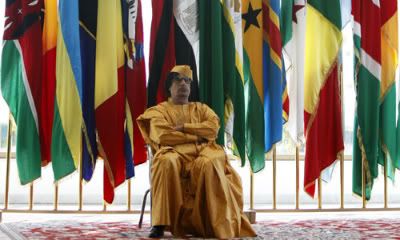
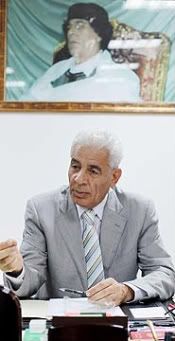
Libyan Foreign Minister, Musa Kasa, Defends UK Government Over Lockerbie

So, the day has come when Libya now has to defend the United Kingdom against its American critics!

Gordon Brown and his merry band of crooks have severed our once glorious special relationship with the US and traded it in for a ‘special relationship’ with a tinpot dictator! Why? Because there’s money to be made. Oil money. Big money.

Not only is this as absurd as it is dangerous, but it also signifies a significant shift towards the realisation of Eurabia. Remember this: Gaddafi has made no secret of the fact that he wants Islam to take over Europe. Alas, we have got into bed with vipers! And Gordon Brown and his profiteering cronies have fallen for the ruse hook, line, and sinker!
– © Mark


TIMES ONLINE: A top Libyan official once expelled from Britain for plotting the deaths of exiled dissidents rode to the defence of the British Government over Lockerbie yesterday.

In one of the few interviews he has given, Musa Kusa, the Libyan Foreign Minister and long-time member of Colonel Muammar Gaddafi’s inner circle, told The Times that he was astonished by the controversy over the release of Abdul Baset Ali al-Megrahi, the Lockerbie bomber.

“Where is the human rights, the compassion and mercy? The man is on the verge of death,” Mr Kusa said in a midnight conversation in his plush, chilled office in the centre of baking Tripoli.

He flatly denied any link between al-Megrahi’s release and British commercial interests in his oil-rich state and said that Libya was grateful to the British and Scottish governments for their humanity. “You should not do an injustice to the British Government. It was nothing to do with trade,” he said. “If we wished to bargain we would have done it a long time ago.”

Mr Musa, likewise, said that the row over al-Megrahi’s rapturous reception at Tripoli airport was the result of a cultural misunderstanding: such greetings were a Libyan custom. “I can’t say to [al-Megrahi’s] friends and tribe, ‘Don’t go there’,” he said. Not one Libyan official went to the airport, he added, and the reception was, by Libyan standards, “low key”.

He emphasised that Libya was eager to strengthen its relationship with Britain despite the present friction.

Mr Kusa, the Libyan foreign intelligence chief for 15 years before becoming Foreign Minister, is the embodiment of his country’s transition from rogue state to something approaching international respectability.

In 1980, when he was head of the Libyan diplomatic mission in London, he was expelled from Britain for allegedly organising the killing of exiled opponents of Colonel Gaddafi’s regime. In later years he was accused of complicity in the 1998 Lockerbie bombing, the destruction of a French airliner over Niger in 1989, the Berlin disco bombing that led to the US bombing of Tripoli in 1986 and much else besides. He was high on the British and US terrorism blacklists.

Today Mr Kusa is received at the highest levels in London and Washington. He negotiated the conditions of Libya’s $2.7 billion compensation payment to families of the Lockerbie victims. In the refined surroundings of the Travellers Club in Pall Mall, he negotiated the dismantling of Libyan weapons of mass destruction. He co-operates with British and American intelligence agencies in their fight against a mutual enemy — Islamic terrorism. >>> Martin Fletcher in Tripoli | Saturday, September 05, 2009