Sunday, May 09, 2010

Tories and Labour Battle for Nick Clegg's Support

MIRROR: Tories say no deal will be struck before tomorrow

Gordon Brown and David Cameron battled for Nick Clegg’s support last night by offering him up to SIX seats in the Cabinet.

The extraordinary bidding war was revealed as the Tories continued to try to cut a deal with the Lib Dems to allow Mr Cameron to become PM.

He desperately needs the support of their MPs to get past the magic number of 326 needed for a ­majority in the House of Commons.

Last night Tory sources said there would be no deal before tomorrow, despite fears of fresh falls in the finance markets when they reopen.

And Mr Clegg’s ­closest allies warned the Tory refusal to give in to their key demand of a referendum on Britain’s voting system was proving a “major roadblock” to any chance of a power-sharing deal.

Earlier, the party leaders put aside their differences to appear side-by-side at a ceremony to mark the 65th ­anniversary of VE Day at the Cenotaph in Whitehall. >>> Vincent Moss, Political Editor | Sunday, May 09, 2010
Londres refuse de participer au Fonds d'urgence européen

LE FIGARO: La Grande-Bretagne a indiqué dimanche ne pas vouloir participer au Fonds d'urgence envisagé pour aider les pays de la zone euro en difficulté.

La Grande-Bretagne refuse de participer, en y apportant sa garantie, au Fonds d'urgence envisagé pour aider les pays de la zone euro en difficulté, a indiqué dimanche le ministre des Finances britanniques. «Je pense qu'il est important que nous fassions tout ce que nous pouvons faire pour stabiliser les marchés... Soyons très, très clairs: s'il y a une proposition afin de créer un fonds de stabilisation pour l'euro, cela doit être du ressort des pays de l'Eurogroupe», a déclaré le ministre, interrogé depuis Bruxelles par la chaîne d'information continue britannique Sky News.

L'idée de départ était que la Commission européenne puisse emprunter en bénéficiant de la garantie de tous les pays de l'Union européenne, y compris ceux comme la Grande-Bretagne qui n'utilisent pas l'euro, puisqu'il s'agit d'un mécanisme de l'UE, selon des sources diplomatiques. Dans cette perspective, la Suède s'est dite prête à participer au Fonds, même si elle ne fait pas partie de la zone euro, a déclaré en début d'après-midi son ministre des Finances. >>> Par lefigaro.fr | Dimanche 09 Mai 2010

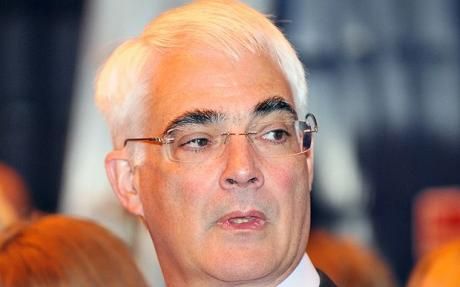
THE GUARDIAN: Alistair Darling rules out British support for euro: Chancellor says that responsibility for propping up single currency must be limited to eurozone countries >>> Zoe Wood | Sunday, May 09, 2010
Labour MP Says Brown Must Quit Leadership

The Country Must Come First, Not Party Politics

THE SUNDAY TELEGRAPH – Editorial: For the sake of the nation, a deal should be struck, and quickly.

Photobucket
Nick Clegg and David Cameron face pressure to work out an accord swiftly. Photograph: The Sunday Telegraph

The ideal outcome from last week’s election, as we argued forcefully in these pages, would have been a government – preferably a Conservative government – with the mandate and majority needed to tackle the urgent problems that this country faces. We stressed that the haggling and uncertainty that accompany a hung parliament would make it all but impossible to restore the public finances to order, get a grip on immigration, reform the education system, and much else besides. Yet the absence of a strong government is about to cost us extremely dear in another way, too.

As we report today, Nicolas Sarkozy, the French president, has persuaded other members of the eurozone that they can interpret a clause in the Lisbon Treaty so as to force every country belonging to the EU to contribute unspecified, and potentially unlimited, sums to bailing out insolvent members of the eurozone. It means that to keep the single currency going, in the event of future Greek-style collapses, Britain will have to write a blank cheque.

This cynical, underhand and anti-democratic move has been prompted by the stresses that the colossal budget deficits of the weaker members of the euro – Greece, Portugal, Ireland, Spain, Italy – have placed on the currency itself. Last week, France and Germany agreed that Greece should receive an emergency loan of 110 billion euros. The injection of cash is at most a stay of execution, not a solution to the problem, whose root cause is that Greece, being in the euro, cannot devalue its currency and so cannot make its exports competitive, and thereby earn the money it needs to repay its debts. The obvious solution is for Greece to leave the euro. But that would be a humiliation for Europe’s politicians and bureaucrats, for it would show that the fundamental objection to it – that it could not be viable across countries that are at such different levels of economic development ­– is correct. So, instead, they have decided that in future all the other members of the EU, including Britain, will foot the bill. >>> Telegraph View | Sunday, May 09, 2010
Nick Clegg: Wary Lib Dems Add to Pressure Over Deal with Tories

THE OBSERVER: The leader of the Liberal Democrats is playing high-stakes poker as both Tories and Labour try to woo him with offers of electoral reform and cabinet seats

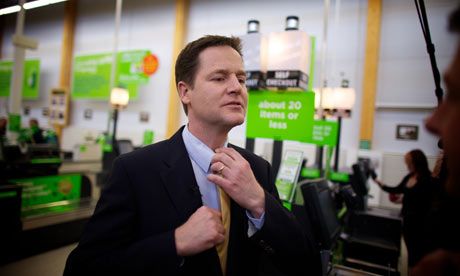
As he was bundled through a baying press pack into a car waiting to speed him to yesterday's VE Day celebrations at the Cenotaph, Nick Clegg effected a physical transformation.

He was still the smart, political tyro who had shaken up the two-party system. He still looked like a man who had broken the mould: a pristine suit clashing with the jeans and anoraks of the camera crews huddled in the rain reinforced the image of a political big hitter.

But gone was the boyish, affable face of the centre left. Instead, here was someone different: steelier, tight-lipped, stern. Clegg is a man playing high-stakes Texas Hold 'Em. He knows he can win, but inside he is desperately trying to calculate the strength of his hand.

His authority has certainly been diminished by Thursday's disappointing performance at the polls that only a week earlier had promised so much.

But he can still be kingmaker – for either side. >>> Jamie Doward and Cal Flyn | Saturday, May 08, 2010
The Language Divide at the Heart of a Split That Is Tearing Belgium Apart

THE OBSERVER: Belgium doesn't exist, only Flanders and Wallonia as Dutch and French communites live apart. By Ian Traynor in Brussels

Twenty minutes north of Brussels, in Belgium's medieval royal seat of Mechelen, there's a science playground, just the place for the kids on a boring, wet Sunday afternoon.

Technopolis is stuffed with interactive gadgets and games, making education fun. There is also another message. When entering the complex, the paving stones are inscribed with a simple, direct statement. The message is in Dutch only, the language of Flanders, the bigger northern half of the country. You are told the size of Flanders in square kilometres and its population density.

There is no mention of Belgium. That does not exist. You are in a country called Flanders. That does not exist either, but if many of the politicians running this divided society get their way it is only a matter of time.

"Long live free Flanders, may Belgium die" was the battle cry ringing out in Belgium's federal parliament on Thursday as the 150 elected deputies cleared their desks and returned home to prepare to fight an early election next month, triggered by the latest collapse of the national government.

Following the last election in 2007, Belgium went without a government for six months because of the divisions and squabbling between Dutch-speaking Flanders to the north and French-speaking Wallonia in the south. Three years later, the same conflict has brought down the government again.

In most countries of western Europe, the third prime ministerial resignation in three years would be cause for alarm. In Belgium, the latest resignation – of Yves Leterme, the Christian Democrat prime minister – after only five months has instead been greeted with shrugs of indifference and expressions of relief.

"We are incredibly lucky to be here; this is one of the luckiest countries in the world," says a senior government official. "We are very successful." Which is true in many respects. But the political class running this wealthy state of 10.5 million people gives a very good impression of caring little for a country called Belgium.

"I'm Flemish, not Belgian," says Willy De Waele, mayor of the small Flemish town of Lennik, just south of Brussels. "There's no loyalty to a country called Belgium. There has never been a country that has lasted so long in conditions like this." >>> Ian Traynor | Sunday, May 09, 2010
”The 99” – Muslim Superheroes

Jordanian Students Speak Out

The Cost of a Kiss

MAIL ON SUNDAY: A British woman jailed in Dubai for kissing a man on the cheek has spoken for the first time of her nightmare ordeal in prison.

Charlotte Adams, 26, was deported on Friday after spending 23 days locked up alongside prostitutes and murderers for ‘indecency’.

A local woman claimed she saw Charlotte openly kiss and touch Londoner Ayman Najafi in a restaurant.

The harsh sentence may have been intended to send a warning to the Britons who flock to the five-star beach resorts of an emirate which styles itself as a playground for the jet-set – yet has laws that penalise any deviation from Islam.

In 2008, a British couple found having sex on a Dubai beach were, on appeal, given only a three-month suspended sentence.

Charlotte’s ‘crime’ means she is now banned from Dubai and the United Arab Emirates.

But as her plane took off for Britain on Friday, she said: ‘It is such a relief. I’ve thought of nothing else for the last few months.

‘I love this place and it makes me sad that I’ll never come back, although I think I’d struggle to ever feel free here again.

'But the laws need to evolve to match the culture here. At the moment, it’s all just hypocrisy.’ I was in prison with some prostitutes and a Russian woman who chopped up her boyfriend: Dubai 'kiss' girl reveals price she paid >>> Jo MacFarlane | Sunday, May 09, 2010
Macedonia’s Forgotten Gem


Invest in Macedonia >>>
Greek Debt Woes Ripple Outward, From Asia to U.S.

THE NEW YORK TIMES: The fear that began in Athens, raced through Europe and finally shook the stock market in the United States is now affecting the broader global economy, from the ability of Asian corporations to raise money to the outlook for money-market funds where American savers park their cash.

What was once a local worry about the debt burden of one of Europe’s smallest economies has quickly gone global. Already, jittery investors have forced Brazil to scale back bond sales as interest rates soared and caused currencies in Asia like the Korean won to weaken. Ten companies around the world that had planned to issue stock delayed their offerings, the most in a single week since October 2008.

The increased global anxiety threatens to slow the recovery in the United States, where job growth has finally picked up after the deepest recession since the Great Depression. It could also inhibit consumer spending as stock portfolios shrink and loans are harder to come by. >>> Nelson D. Schwartz and Eric Dash | Saturday, May 08, 2010
Alistair Darling Trapped in Euro Deal

THE TELEGRAPH: Alistair Darling has agreed to consult directly with George Osborne and Vince Cable as European leaders looked poised to push through a new multi-billion pound bail-out fund part-financed by British taxpayers.

Mr Darling, who is still officially Chancellor of the Exchequer, will represent Britain at an extraordinary meeting of European finance ministers in Brussels today, slated to adopt far-reaching new powers for the Commission and its fellow bodies.

The meeting is the first major policy test for the hung parliament, coming with Britain in limbo between two governments. In a sign of the highly unusual nature of the situation, the Chancellor has privately committed to consulting before the meeting with his counterparts in the Conservatives and Liberal Democrats.

However, despite the likelihood that Labour will be ejected from Downing Street imminently, Mr Darling will have the final say over Britain's vote on participation in the new scheme.

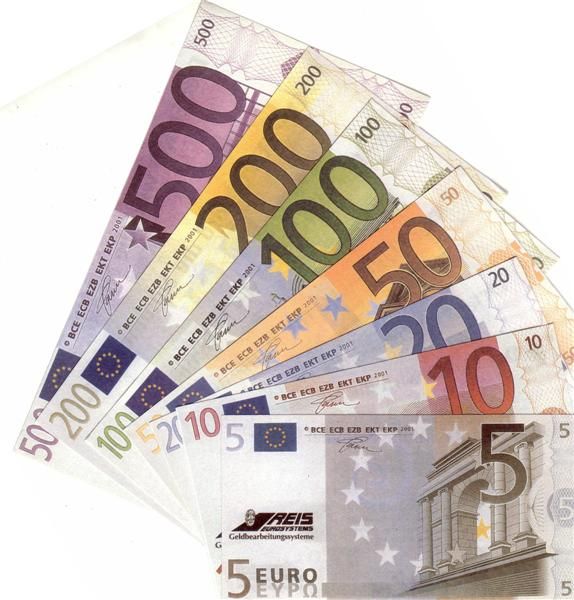
The proposal, tabled by Nicolas Sarkozy in an emergency meeting late on Friday night, will involve the creation of a €60bn "European stabilisation mechanism" designed to provide bail-out support for countries which may face similar strain to Greece in the coming months.

It is thought to be focused particularly on Spain and Portugal, both of whose leaders fear an assault by "bond vigilantes" in the market who have scented weakness within the eurozone. The plan will have fiscal implication for all European Union countries, including the UK. The key element is an extension of an existing bail-out package, already used to support Hungary and Latvia. >>> Edmund Conway and Bruno Waterfield | Saturday, May 08, 2010
Expats Fear the Arrival of Spain's Fast-track Demolition

THE TELEGRAPH: Britons living in Spain have been warned that some face "express demolition" of their houses under a tough new law announced by the regional government of Andalusia.

Owners of homes which are retrospectively judged to have fallen foul of regional planning rules can now be given just one month's notice that council bulldozers are being sent in, as part of a crackdown on excessive development in one of Spain's most popular regions.

Thousands of homes that were bought or built in good faith across the area are at risk since the regional authority began reviewing local councils' planning approvals - and concluded that in many cases, permission to build should never have been granted.

The threat of sending in bulldozers at short notice has horrified the estimated 5,000 Britons with properties in the hillsides of Almanzora, one of the worst affected areas 60 miles north of the coastal city of Almeria in southern Spain.

Hundreds of properties have already been served with demolition orders, but most homeowners had not felt under immediate threat because of Spain's slow-moving legal system. They believe that the fast-track demolition orders will change that.

"The fast-track orders could speed up the legal process and hasten demolitions," said Maura Hillen, who organised a mass rally against them in Malaga. To add insult to injury, after a demolition the victim would have to pay the municipality for the bulldozer. >>> Nick Meo in Costa Almeria and Fergal MacErlean | Sunday, May 09, 2010

Union Européenne : La gouvernance économique, nouvel impératif européen

Photobucket
L’heure est grave pour le Comité des sages présidé par Felipe Gonzalez. Photo : Le Temps

LE TEMPS: Climat maussade pour la fête de l’Europe qui coïncide ce 8 mai, avec le 60e anniversaire de la déclaration de Robert Schuman. Le Conseil des ministres des Finances de l’UE doivent adopter dimanche à Bruxelles une série de mesures urgentes pour contrer la fièvre spéculative. Une nécessité également soulevée avec force dans le rapport « Europe 2030 » qu’ a rendu ce samedi le « Comité des sages » présidé par l’ancien premier ministre espagnol Felipe Gonzales.

La tempête boursière de ces derniers jours l’a rendue incontournable. Une nouvelle gouvernance économique de l’Union européenne, centrée autour d’un « mécanisme de stabilisation » pour venir en aide aux pays en difficulté de la zone euro, est désormais l’horizon imposé pour les Vingt-Sept, dont les ministres des Finances se réunissent en urgence dimanche soir à Bruxelles. >>> Richard Werly, Bruxelles | Samedi 08 Mai 2010

WIKI: Felipe González >>>
Dignitas missachtet letzten Willen einer Verstorbenen: Die Organisation bestattete eine 81-Jährige Frau gegen ihren Wunsch im Zürichsee

NZZ ONLINE: Dignitas hat menschliche Asche im Zürichsee versenkt – auch jene einer Frau, die eigentlich eine Friedhofbestattung wollte.

Vor knapp drei Wochen entdeckten Taucher 35 Urnen mit menschlicher Asche im Zürichsee. Der Fund provozierte Spekulationen über regelmässige Seebestattungen der Sterbehilfeorganisation Dignitas. Jetzt lässt sich nachweisen, dass die Organisation tatsächlich Asche von Verstorbenen in den See geworfen hatte. >>> Andreas Schmid | Sonntag, 09. Mai 2010
Euro-Krise: Portugal verspricht noch härteren Sparkurs

WELT ONLINE: Die sozialistische Minderheitsregierung in Portugal will noch mehr sparen und zwei große Infrastruktur-programme auf Eis legen: den Bau eines neuen internationalen Flughafenssowie eine Brücke. Das kündigte ein portugiesischer Regierungsmitarbeiter an. So soll das Haushaltsdefizit in diesem Jahr auf 7,3 Prozent verringert werden.

Angesichts der Sorge vor einer Ausbreitung der Schuldenkrise in Europa hat Portugal den Euro-Partnern versprochen, sein Haushaltsdefizit in diesem Jahr noch stärker zu bekämpfen. Ministerpräsident Jose Socrates habe am Freitagabend auf dem Euro-Sondergipfel in Brüssel angekündigt, seine sozialistische Minderheitsregierung werde noch mehr sparen und zwei große Infrastrukturprogramme auf Eis legen, sagte ein portugiesischer Regierungsmitarbeiter. Dadurch solle das Haushaltsdefizit in diesem Jahr auf 7,3 Prozent verringert werden. Bisher war das Ziel eine Reduzierung des Defizits auf 8,3 Prozent von 9,4 Prozent im vergangenen Jahr. >>> Reuters/cl | Samstag, 08. Mai 2010
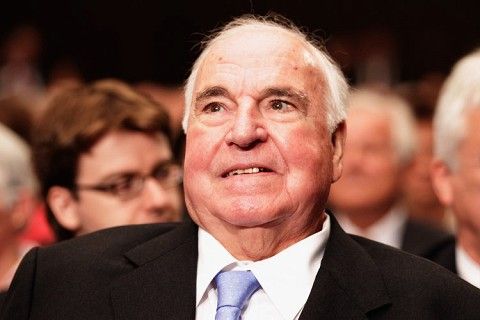
Helmut Kohl: Warum wir Griechenland helfen müssen

WELT ONLINE: Für Altbundeskanzler Helmut Kohl steht außer Frage, Griechenland zu helfen. Schließlich gehe es um den Zusammenhalt Europas und das Fundament für eine stabile, erfolgreiche Zukunft. Auf WELT ONLINE schreibt er, wer Griechenland heute Beistand verweigere, versage vor den nachfolgenden Generationen.

Es ist gar keine Frage, dass wir in der aktuellen Krise Griechenland nicht allein lassen dürfen, sondern dass wir in Europa unserem Partner Griechenland solidarisch helfen müssen. Das liegt auch in unserem wohlverstandenen deutschen Eigeninteresse.

Wir müssen gerade in der aktuellen Krise bedenken, was das gefestigte Haus Europa und der Euro für uns alle, für Deutschland, für den Kontinent und für die ganze Welt bedeuten.

Mit anderen Worten: Wer Griechenland heute Beistand und Hilfe versagt, versagt vor der Welt und den nachfolgenden Generationen, denn er gefährdet das Haus Europa in seinen Grundfesten.

Das gefestigte Haus Europa kann uns nicht gleichgültig sein, denn es ist unsere Zukunft. Das dürfen wir nie vergessen. Wer wie ich den Krieg als junger Mensch mit all seinen Schrecken und seiner Not erlebt hat, kann aus eigener Erfahrung ermessen, welchen Wert das geeinte Europa für Frieden und Freiheit hat. >>> Dr. Helmut Kohl | Samstag, 08. Mai 2010

In der aktuellen Debatte über die Hilfen für Griechenland hat Bundeskanzler a.D. Dr. Helmut Kohl seine Position zusammengefasst, die er beim offiziellen Festakt zu seinem 80. Geburtstag am Mittwoch in Ludwigshafen dargestellt hat.

WIKI: Helmut Kohl >>>

Verbunden / Related:

THE WALL STREET JOURNAL: Zeal and Angst: Germany Torn Over Role in Europe >>> Marcus Walker and Matthew Karnitschnig | Saturday, May 08, 2010
Anglican Idiocy Down Under! Thou Shalt Not Breed: Anglicans

THE SYDNEY MORNING HERALD: THE Anglican Church wants Australians to have fewer children and has urged the federal government to scrap the baby bonus and cut immigration.

Wading into the population debate, the General Synod of the Anglican Church has warned that current rates of population growth are unsustainable and potentially out of step with church doctrine - including the eighth commandment, ''Thou shall not steal''.

In a significant intervention, the Anglican Public Affairs Commission has warned concerned Christians that remaining silent ''is little different from supporting further overpopulation and ecological degradation''.

''Out of care for the whole of creation, particularly the poorest of humanity and the life forms who cannot speak for themselves … it is not responsible to stand by and remain silent,'' a discussion paper by the commission warns.

''Unless we take account of the needs of future life on Earth, there is a case that we break the eighth commandment - 'Thou shall not steal'.'' >>> Josh Gordon | Sunday, May 09, 2010
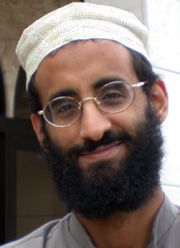
Imam’s Path From Condemning Terror to Preaching Jihad

THE NEW YORK TIMES: WASHINGTON — In the weeks after the Sept. 11 attacks, the eloquent 30-year-old imam of a mosque outside Washington became a go-to Muslim cleric for reporters scrambling to explain Islam. He condemned the mass murder, invited television crews to follow him around and patiently explained the rituals of his religion.

“We came here to build, not to destroy,” the cleric, Anwar al-Awlaki, said in a sermon. “We are the bridge between Americans and one billion Muslims worldwide.”

At first glance, it seemed plausible that this lanky, ambitious man, with the scholarly wire-rims and equal command of English and Arabic, could indeed be such a bridge. CD sets of his engaging lectures on the Prophet Muhammad were in thousands of Muslim homes. American-born, he had a sense of humor, loved deep-sea fishing, had dabbled in get-rich-quick investment schemes and dropped references to “Joe Sixpack” into his sermons. A few weeks before the attacks he had preached in the United States Capitol.

Nine years later, from his hide-out in Yemen, Mr. Awlaki has declared war on the United States.

“America as a whole has turned into a nation of evil,” he said in a statement posted on extremist Web sites in March. Though he had spent 21 of his 39 years in the United States, he added, “I eventually came to the conclusion that jihad against America is binding upon myself, just as it is binding on every other able Muslim.” >>> Scott Shane and Souad Mekhennet | Saturday, May 08, 2010

Saturday, May 08, 2010
Nick Clegg 'Backed by Top Lib Dems' for Election Talks with Tories

Protests, proportional representation
Protestors of pressure groups for parliamentary reform demand proportional representation outside the Lib Dem talks. Photo: Times Online

TIMES ONLINE: Nick Clegg has the full backing of his party's senior ranks as he prepares to strike a power-sharing deal with the Conservatives, one of the Liberal Democrats' negotiators said today.

David Laws described the leader’s talks with his parliamentary party and the Lib Dem shadow cabinet as “very positive and constructive” and said the party was determined to put the national interest before “party advantage” to deliver “stable and good government”.

Winning the backing of his party's most influential members was the first hurdle for Clegg as he attempts to form an alliance with the Tories after voters delivered a hung parliament.

Clegg pledged today that he would push for "fundamental" reform of the British electoral system. Ahead of a meeting with the Lib Dems’ 57 MPs and 72 peers, he added that he would prioritise fairer taxes, help for disadvantaged schoolchildren and a new approach to the economy.

Laws, who is one of four Lib Dem negotiators due to resume talks with their Tory counterparts tomorrow morning, said the MPs and peers endorsed the strategy “in full and completely”. >>> Amar Singh | Saturday, May 08, 2010
Lituanie : Echauffourées à la première Gay Pride

20 MINUTES: Environ 2000 opposants anti-gays ont pris d'assaut samedi la première marche d'homosexuels organisée en Lituanie.

Photobucket
Les manifestants de la Gay Pride ont été la cible de projectiles. Photograph: 20 Minutes

Les 300 personnes prenant part à la Baltic Pride 2010, à Vilnius, ont été la cible de projectiles. La police a dû intervenir.

Les forces de l'ordre ont lancé du gaz lacrymogène en direction des opposants anti-gay qui lançaient des bouteilles, des pierres et des pétards en direction des manifestants, policiers et journalistes. Dix-neuf personnes ont été interpellées, selon la police. >>> ats/afp | Samedi 08 Mai 2010
Spekulanten-Attacken: Krisengipfel: Der Euro kämpft ums Überleben

KRONEN ZEITUNG: Nach Chaos, Streit und Panik beim Krisen-Gipfel der Staats- und Regierungschefs kämpfen am Sonntag die EU-Finanzminister um das Überleben des Euro. Die Europäische Zentralbank soll dazu mehrere Rettungspläne ausarbeiten. Zentrale Punkte sind ein Notfallsystem und eine Radikalkur für die verschuldeten Euro-Länder. Diese Reform gilt als letzte Chance. Denn für Montag wird ein massiver Verkauf europäischer Staatsanleihen auf den Märkten befürchtet. >>> Von Claus Pándi, Kronen Zeitung | Samstag, 08. Mai 2010
Nach dem EU-Gipfel: Das Endspiel um den Euro

FRANKFURTER ALLGEMEINE ZEITUNG: In der Not opfert die Europäische Union heilige Prinzipien der Währungsunion. Ob das die Finanzmärkte beeindruckt, zeigt sich erst am Montag früh. Es geht längst nicht mehr um die Griechen, es geht um den Euro als solchen.

Spätestens am frühen Samstagmorgen erhält Helmut Kohls alte Behauptung, der Euro sei eine Frage von Krieg und Frieden, eine neue Bedeutung. Es ist der Moment, in dem Nicolas Sarkozy das Wort von der „Generalmobilmachung“ in den Mund nimmt. Endlich seien alle Institutionen des Euro-Raums – die Europäische Zentralbank (EZB) inklusive – bereit, „ohne Gnade gegen die Spekulation zu kämpfen“, ruft der französische Staatspräsident mit martialischer Geste aus – und lässt keinen Zweifel daran, wie der oberste Feldherr in dieser Schlacht heißt: Sarkozy.

Ursprünglich sollten die Staats- und Regierungschefs des Euro-Raums bei ihrem Brüsseler Sondergipfel am Freitagabend „nur“ das in seinen Details schon feststehende Kreditpaket für Griechenland endgültig beschließen und ein wenig darüber reden, was aus der Griechenland-Krise mittel- und langfristig zu lernen sei. Doch je länger sich das Treffen hinzieht, desto klarer wird: Es geht längst nicht mehr um die Griechen, es geht um den Euro als solchen. >>> Von Werner Mussler, Brüssel | Samstag, 08. Mai 2010

Europas Schuldenkrise: Die Deutschen in Haftung

FRANKFURTER ALLGEMEINE ZEITUNG: Die Deutschen sollen für griechische Schulden haften, damit der Euro stabil bleibt. Doch wenn Angela Merkel aus der Währungsunion eine Transferunion macht, verlieren die Deutschen das Vertrauen in den Euro. Das ist die größte Gefahr: für die Währung - und die Kanzlerin.

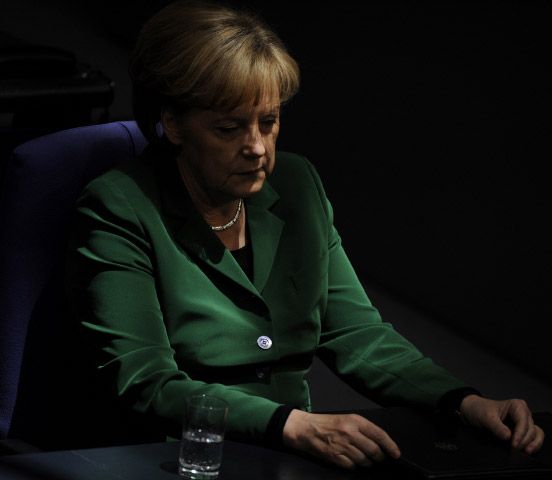
Warum soll Deutschland für die Schulden Griechenlands haften? Bundeskanzlerin Angela Merkel versucht das so zu erklären: Es gebe zur Rettung der Griechen keine Alternative, es gehe um die Stabilität des Euro, nur mit einem harten Sparprogramm könnten die Hellenen das Vertrauen der Märkte wiedergewinnen. Die Beschwörung der Zukunft Europas mag im Bundestag und Bundesrat Gehör finden, wenn der Finanzminister ermächtigt wird, für fremde Staatsschulden zu bürgen (Bundestag billigt Griechenland-Hilfe). Aber die allermeisten Bürger überzeugt das nicht.

Schließlich ist den Deutschen der Abschied von der bewährten D-Mark mit dem Gegenteil der von Merkel gebetsmühlenartig wiederholten Rettungsfloskel schmackhaft gemacht worden. Kein Euro-Land darf für die Schulden eines anderen haften, steht in den EU-Verträgen. Nur dadurch werde der Euro so stark wie die D-Mark, versprachen die Väter der Währungsunion. Nun soll das Gegenteil richtig sein. Jetzt sollen Deutsche für griechische Schulden haften, damit der Euro stabil bleibe. Wer soll das verstehen? >>> Von Holger Steltzner | Freitag, 07. Mai 2010

FRANKFURTER ALLGEMEINE ZEITUNG: Bundestag billigt Griechenland-Hilfe – „Die Euro-Zone steht auf dem Spiel“: Der Bundestag hat mit den Stimmen der Koalitionsfraktionen und der Grünen dem Hilfspaket für Griechenland zugestimmt. Auch der Bundesrat legte keinen Einspruch ein. Finanzminister Schäuble spricht von einer Entscheidung „für eine Zukunft in Frieden und sozialer Sicherheit“. >>> | Freitag, 07. Mai 2010
Margaret Thatcher: The Queen Should Have Last Word on Hung Parliament

THE TELEGRAPH: Margaret Thatcher keeps her counsel on hung parliament out of respect for the Queen.

Photobucket
Margaret Thatcher refuses to speak publicly about the implications of a hung Parliament out of respect for the Queen. Photo: The Telegraph

While David Cameron is deluged with advice on the dangers of jumping into bed with Nick Clegg, the most respected voice in his party has decided to keep her counsel.

Baroness Thatcher will refuse to speak publicly about the implications of a hung parliament out of respect for the Queen, says her son.

"She knows it isn't for her [to speak out], and there is a lot to be said at the moment for keeping one's own counsel," Sir Mark Thatcher tells Mandrake. "My mother has the utmost respect for the monarch."

The 2nd baronet says his mother is sanguine about the result of the general election, which saw Cameron achieve a swing towards the Tories almost as big as that which propelled her into Number 10.

"She has always taken the view that general elections aren't about what the people want, but what is on offer to the people," he said.

In 2008, Lady Thatcher told me that Gordon Brown was the "greatest weapon in the Tory party's armoury". >>> Tim Walker. Edited by Richard Eden | Friday, May 07, 2010
Protests at Lib Dem Meeting Over Proportional Representation

THE TELEGRAPH: Protesters demanding proportional representation have picketed a building where Nick Clegg and his Liberal Democrat front-bench team were meeting.

Photobucket
Electoral reform demonstrators call for Britain's Liberal Democrat leader Clegg during a protest in central London. Photo: The Telegraph

Around 1,000 campaigners from pressure group 38 Degrees urged the party to fight for parliamentary reform.

They held up placards outside Local Government House which read: "Be brave - fair votes now" and "Be brave - demand PR".

A group of protesters, accompanied by a police escort, marched into Smith Square chanting "Fair votes now".

The demonstrators, mostly wearing purple, also waved placards and flags as the meeting of the Lib Dem parliamentary party continued inside Local Government House.

Senior Liberal Democrats today fully endorsed Nick Clegg's strategy on possible co-operation with the Conservatives, one of the party's negotiators said.

David Laws described the leader's talks with the parliamentary party and Lib Dem cabinet as "very positive and constructive". >>> | Saturday, May 08, 2010
Greece Paralyzed by Protests, Passes Austerity Bill


RUSSIA TODAY: Greece paralyzed by protests, passes austerity bill: On Thursday afternoon the Greek parliament passed a package of strong anti-crisis measures in exchange for vast financial aid from EU countries. >>> | Published Thursday, May 06, 2010; Edited Friday, May 07, 2010
Durch den Sehschlitz einer Burka sind die Augen einer Frau nur zu erahnen. Bild: Berliner Zeitung

Nach Burka-Überfall Schleierdebatte in Australien

BERLINER ZEITUNG: Sydney - Ein mit einer Burka verhüllter Geldräuber hat in Australien eine Debatte über den muslimischen Ganzkörperschleiers wie in Frankreich und Belgien ausgelöst.

Cory Bernardi, Politiker der oppositionellen Partei der Liberalen, brachte das Thema mit einem Blog-Eintrag ins Rollen, in dem er sich für ein Verbot aussprach. >>> © dpa | Freitag, 07. Mai 2010

For Australia's Sake, We Need to Ban the Burqa

THE SYDNEY MORNING HERALD: The burqa is no longer simply the symbol of female repression and Islamic culture, it is now emerging as a disguise of bandits and n'er do wells.


In Sydney this morning a man was robbed by a burqa wearing bandit who further disguised his (or her) identity by wearing sunglasses. The bandit was described by police as being of "Middle Eastern appearance".


Well of course he was (assuming it was a he) because the only characteristics the victim could see were the burqa and the sunglasses. Now unless the sunglasses had 'made in Iran' stamped on them, it's fair to say that the 'Middle Eastern appearance' line was attributed to the head to toe veiling of the Islamic burqa.


In my mind, the burqa has no place in Australian society.

I would go as far as to say it is un-Australian. To me, the burqa represents the repressive domination of men over women, which has no place in our society and compromises some of the most important aspects of human communication.


It also establishes a different set of rules and societal expectations in our hitherto homogenous society. Read on (+ video) >>> Cory Bernardi | Thursday, May 06, 2010
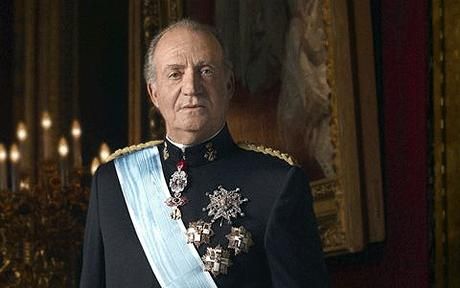
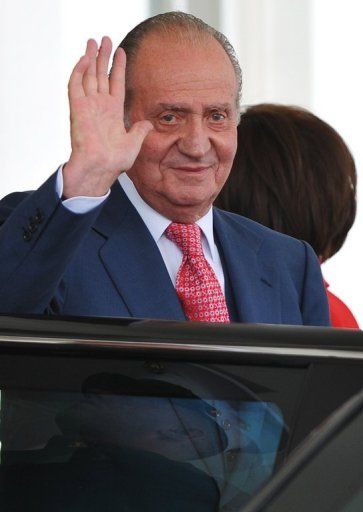
Juan Carlos, opéré avec succès d'une lésion sans cellule maligne, se porte bien

LE POINT: Le roi d'Espagne Juan Carlos, pilier de la jeune démocratie espagnole, a été opéré samedi à Barcelone d'un nodule pulmonaire bénin "sans aucune cellule maligne", à l'âge de 72 ans, et "se porte très bien" après l'intervention, ont indiqué ses médecins.

L'intervention qui a pris fin vers 11H45 (09h45 GMT) a permis d'extirper un nodule pulmonaire de type bénin, a déclaré en conférence de presse le chirurgien de l'hôpital clinique de Barcelone Laureano Molins.

Une première analyse du nodule pulmonaire extirpé dans la matinée, a montré qu'"il n'y a aucune cellule maligne" de type cancéreux, a-t-il ajouté.

Le souverain espagnol, âgé de 72 ans, "est éveillé et se porte très bien", a souligné le médecin, précisant qu'a priori aucun traitement post-opératoire ne serait nécessaire. >>> AFP | Samedi 08 Mai 2010

King Juan Carlos of Spain Recovering from Surgery

THE TELEGRAPH: King Juan Carlos of Spain is recovering from surgery to remove a growth from a lung, the Royal Palace said.

The palace said the 72-year-old monarch was successfully operated on in a hospital in the northeastern city of Barcelona.

Surgery was directed by doctor Laureano Molins Lopez-Rodo.

"It's good news, the lesion is benign," Dr Molins said at a post-operation press conference, adding that there were "no malign cells" in tissue removed from the upper part of the king's right lung.

Queen Sofia told journalists gathered at the hospital in the afternoon that doctors had said the king could be given the all clear to go home in four days.

"He has very impressive health," she said, smiling. >>> | Saturday, May 08, 2010
Gordon Brown 'Launched Telephone Rant' at Nick Clegg

THE TELEGRAPH: Gordon Brown launched a "diatribe" and a "rant" at Nick Clegg during a telephone call with the Liberal Democrat leader after it was suggested he should resign, it was reported today.


The BBC reported the confrontation based on remarks by a "very senior Lib Dem source who is involved in the negotiations with the Conservatives".

The source told the BBC's Jon Sopel that during the leaders' conversation last night, the tone went "downhill" at the mention of resignation.

It was claimed Mr Brown's approach was to begin "a diatribe" and "a rant" and the source said the Labour leader was "threatening in his approach to Nick Clegg".

Mr Clegg was said to have came off the phone assured that it would be impossible to work with Brown because of his attitude towards working with other people.

Number 10 have denied the report of Brown's aggression, describing the chat as "constructive".

In contrast, the Lib Dem source said discussions between Mr Clegg and David Cameron, the Conservative leader, had been "convivial"[.] >>> | Saturday, May 08, 2010

THE TELEGRAPH: The day that changed politics forever: When Gordon Brown called the general election for May 6, all three main parties believed they knew what the country wanted. But the voters had other ideas, says Matthew d’Ancona. >>> Matthew d’Ancona | Saturday, May 08, 2010
Kommentar: Der Tanz geht erst richtig los

WELTWOCHE: Die Euro-Krise ist nur ein Symptom. Dahinter steckt die Fehlkonstruktion EU. Das europäische Einigungs-projekt ist auf allen Ebenen gescheitert. Von Peter Keller

Was Propheten wert sind, zeigt sich erst im Rückblick. 1999 ist der Bundesrat noch ganz offen auf EU-Kurs. In seinem Integrationsbericht, der die aussenpolitischen Ziele formuliert, ist zu lesen: Für den Beitritt zur Europäischen Union spreche überdies, «dass mit der Übernahme der Einheitswährung Euro [. . .] das Risiko von schädlichen Spekulationen auf den Schweizerfranken dahinfallen würde».

Heute steht der Euro am Abgrund und der souveräne Schweizer Franken ist stabil wie eh und je. Dafür beklagen EU-Politiker die Spekulationsattacken auf den Euro. Ironie des Schicksals? Oder bloss Pech gehabt? Weder noch. Der Euro war von Anfang an eine ökonomische Fehlleistung.

Die Finanzmärkte legen jetzt nur etwas unsentimental offen, was an diesem Konstrukt schon im Kern falsch angelegt war: Es kann keine vernünftige gemeinsame Währungspolitik für so unterschiedliche Volkswirtschaften geben wie das Kleinstfürstentum Luxemburg, den Industriegiganten Deutschland und Larifari-Staaten wie Portugal oder Griechenland. Der Euro ist ein politisches Projekt – und dieses Projekt ist gescheitert. Was jetzt abläuft, sind lebenserhaltende Massnahmen für eine klinisch tote Währung. >>> Peter Keller | Erschienen in der Weltwoche Ausgabe 18/10, Mai 2010
Blairites Rally Round Brown in Desperate Effort to Keep Tories Out

TIMES ONLINE: A measure of the determination, or perhaps desperation, with which Gordon Brown clings to power can be found in the counsel he chose when writing his post-election statement yesterday.

“Am back in my old office!” Alastair Campbell announced, with suitable incredulity, to friends in a text message from deep inside Downing Street over lunchtime.

He joined Lord Mandelson and Lord Adonis — those most pluralist of peers — to help the Prime Minister to draft words that could yet pave the way for the completion of what some call the “new Labour mission” but others have ridiculed as a wild Blairite fantasy.

There remain many obstacles to a “progressive majority” coalition with the Lib Dems, not least the reluctance of Nick Clegg himself. But the speed and confidence with which Labour has begun to navigate this uncharted terrain may just develop enough momentum to make it traversable.

The Conservatives had hoped that Labour would react to the loss of 90 seats — and a share of the vote that would have made Michael Foot blush — with the self-destructive mutual recrimination in which the party has so often indulged. >>> Tom Baldwin | Saturday, May 08, 2010
Race Thugs Attack Sons of UK’s First Asian Bishop

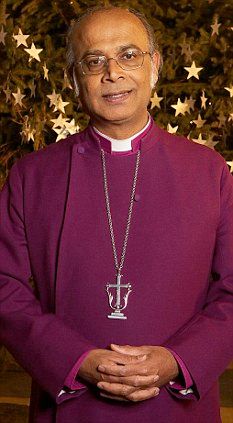
MAIL ONLINE: The former Bishop of Rochester's two sons have been set upon in a racial attack, it has emerged.

Dr Michael Nazir-Ali, the first Asian bishop appointed by the Church of England, last night condemned the gang assault.

Pakistani-born Dr Nazir-Ali, who retired last September, said: 'Any act of violence is concerning but it makes it even worse that it was racially motivated.

'My main concern is making sure the boys are OK. >>> Daily Mail Reporter | Friday, May 07, 2010
Qatari Royal Family Buys Harrods

Harrods
Fayed invested £400m in Harrods, which was founded in 1840. Photo: Times Online

TIMES ONLINE: Harrods, the world famous department store, has been sold for more than £1.5bn to the Qatari royal family, Times Online can confirm.

Mohamed al-Fayed, the Egyptian owner of the London landmark, has decided to retire and will hand over the reins to Qatar Holding.

The firm was chosen because they would "maintain the traditions of Harrods", said Ken Costa, chairman of Lazard International - the investment bank advising the family trust on the deal.

Fayed received advances from Gulf-based suitors in the last two months, but initially offered them “two fingers” in a vehement refusal.

“People approach us from Kuwait, Saudi Arabia, Qatar. Fair enough, but I put two fingers up to them all,” Fayed said last month.

“It is not for sale. This is not Marks & Spencer or Sainsbury. It is a special place that gives people pleasure. There is only one Mecca.”

But today Costa confirmed that the owner of Fulham football club has changed his mind. Harrods sold to Qatar Holdings for £1.5bn as Mohamed al-Fayed retires >>> Martina Lees | Saturday, May 08, 2010
Cameron's 'Big, Open, Comprehensive' Offer to Lib Dems

Photobucket
Nick Clegg leaves his party's headquarters in Westminster last night. Photograph: Times Online

TIMES ONLINE: David Cameron has invited Nick Clegg to transform British politics by joining a Tory-led coalition after voters delivered the first hung Parliament in 36 years.

Mr Cameron sketched out a possible deal for “collaborative government” as party leaders grappled with the most complicated election result in terms of Commons arithmetic since the 1920s.

Mr Clegg was keeping his options open last night after Gordon Brown tried to tempt the Liberal Democrats into power with a promise of full proportional reform to the voting system.

The initiative, though, was with Mr Cameron after he emerged with more votes and seats from a long election night most notable for dashing the highest hopes of all the parties.

The public wooing of Mr Clegg unfolded in three acts of extraordinary Westminster drama that promises to continue through the weekend with potentially far-reaching consequences.

The Tories would like to finalise a deal before markets open on Monday but the Liberal Democrat leader does not want to be bounced into something that he cannot sell to his party. >>> Roland Watson, Political Editor | Saturday, May 08, 2010
‘Greece Is Like a Rat’s Tail. It Will Come Round to Hit Us’

TIMES ONLINE: Eleni is busy. Beyond the doors of the kitchen you can make out her gentle bullying: agape mia, she seems to be saying, my dear, where are the dolmades for Table 3? And back in the restaurant, with its murals of the blue Aegean, she flits from alcove to alcove listening to the sour jokes from her German customers — “Eleni, don’t expect me to pay the bill for the next three years, you Greeks are already emptying our pockets.” The Germans may be angry with the Greeks but they are not about to go without their ouzo. As the country approaches a critical election tomorrow it is becoming clear that bailing out Greece has become a key issue for Germans. “It’s the dominant topic,” says Klaus-Peter Schöppner, the head of the Emnid polling institute. “People are asking what happens to us if we don’t help the Greeks?”

Other questions are beginning to nag the Germans, too: how much Europe do we really need? Suddenly the European project that was for so long the preserve of the elites — the scrapping of the mark, EU eastward enlargement — has become a matter of public debate. It was instructive to study the faces of German trade unionists on May Day as they made their routine pledges of proletarian support to Greek workers; the cameras captured the bemusement of the listening crowds. Solidarity with the Greeks? Paying them money from our taxes so that they could retire in their late fifties while we slog on until 67? Precisely what European idea makes that possible?

The vote that is bringing these doubts to the surface is being held in North Rhine-Westphalia, a region that encompasses the once heavily industrialised Ruhr Valley. There are big cities such as Cologne and Dortmund struggling with the economic downturn and the crumbling of multicultural communities, great swaths of farmland and also pockets of neglect, as impoverished as anything that can be seen in the heavily subsidised eastern Germany. Eighteen million people live in the region compared with only eleven million in the whole of Greece. It is ruled by a coalition of Christian Democrats and Free Democrats, just like the country as a whole.

The election has become a tight contest. If the Government collapses there, Angela Merkel will lose her majority in the Upper House of parliament — and the plans for a radical overhaul of the tax and health systems will be blocked by the Social Democrats. Popular frustration about Greece, and about Europe, has therefore become a critical factor in Ms Merkel’s future. >>> Roger Boyes | Saturday, May 08, 2010
Euro Crisis Goes Global as Leaders Fail to Stop the Rot

THE GUARDIAN: G7 demands action from Europe after markets plunge / Fears that banks' exposure to debt could wreck recovery

Photobucket
Germany's Angela Merkel and other European leaders is [sic] under increasing pressure over the Greek debt crisis going global as markets were in turmoil. Photograph: The Guardian

The growing crisis in the eurozone threatened to undermine the global economic recovery as markets plunged across the world on fears that European leaders may not be able to contain the debt contagion spreading from Greece.

Stock markets in London, New York, and Shanghai dived following criticism that much delayed and half-hearted measures to rescue Greece were undermining confidence in wider efforts to kick start the world economy.

European shares finished the day at a six-month low while the Dow was down around 1% at 10,424. In Asia, the Shanghai stock market fell to an eight-month low of 2688, down 6.8% on the previous day.

An emergency summit of the 16 leaders of the countries using the single currency was held in Brussels , with Chancellor Angela Merkel of Germany and President Nicolas Sarkozy of France demanding tougher and quicker regulation of the financial markets in what looked like a doomed attempt to contain contagion from the Greek drama.

One factor being discussed last night was to persuade the ECB to launch a new quantitative easing policy – entailing huge loans to distressed governments in the form of buying up their bonds. This is supported by the European Commission, Spain, Portugal, Italy and France, but is certain to run into German opposition.

With the pace of developments outstripping the ability of political leaders to respond, what was initially called as a summit to bless a €110bn (£95bn) rescue package for Greece turned into a frantic exercise in global crisis management.

Alarm bells were ringing in major capitals across the world where leaders voiced their exasperation with European attempts to contain the fallout from Greece. >>> Phillip Inman and Ian Traynor in Brussels | Friday, May 07, 2010
Brutal revenge: In a High-security British Jail, a Serbian Warlord Has His Throat Slashed by Three Muslim Inmates

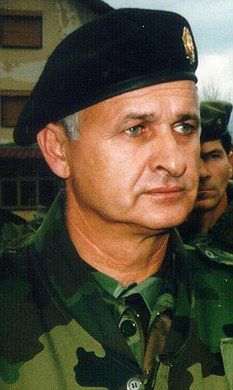
MAIL ONLINE: A former Serb general convicted of Europe's worst massacre since the Second World War had his neck slashed open by three Muslim prisoners in a British jail yesterday.

Radislav Krstic, 62, serving a 35-year sentence for war crimes, was in a critical condition in hospital after the attack at top security Wakefield Prison.

The Serbs were the deadly enemies of Bosnian Muslims during the Yugoslav civil war in the 1990s. At least one of Krstic's attackers is said to be a Bosnian Muslim.

The incident is a huge embarrassment to prison bosses because Krstic is regarded as one of Britain's most sensitive and high-profile inmates.

It is almost certain to be raised at diplomatic level and questions will be asked about how the suspects were able to attack him. >>> David Williams and Stephen Wright | Saturday, May 08, 2010
”Mobilisation générale” pour sauver la zone euro

Photobucket
Nicolas Sarkozy et Angela Merkel lors du sommet européen à Bruxelles vendredi soir. Photo : Le Point

LE POINT: La zone euro a décidé vendredi soir de mettre en place un fonds de soutien sans précédent pour ses pays confrontés à des difficultés financières, dans l'espoir de stopper la contagion d'une crise gravissime qui menace les fondements de l'Union monétaire.

A l'issue d'un sommet de crise à Bruxelles, les dirigeants des seize pays utilisant la monnaie unique ont demandé à la Commission européenne de proposer "un mécanisme de stabilisation visant à préserver la stabilité financière de la zone euro", selon une déclaration commune. Les ministres des Finances de l'ensemble de l'Union européenne sont convoqués dimanche après-midi pour finaliser le fonctionnement et le financement de ce dispositif, qui reposerait notamment sur des emprunts contractés par la Commission européenne. "D'ici à dimanche soir nous ferons en sorte d'avoir en place une ligne de défense de la zone euro imperméable", à temps pour l'ouverture des marchés lundi matin, a déclaré le président de l'Eurogroupe, Jean-Claude Juncker. Le Premier ministre italien Silvio Berlusconi a pris un ton tout aussi martial pour décréter "l'état d'urgence", tandis que le président français Nicolas Sarkozy a sonné la "mobilisation générale". La zone euro va se doter d'un fonds de soutien >>> AFP | Samedi 08 Mai 2010

Euro-Länder nehmen Kampf mit Spekulanten auf

WELT ONLINE: Die Euro-Länder wollen Europas angeschlagene Währung mit einer Radikalkur retten. Morgen sollen die EU-Finanzminister ein Notfallsystem für klamme Mitgliedstaaten festzurren. Das beschlossen die Staats- und Regierungschefs in der Nacht zum Samstag. Spekulanten soll es an den Kragen gehen.

Photobucket
Kündigte ein hartes Durchgreifen bei der Regulierung der Finanzmärkte an: Frankreichs Staatsoberhaupt Nicolas Sarkozy. Bild: Welt Online

Die Euro-Länder haben der Spekulation gegen die Gemeinschaftswährung den Kampf angesagt und einen Rettungsmechanismus zur Abwehr von Schuldenkrisen in ihren Mitgliedsländern beschlossen. Noch vor Öffnung der Finanzmärkte wollen die EU-Finanzminister am Sonntagabend beschließen, dass die Kommission künftig in Krisenfällen am Kapitalmarkt Kredite für strauchelnde Euro-Länder aufnehmen kann. >>> Von Ilona Wissenbach | Samstag, 08. Mai 2010

LE TEMPS: Face aux risques de contagion, l’UE jure de défendre l’euro : Le sommet extraordinaire des dirigeants de la zone Euro s’est achevé vendredi vers minuit par un engagement commun à mettre en place un «mécanisme de stabilisation». Un Conseil des ministres des finances est convoqué dimanche >>> Richard Werly | Samedi 08 Mai 2010
Chávez-Kritiker muss acht Jahre ins Gefängnis: Ex-Verteidigunsminister Baduel wegen Machtmissbrauchs verurteilt

NZZ ONLINE: Der ehemalige venezolanische Verteidigungsminister Raúl Isaías Baduel ist zu knapp acht Jahren Gefängnis verurteilt worden. Ihm wird Veruntreuung und Machtmissbrauch zur Last gelegt.

Der ehemalige venezolanische Verteidigungsminister Raúl Isaías Baduel, ein früherer Vertrauter von Staatschef Hugo Chávez, ist wegen Veruntreuung und Machtmissbrauchs zu knapp acht Jahren Haft verurteilt worden. >>> sda/afp | Samstag, 08. Mai 2010
Why Liberal Dems Want Reform

Zeal and Angst: Germany Torn Over Role in Europe

Photobucket
Helmut Kohl, left, returns to the European stage. Photograph: The Wall Street Journal

THE WALL STREET JOURNAL: LUDWIGSHAFEN, Germany—Helmut Kohl, frail and confined to a wheelchair, returned to public view this week, imploring his countrymen not to abandon the goal he spent his political life pursuing: a united Europe.

"Today, I am convinced more than ever that European unification is a question of war and peace for Europe and for us, and the euro is part of our guarantee of peace," the former chancellor, his voice uneven and raspy, told guests at a celebration for his 80th birthday.

As Chancellor Angela Merkel looked on, Mr. Kohl issued a thinly veiled critique of her reluctance to help Greece, saying he couldn't understand "people who act as if Greece doesn't matter." Of course the situation is difficult, but Germany must pull out all the stops, he said, drawing applause from the crowd.

The scene underscored the threat Greece's turmoil poses to monetary union, the grandest expression of the European continent's drive toward integration. Mr. Kohl led the unification drive two decades ago. Now the increasingly disruptive debt problems in Greece and elsewhere post the question: What price is Germany willing to pay to save Europe? >>> Marcus Walker and Matthew Karnitschnig | Saturday, May 08, 2010
Riots Up Front and Personal

Epidemic Threatens Haiti


Diphtheria >>>
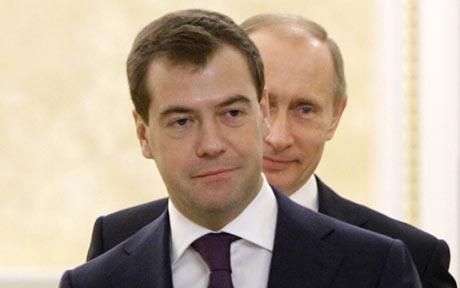
Medvedev Criticises USSR Over Human Rights

THE TELEGRAPH: Dmitry Medvedev has launched a wide-ranging attack on the Soviet Union as a totalitarian state that crushed individual liberties in the most outspoken comments on the USSR by a Russian leader in recent years.

Mr Medvedev's comments, which also included stinging criticism on the historical role of Soviet dictator Josef Stalin, will be interpreted by many as an attempt to distance himself from Vladimir Putin, the prime minister, who has adopted a more ambiguous stance on Russia's often tragic history.

In an interview Mr Medvedev declared that nothing could justify Stalin's crimes against his own people.

"Despite the fact that he worked a lot, and despite the fact that under his leadership the country recorded many successes, what was done to his own people cannot be forgiven." >>> Andrew Osborn in Moscow | Friday, May 07, 2010
Britain to Go to Polls Again Within 12 Months, Experts Say

THE TELEGRAPH: Britain is very likely to go to the polls within 12 months, political experts have warned, costing the parties millions in further expense.

As the Conservatives started to negotiate with the Liberal Democrats about forming some form of alliance, political historians warned that it there was a strong chance that Britain would be forced to go to the polls by as soon as the end of the year.

Dr Richard Toye, an historian at Exeter University, said: "I'd bet on an election in October or November this year." >>> Harry Wallop, Consumer Affairs Editor | Friday, May 07, 2010
David Cameron Has Had This Coming to Him

THE TELEGRAPH: Dave Cameron abandoned conservatism five years ago because he believed it would get his party elected. It didn't.

Dave had to fight a widely despised Prime Minister leading a Government incompetent and destructive on a scale unseen in living memory. Seldom has there been a softer target; but seldom has one been missed so unnecessarily. With just 36 per cent of the vote, the Tories stood almost still since 2005. They are now on their knees to their other enemy, the Lib Dems.

Gordon Brown, predicted to cause his party's greatest defeat since 1918, was instead still in office and giving an entirely accurate constitutional lecture to the nation. So low were expectations of him that he looks as though he has done remarkably well. He remains Prime Minister. It is his duty to carry on the Queen's government. Like Baldwin, defeated in 1923, he can stay until he meets parliament with a Queen's Speech. Unless forced out by his party, he need not resign yet. Dave cannot even try to form a government while there is an incumbent prime minister. And there will be an incumbent prime minister until Mr Brown is convinced that the combined forces of the Lib Dems and Tories can defeat him on a motion of confidence or a Loyal Address.

It should not have come to this. As I rang round Tory MPs some were incandescent at the conduct not just of the campaign, but of the whole anti-core vote strategy that has alienated many natural Tory voters. George Osborne, both as campaign co-ordinator and also as an inept shadow chancellor, was quickly selected as the scapegoat. But let us not forget that the roots of this problem go back to 2005. The party has chosen to mimic and validate the policies of its opponents, with the result that the public found little to choose between the main parties. This was exemplified in the television debates, in which the leaders fell over themselves to agree not only with any contention put to them by the public, but even with each other. >>> Simon Heffer | Friday, May 07, 2010
David Cameron Closes In on Deal with Nick Clegg

THE TELEGRAPH: David Cameron has entered into formal talks with Nick Clegg to try to secure a deal that would force Gordon Brown from Number 10.

Photobucket
Nick Clegg and David Cameron - David Cameron closes in on deal with Nick Clegg. Photos: The Telegraph

During one of the most extraordinary days in British political history, the Conservative leader made an unprecedented “big, open and comprehensive offer” to the Liberal Democrats after the election ended in the first hung parliament for 36 years.

Mr Cameron was compelled to make the public plea to Mr Clegg after it became clear that the Conservatives would be 20 seats short of an overall Commons majority and that Mr Brown would not allow him to lead a minority government.

To the astonishment of many at Westminster and beyond, Mr Brown stubbornly refused to accept election defeat despite Labour losing almost 100 seats.

Instead, the Prime Minister attempted to woo the Liberal Democrat leader with a power-sharing offer of his own.

After a night in which the Tories had appeared confident of securing an overall majority, Mr Cameron looked shell-shocked as he addressed a press conference at which he outlined a ground-breaking and, until yesterday, unthinkable offer to the Liberal Democrats.

He said: “I am prepared to consider alternative options. It may be possible to have stronger, more stable, more collaborative government. >>> Andrew Porter and Robert Winnett | Friday, May 07, 2010
Gordon Brown - Flawed, Failed, Finished.

THE TELEGRAPH: As Gordon Brown clings on to power, his biographer Anthony Seldon delivers his damning verdict on our flawed prime minister

'I did not foresee it,” Gordon Brown was heard to say on May 7, 2010. But then the Gordon Brown story is a Shakespearean tragedy of King Lear proportions. Like King Lear, he lashes out in all directions, now berating, now making sycophantic overtures, a desperate figure clinging by his nails to the vestiges of power. Like Lear, he demeans himself, and fails to see the truth, a truth evident to those all around him.

As John Major said, his remaining in office is beginning to look undignified: quite fairly, the former Tory prime minister observed that his own loss in 1997 was nothing like as severe as Brown’s. He should really, added Major, have taken himself off to watch the cricket by now.

True, Labour avoided falling into third place, and with it the ignominy of achieving its poorest result since 1918. But achieving just 29 per cent of the vote, and losing 90 seats, was still its worst result since 1983, when the party was led by Michael Foot. And however the next few days play out – whether Nick Clegg strikes a deal with David Cameron or even if he opens talks with senior figures in Labour – one thing is certain: Brown is a dead man walking. >>> Anthony Seldon | Friday, May 07, 2010
Hung Parliament Sparks Market Chaos

THE TELEGRAPH: The pound plunged up to 4½ cents against the dollar during a roller coaster 24 hours of trading as the prospect of coalition Government prompted investors to ditch UK assets.

The inconclusive election result unnerved investors already spooked by Greece's deepening debt crisis and a global rout of equity markets.

Gilt yields see-sawed, with investors at one point demanding an extra 1.25 percentage points to hold 10 year gilts rather than German Bunds – the biggest spread since 1998. Shares also fell, with the benchmark FTSE 100 dropping 2.6pc, capping its worst week for 14 months.

Michael Saunders, chief European economist at Citigroup, said Britons should brace for a potential "meltdown" if there is no deal for stable government by Monday.

"Right now there is a firestorm of a sovereign credit crisis sweeping global markets," he said. "If markets do not get some sense on Monday that there is a solid government with a credible route back to fiscal stability, things could get very ugly indeed. A coalition of Labour, Lib Dems and nationalist parties could well precipitate a market meltdown."

The best outcome so far as investors were concerned would be a Conservative-Liberal Democrat coalition with an outline plan to cut the deficit, he said. >>> Richard Fletcher and Edmund Conway | Friday, May 07, 2010

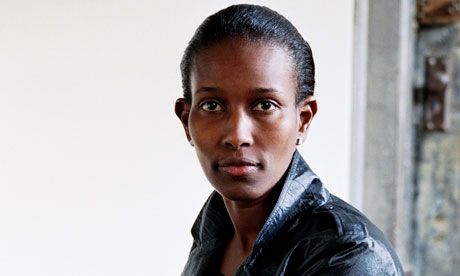
Ayaan Hirsi Ali: 'Why Are Muslims So Hypersensitive?'

THE GUARDIAN: She says Islam is backward and the Qur'an is terrible. But Ayaan Hirsi Ali – whose provocative new book is extracted here – is not about to let a fatwa intimidate her. She talks to Emma Brockes

Ayaan Hirsi Ali enters an apartment in New York followed by a bodyguard. The 40-year-old, who for the last six years has been unable to turn up at a venue without it being checked by security, is a writer, polemicist and critic of Islam. She is also a Somali immigrant, an ex-Muslim, a survivor of child genital mutilation, an exile many times over, a former Dutch MP, a black woman whose language would not, in places, look amiss in a BNP pamphlet, a remarked-upon beauty and a lady-in-peril, identities that lend her as a figurehead to disparate causes and bring on confusion in the people she meets.

"I'm a serious person," she says, frowning, as the photographer suggests various fashion poses, but she is also quietly, almost coyly glamorous, moving around with fawn-like grace. It's a combination that works particularly well on male polemicists of the muscular left, who can't do enough to defend her: her gentle charm, her small wrists, her big eyes – oh, and her brave commitment to Enlightenment values – in the face of all that extremism. >>> Emma Brockes | Saturday, May 08, 2010

Friday, May 07, 2010

Hung Parliament in the UK: A Very Un-British Election Result

SPIEGEL ONLINE INTERNATIONAL: Britain, it seems, has finally become European, at least in its political system. The UK's much-dreaded hung parliament would be business as usual on the Continent, where parties are used to forming coalition governments. Britain's unfair first-past-the-post system needs to finally be fixed.

British beer is famous for tasting flat to continental Europeans. Equally flat was the mood that set in over the course of the long election night after Britons voted in Thursday's general election. The result is disappointingly undecided: The British wanted change, but not enough to actually get it.

They have obviously had enough of Labour's Gordon Brown and his government, but they do not necessarily want Conservative challenger David Cameron as prime minister. With around 36 percent of the total vote, the Tories narrowly missed their goal of winning a majority of seats in parliament. Now the British have produced a very un-British election result: a hung parliament in which no single party has a majority of seats.

In the eyes of the Brits, coalition governments have been regarded, at least up until now, as an excessively complex invention by those continental Europeans. Such governments were seen as incapable of action, and coalitions were thought to promote haggling between parties and political corruption.

The British are accustomed to having a single government party and a large opposition party in their parliament. The government -- which, thanks to the undemocratic first-past-the-post system, usually had a comfortable majority -- dictated their policies; the opposition railed against them. Once the ruling party had run out of steam, the roles were reversed. New Political Territory >>> A Commentary by Michael Sontheimer | Friday, May 07, 2010
Devastation of War: Archival Discovery Reveals a Ruined Berlin

SPIEGEL ONLINE INTERNATIONAL: Forgotten for decades, a trove of post-war photographs from 1945 has recently been unearthed. The snapshots illustrate the devastation of the German capital and capture the desperation of the city in the weeks after the end of World War II. They also show glimpses of Berlin's resilience.

The soldier with the Iron Cross on his chest lies in the middle of the street. His steel helmet has rolled away. The Red Army soldiers are turning him onto his back and cleaning their weapons. They take no notice of the photographer kneeling to take the picture. He's already taken dozens of shots today -- this time he's just chosen a corpse for the foreground.

It's a scene from the final days of the World War II, taken somewhere in the center of Berlin. For decades this picture, along with thousands of others, lay in the archives of a Berlin publishing house. Unnoticed. It is only now that the collection has come to light. >>> Solveig Grothe | Friday, May 07, 2010

To the photo gallery >>>