Thursday, June 18, 2009

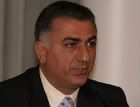
Iran Regime Arrests Ailing Reformer Ebrahim Yazdi in Hospital Bed

TIMES ONLINE: The Iranian regime has arrested an elderly and ailing reformist while he underwent medical tests in a Tehran hospital in its latest attempt to repress protests against electoral fraud.

Unable to find him when they called at his home, officials tracked down Ebrahim Yazdi, the 78-year-old leader of the banned but officially tolerated Freedom Movement, as he was undergoing stomach tests and took him away to Evin prison, his family and colleagues say.

Mr Yazdi was the foreign minister in Iran's first government after the 1979 revolution but has been sidelined since hardliners took control.

Mehdi Noorbaksh, Mr Yazdi’s son-in-law who lives in Harrisburg, Pennsylvania, confirmed that he was arrested at Pars Hospital at around 3pm and taken to Evin Prison, near the Iranian capital. Information was scant because phone lines had been cut off, he added.

Hadi Ghaemi, director of the New York-based International Campaign for Human Rights, said that Mr Yazdi was arrested in the intensive care unit. >>> Jenny Booth, Martin Fletcher and Ella Flaye in Tehran | Thursday, June 18, 2009
Iran: Mussawi taugt nur bedingt zum Freiheitshelden

WELT ONLINE: Den oppositionellen Demonstranten im Iran gilt er als Held: Mir Hussein Mussawi galt als Zögling Ayatollah Khomeinis in den frühen Tagen der Revolution, dann zog er sich aus der Öffentlichkeit zurück. Nun ist er wieder da und hat revolutionäre Ideen im Gepäck. Er könnte den Iran verändern wie kaum jemand sonst.

Zwanzig Jahre lang hat er geschwiegen, jetzt plötzlich, innerhalb von Tagen, hat die Schockwelle einer zweiten iranischen Revolution den 67-jährigen Mir Hussein Mussawi ins Rampenlicht der Weltaufmerksamkeit katapultiert. Mussawi, ein Kaufmannssohn aus der Provinz Aserbaidschan, ist ein völlig anderes Kaliber als das, was man bisher an Reformern im Iran erlebt hat. Ihn identifiziert man nicht mit den Studenten und Intellektuellen, sondern mit den „Barfußjahren“ der Revolution.

Er war der Lieblingssohn von Ayatollah Ruhollah Khomeini in den wüsten, finsteren Jahren des Kriegs gegen den Irak. Er war Ministerpräsident während dieser Zeit – ein Amt, das es heute gar nicht mehr gibt. In Stadt und Land erinnert man sich an das System von Rationierung und Lebensmittelkarten, mit dem er die iranische Wirtschaft, die jetzt vollends in Trümmern liegt, durch die Kriegsjahre steuerte. Familien, nicht nur die der „Märtyrer“, die ihre Söhne zu Hunderttausenden auf die Schlachtfelder schickten, hatten nicht zuletzt durch ihn immer etwas zu essen; das haben sie nicht vergessen.

„Er ist womöglich der einzige Mensch auf der politischen Bühne im Iran, der es von der politischen Statur her mit dem Obersten Revolutionsführer Chamenei aufnehmen kann“, meint die Iran-Expertin Laura Secor. Die Khomeini-Anhänger in den Machtapparaten respektieren ihn, aber auch die Revolutionsgarden und die höhere Geistlichkeit. Traditionelle, religiöse Menschen unterstützen ihn auch.

Mussawi kommt aus dem Milieu der radikalen iranischen Linken; derjenigen, die Ende der Siebzigerjahre an der Seite der Mullahs für den Sturz des Schahs kämpften. „Bei ihnen verband sich Misstrauen gegen den Westen und gegen die Marktwirtschaft“– nicht zuletzt wegen der Erfahrungen mit British Oil und amerikanischen Ölgesellschaften, aber auch wegen der Rolle der CIA beim Sturz des frei gewählten Präsidenten Mossadegh 1953 – ein Ereignis, dessen Bedeutung für die späteren Beziehungen zwischen dem Iran und dem Westen man gar nicht hoch genug veranschlagen kann. >>> Von Mariam Lau | Mittwoch, 17. Juni 2009
Waffentests: Fliegt Nordkoreas nächste Rakete Richtung Hawaii?

WELT ONLINE: In gut zwei Wochen könnte in Nordkorea alles bereit sein für einen weiteren Waffentest. Eine Rakete mit mehr als 6000 Kilometer Reichweite soll von einem Testzentrum im Nordwesten des Landes gestartet werden. Die Flugbahn soll einem Bericht zufolge in Richtung der US-amerikanischen Hawaii-Inseln führen.

Nordkorea könnte einem japanischen Zeitungsbericht zufolge Anfang Juli eine ballistische Langstreckenrakete Richtung Hawaii abschießen. Die Rakete mit einer Reichweite von bis zu 6500 Kilometern würde vom Tentestzentrum Dongchang Ni im Nordwesten des Landes gestartet, berichtete die Zeitung „Yoimuri“. Das Blatt berief sich auf eine Analyse des Verteidigungsministeriums in Tokio und Geheimdienstinformationen.

Als Starttermin komme die Zeit zwischen 4. und 8. Juli infrage, hieß es weiter. Das japanische Verteidigungsministerium äußerte sich nicht zu dem Bericht, und das Verteidigungsministerium und der Geheimdienst in Seoul konnten ihn nicht bestätigen. >>> AP/cn | Donnerstag, 18. Juni 2009

WELT ONLINE: Warnung an Amerika: Nordkorea droht mit "gnadenlosem Militärschlag"

Nordkorea will im Fall eines Angriffs auf seine Souveränität "tausendfache Vergeltung" an den USA und deren Verbündeten üben. Das kündigte das Regime in seiner staatlichen Zeitung an. Südkoreanischen Medienberichten zufolge soll Nordkorea zudem seine Konten im Ausland plündern.

Nordkorea hat den USA und den Verbündeten Amerikas für den Fall eines Angriffs mit tausendfacher Vergeltung gedroht. Sollte die Souveränität Nordkoreas auch nur ein bisschen verletzt werden, würden die Streitkräfte eine „hundert- oder tausendfache Vergeltung mit einem gnadenlosen Militärschlag“ ausführen, hieß es in der staatlichen Zeitung "Minju Joson".

Der Zeitungskommentar, den die amtliche nordkoreanische Nachrichtenagentur KCNA verbreitete, nannte US-Präsident Barack Obama auch einen "Heuchler“. Er werbe für eine Welt ohne Atomwaffen und verfolge zu Hause ein ehrgeiziges Atomprogramm.

Obama, der am Dienstag in Washington mit dem südkoreanischen Präsidenten Lee Myung Bak zusammengetroffen war, hatte das Regime in Pjöngjang als große Bedrohung bezeichnet. Die jüngst vom UN-Sicherheitsrat in Reaktion auf den nordkoreanischen Atomwaffentest beschlossenen Sanktionen sollten mit Nachdruck umgesetzt werden, sagte Obama.

Der UN-Sicherheitsrat hatte am vergangenen Freitag seine Strafmaßnahmen gegen das Land verschärft. Einstimmig votierten die 15 Ratsmitglieder in New York für stärkere Kontrolle von Frachtlieferungen nach und aus Nordkorea sowie für neue Finanzsanktionen. Das UN-Gremium forderte das Land außerdem auf, sein Atomprogramm zu stoppen. >>> AP/AFP/ks | Mittwoch, 17. Juni 2009
La burqa en débat

leJDD.fr: Une soixantaine de députés de tous bords ont réclamé mercredi la création d'une commission parlementaire sur le port de la burqa en France. Les élus souhaiteraient que ce vêtement porté par certaines musulmanes, et qui les couvre de la tête au pied, soit interdit dans les lieux publics. Dalil Boubakeur, recteur de la Grande mosquée de Paris, a dit son soutien, mais craint "un conflit des lois".

La burqa sera-t-elle bientôt interdite dans les lieux publics en France? Une soixantaine de députés de tous bords (trois communistes, sept socialistes, 43 UMP, deux Nouveau Centre et trois non-inscrits) le souhaitent vivement. Ils ont déposé mercredi à l'initiative de communiste André Gérin une demande de création d'une commission parlementaire sur le sujet. Composée de 30 députés, elle aurait pour mission de "définir des propositions afin de lutter contre ces méthodes qui constituent une atteinte aux libertés individuelles sur le territoire national".

"Nous sommes aujourd'hui confrontés, dans les quartiers de nos villes, au port par certaines femmes musulmanes de la burqa, voilant et enfermant intégralement le corps et la tête dans de véritables prisons ambulantes", écrit André Gérin dans sa proposition. "Il y en a de plus en plus, non seulement dans les grandes villes, mais aussi dans le monde rural. Il faut sortir d'une sorte de silence des responsables politiques de ce pays, a ajouté le député-maire de Vénissieux sur France Info. Il faut qu'on puisse ouvrir un dialogue tout à fait loyal et franc avec l'ensemble des musulmans, avec la question de la place de l'islam dans ce pays (...) par rapport à la dérive fondamentaliste et intégriste". >>> Par R.D (avec Reuters), leJDD.fr | Jeudi 18 Juin 2009
Islamist Al-Muhajiroun Relaunch Ends in Chaos Over Segregation Attempt

Photobucket
Anjem Choudary at the Al-Muhajiroun meeting. Photo: The Guardian

THE GUARDIAN: An attempt to relaunch the controversial Islamist group Al-Muhajiroun ended in chaotic scenes after the management of the London venue that was to host the group's first meeting in five years cancelled proceedings, complaining "fundamentalist thugs" had tried to enforce the segregation of men and women.

Supporters of the group, which wants sharia law in Britain and has praised the 9/11 terrorists as the "Magnificent 19", were ordered to leave Conway Hall in Holborn on Wednesday night when it emerged that Al-Muhajiroun had placed bouncers on the doors and were not letting women into the main hall.

Speakers who had been invited to share a platform with Anjem Choudary, the group's leader, accused Al-Muhajiroun of inviting them under false pretences.

Douglas Murray, director of the Centre for Social Cohesion, said the platform of the planned debate was "completely unacceptable". "I'm perfectly willing to debate Anjem Choudary and Al-Muhajiroun's ideas," he said. "His ideas are not difficult.

They do not stand up. But it's very clear that this debate is not neutral. This was a segregated event, policed by Al-Muhajiroun's guards."

He said he had been invited to the event by a student society, Global Issues Society, but the Islamist group had hijacked proceedings.

Giles Enders, chairman of the South Place Ethical Society which runs the hall, took to the stage and explained that the terms and conditions of Conway Hall do not stipulate segregation. He then declared the meeting cancelled. >>> Robert Booth | Thursday, June 18, 2009
Iran: Green Revolution

Revolution in Iran?


A Lesson from History for Iranian Ideologues Stuck in the Middle Ages

TIMES ONLINE: Beware the end of the decade in Iran. In 1979 it was the Shah who succumbed to the protests and was driven from power. In 1989 it was Ayatollah Khomeini, the father of the Islamic revolution, who died after a long illness. In 2009 his successor is fighting to save the regime from its gravest challenge since Saddam Hussein’s tanks crossed the frontier in 1980.

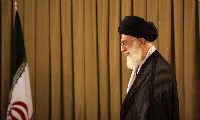
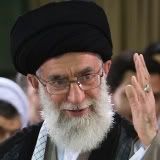
Ayatollah Ali Khamenei, Iran’s Supreme Leader, spent years in the Shah’s prisons, had his right arm paralysed by a bomb and has led Iran through many crises over the past two decades. But tomorrow, when he mounts the steps to the small stage at Tehran University to deliver the sermon at weekly prayers, he faces the toughest test of his almost 70 years.

If it was the “Great Satan”, as America is known, or even the “Little Satan”, as Britain is named, who were behind the challenge, then the regime would know how to protect itself. The Revolutionary Guards would be deployed along the borders, the Basij, a volunteer force, would patrol the streets. Instead, the challenge comes from within and from people that the Supreme Leader barely has contact with, using unfamiliar weapons — tweets, blogs, satellite television and text messages — that undermine him in ways he cannot imagine.

Two thirds of Iranians are under 30, meaning that they have no direct experience of the Revolution and [a] only passing knowledge of the Iran-Iraq war, which did more than anything to shape the modern country. What they have experienced is a life of missed opportunities caused by an aging clerical leadership, massive corruption and a regime that is increasingly dictatorial.

The mullahs once rigidly controlled access to information but their grasp has slipped. One third of Iranians have internet access. There are satellite dishes on every apartment block in Tehran, even though they are banned. Music channels beam in from California to show young Iranians how other young Iranians live half a world away.

The rulers may be living in the Middle Ages but their children and grandchildren are wired to the 21st century. >>> Richard Beeston, Foreign Editor | Thursday, June 18, 2009
Iran in Tumult: Tehran Energized and Enraged, Unsure and Hopeful

TIMES ONLINE: The Iranian opposition dashed the regime’s hopes that its protests would gradually fade away by staging another huge demonstration against electoral fraud yesterday and calling for an even bigger show of strength today as unrest spread across the country.

The demonstrators’ defiance of bans, violent repression and official pleas for unity is driving the regime towards increasingly extreme measures to enforce President Ahmadinejad’s hotly disputed re-election last Friday. Security forces have arrested dozens of prominent opposition figures in the past two days, detained hundreds of students in raids on universities and threatened legal action against “deviant” websites and bloggers who provoked unrest.

“Everyone is so energised and pumped up but no one knows how it will end,” one Tehran resident said. “The city is burning with equal doses of energy and rage and thugs who look like they’ve been unleashed from the city jail roam the streets wielding sticks and batons. We cannot decide whether to rejoice or despair.”

In an attempt to sway public opinion, the regime is blaming the protests on Western intelligence agencies. Last night it accused the United States — the “Great Satan” — of “intolerable” interference in Iranian affairs. The senior prosecutor in the province of Isfahan threatened demonstrators with execution, claiming that they were controlled by foreigners. Iranian Opposition Vows to Keep Pressure on Regime with Shows of Strength >>> Martin Fletcher and Ella Flaye in Tehran | Thursday, June 18, 2009
Reformist Leaders Arrested as Protesters Continue to Defy Marching Ban

THE TELEGRAPH: Iran's regime arrested leading reformist politicians yesterday as thousands defied an official ban by staging another march against the outcome of last week's presidential election.

Ayatollah Ali Khamenei, the Supreme Leader, appeared on state television to urge "unity" and calm. But another demonstration against President Mahmoud Ahmadinejad's re-election filled central Tehran on the fifth day of protests, with a river of people stretching through the city to Vali Asr Square.

Earlier, the security forces carried out a series of arrests, detaining Mohammed Atrianfar, a leading reformist politician and a close ally of Ali Akbar Hashemi Rafsanjani, a former president who remains one the regime's most powerful figures. Saeed Laylaz, an economist who gives frequent interviews to Western journalists and had predicted bloodshed in the wake of the election, was also arrested.

Reformists fear the regime is trying to weaken protests by silencing their leading voices and Mr Atrianfar's arrest signals that people with powerful connections are not immune. The intelligence ministry said 26 alleged "masterminds" of the post-election unrest had been detained yesterday alone.

Members of the pro-regime Basij militia have also conducted overnight raids on university dormitories, with several students reported to have been killed.

But Mir-Hossein Mousavi, the opposition's leading candidate in last week's election, urged his supporters to gather again today (THURS) and mourn those who have been killed. He asked for a "peaceful rally" against the "shameful fraud" of last week's election.

This openly defies Ayatollah Khamenei, who wields ultimate power in Iran. On Sunday, the Supreme Leader met Mr Mousavi and urged him to refrain from calling any more protests while the Council of Guardians, a committee of hardline clerics, investigated his claims of vote rigging.

But in a blunt letter to the Supreme National Security Council, released on his website, Mr Mousavi also accused pro-regime militias of "savage acts and killing of people who only want to get their rights".

They had attacked peaceful demonstrators with "batons, chains, iron bars or sometimes firearms," said Mr Mousavi, adding that "plainclothes forces" had been responsible for "this evil phenomenon". >>> By David Blair, Diplomatic Editor | Wednesday, June 17, 2009
President Obama Sets Out Biggest Overhaul of Wall Street in Decades

THE TELEGRAPH: President Barack Obama has set out the biggest overhaul of the regulation of Wall Street in more than 50 years in an effort to prevent a repeat of the financial crisis.

Photobucket
President Barack Obama delivers remarks on the new comprehensive regulatory reform plan, Wednesday, June 17, 2009, in the East Room of the White House. Photo: The Telegraph

The central elements of the plan unveiled on Wednesday are:

• An extra layer of regulation for the biggest financial firms in America
• A new agency to scrutinise financial products sold to consumers
• Bringing hedge and private equity funds under federal scrutiny

At the White House, President Obama said that the financial crisis had been a "failure of the entire system." The President went on that "an absence of oversight engendered systematic, and systemic, abuse.”

The proposals, which have been put together by the Treasury, are likely to trigger a political fight in Congress. The financial crisis and the subsequent recession helped propel Obama into the White House and he has said that a 'sweeping overhaul' of the system is one of his top priorities. >>> By Telegraph staff | Wednesday, June 17, 2009

Wednesday, June 17, 2009

Iran Elections: Mousavi Supporters Protest

THE TELEGRAPH: Iran's opposition held another rally and stepped up its challenge to the Islamic regime, as the authorities intensified a crackdown on the media to try to contain the biggest crisis since the 1979 revolution.

Photobucket
Supporters of Iranian Presidential candidate Mir Hossein Mousavi stage a protest against the election results in Iran near the Iranian embassy in Ankara. Photo: The Telegraph

Tens of thousands of supporters of the defeated Iranian presidential candidate Mir Hossein Mousavi took part in what was billed as a "silent" protest rally, marching through central Tehran, witnesses said.

Wearing green wrist- and headbands in the colour of Mousavi's campaign, the demonstrators carried placards accusing re-elected President Mahmoud Ahmadinejad of having "stolen" their votes in Friday's poll.

Iranian state television broadcast footage of the rally. >>> By The Telegraph’s Foreign Staff | Wednesday, June 17, 2009

TIMES ONLINE: More Than 100,000 Join Defiant Silent Protest in Tehran

Photobucket
This picture, posted on Twitter, claims to show the crowd in Krimkhan St today. Photo: TimesOnline

At least 100,000 demonstrators marched silently through the streets of Tehran tonight in a direct challenge to the authority of Iran's clerical regime.

Witnesses said that the protesters, both young and old and many accompanied by children, marched through central Tehran Haft-e Tir square towards Vali Asr square in the heart of the city.

The rally was called by the defeated presidential candidate Mir Hossein Mousavi to protest against the "shameful fraud" that saw Mahmoud Ahmadinejad re-elected by a landslide in last Friday's election.

Mr Mousavi's appeal to supporters, issued via his website, flew in the face of a declaration by Ayatollah Ali Khamenei, Iran's Supreme Leader, that the former prime minister should pursue his objectives through the electoral system and not on the streets. >>> Ella Flaye in Tehran and Philippe Naughton | Wednesday, June 17, 2009
New Dark Age Alert! Shameful! Racist Attacks Against Romanians in Northern Ireland

THE TELEGRAPH: More than 100 Romanians sought shelter in a church hall after fleeing their homes in Belfast because of racist attacks.

Romanians flee homes

Around 20 families were helped by police to evacuate their homes in the Lisburn Road area of south Belfast and seek safety on Tuesday night.

Police and community leaders condemned racism in the area which culminated in an attack on a rally in support of the east European migrants on Monday night.

Youths hurled bottles and made Nazi salutes at those taking part in the anti-racism rally.

The men, women and children, including a five-day-old baby girl, first sought shelter in a house where they thought they would be safe.

But there were so many trying to cram in a local church offered them the use of the church hall.

Pastor Malcolm Morgan claimed the church had been happy to help, saying: "It is a sad indictment of our society, but hopefully we can show them a different side to Northern Ireland and a caring side to Northern Ireland."

Pastor Morgan later said he believed a "small group of racist thugs" were behind the attacks. Romanians Fleeing Racism Seek Sanctuary in Belfast Church Hall >>> | Wednesday, June 17, 2009
Comment les journalistes peuvent travailler en Iran

Depuis mardi, les autorités iraniennes ont interdit aux journalistes travaillant pour des médias étrangers de sortir dehors pour couvrir les manifestations. Georges Malbrunot, envoyé spécial du Figaro à Téhéran explique de quels autres moyens les journalistes disposent pour continuer à suivre les événements

Le BLOG d’envoyé spécial du Figaro, Georges Malbrunot >>>
Iran: Mousavi Spoke to Al Jazeera Before the Contested Election

Third March Planned in Iran as Reformists Are Arrested

THE TELEGRAPH: Iran's opposition movement has called for a third major public rally in Tehran as pressure builds on the Islamic regime over President Mahmoud Ahmadinejad's fiercely-contested re-election.

Mobile phone footage of Iran protests

Grappling with the biggest wave of public anger since the 1979 Islamic revolution, Iran has lashed out at enemy "plots," hauling in foreign ambassadors, rounding up scores of reformists and clamping down on the media.

World governments voiced increasing alarm about the situation in Iran, but US President Barack Obama, while raising "deep concerns" over the election, said Washington would not interfere in the affairs of the country.

Supporters of defeated presidential candidate Mir Hossein Mousavi, who has accused the regime of vote-rigging, said they have called another rally in Tehran this afternoon, despite a ban on such gatherings.

Reformists also reported that another two prominent academics and journalists had been arrested by the authorities. Hamid Reza Jalaipour, a sociologist and Mousavi campaigner, and Saeed Laylaz, a political and economist analyst, were both arrested at home[d].

Iran's most powerful military force has also warned online media of a crackdown over their coverage of the country's election crisis.

The Revolutionary Guards, an elite body answering to the supreme leader, says Iranian websites and bloggers must remove any materials that "create tension" or face legal action. >>> | Wednesday, June 17, 2009

TIMES ONLINE: Mousavi Issues Direct Challenge with Rally Call over 'Shameful Fraud' in Iran

Iran's defeated presidential candidate Mir Hossein Mousavi issued a direct challenge to the country’s clerical regime today, calling for a mass rally to protest against the "shameful fraud" that saw Mahmoud Ahmadinejad re-elected by a landslide.

Mr Mousavi's appeal to supporters, issued via his website, flew in the face of a declaration last night by Ayatollah Ali Khamenei, Iran's Supreme Leader, that the former prime minister should pursue his objectives through the electoral system and not on the streets.

It also came despite a demand from the powerful Revolutionary Guard that websites and bloggers should remove any materials that "create tension". >>> Phillipe Naughton | Wednesday, June 17, 2009

Mir Hossein Mousavi’s Website (میرحسین موسوی خامنه) >>>

YOUTUBE: Protest Against ‘Fake’ Elections (June 13, 2009)

Iranians in France Protest Vote in Iran

Protest in France >>> | June 14, 2009
Shah's Son Sees Iran Protests as Threat to Regime

REZA PAHLAVI (رضا پهلوی): WASHINGTON - The growing street protests over Iran's disputed presidential election mark the biggest threat to its ruling clerics since they took power in 1979 with the U.S.-backed shah's fall, the shah's son said on Tuesday.

Reza Pahlavi, the former crown prince of Iran who now lives in the United States, said the protests almost have reached the level of a revolution that could usher in major reforms.

"It is clear that the genie is out of the bottle," Pahlavi, 48, said in an interview with Reuters Television.

But he declined to predict whether the end result would be the toppling of the political leadership of Shi'ite Muslim clerics installed after his father lost power.

"Today, the people are, in reality, challenging the whole system," added Pahlavi, who describes himself as an advocate for democracy and human rights in Iran.

He said he does not believe the protests are only over the disputed election, but reflect a widespread desire for reform and more freedoms three decades after the revolution.

Supporters of Iran's defeated presidential candidate, Mirhossein Mousavi, have taken to the streets to dispute the outcome of last week's election in which hard-line President Mahmoud Ahmadinejad was declared the runaway winner. Iran's Supreme Leader Ayatollah Ali Khamenei favored Ahmadinejad.

"Today, especially the younger generation has had it. They are risking their lives in the streets of Iran to demonstrate to the regime that they are not going to take it any more. But (they are) also telling the whole world, 'Hey, what are you going to do? Are you going to finally side with us, or are you continuing to focus only on the regime?'" he added. >>> By Will Dunham, Reuters | Tuesday, June 16, 2009
New Media Empowers Iran Opposition

YNET NEWS: On Twitter, Facebook, YouTube, Flickr and via text messages: An inside look on how the Iranian political struggle is really being fought

The name Ahmed Maher may not mean much to the average Iranian, but there is a direct link between the 25-year-old Egyptian engineer and the events of the last 48 hours in Iran. Maher was one of the organizers of the 80,000 people-strong rally in Cairo last April that also became know as "the bread riots." This protest was organized mainly through Facebook.

In Iran, where Facebook has been blocked for two weeks, it was Twitter. Anyone following the recent elections in Iran and the clashes that ensued could not overlook the central role the internet and the new media played in the events, especially at the hands of the opposition.

In an interview to al-Jazeera, Saeed Shariati, one of president Mahmoud Ahmadinejad's reformist opponents, said: "For us the internet is like the air force in a military operation. It bombards the enemy's outposts and lays the ground for the invasion of the infantries – our activists, to win the battle."

By this time Shariati has most likely been locked up and silenced.

But nevertheless, it is impossible to keep everyone quiet, especially given the fact that about half of the 46 million voters in the Iranian elections were under the age of 30, the age group that comprises the majority of internet users in a country where the technology's penetration rate has already reached, by some estimates, to 34%.

110 million text messages a day

The Iranian authorities didn't take any chances: Ahead of the elections any website that was deemed likely to jeopardize the regime – from Facebook to Ynetnews – has been blocked. The opponents then turned to another effective mass media tool: The text message, which allowed them to organize rallies supporting the opposition and to update their Twitter accounts, in which they told the world of the developments taking place behind the Persian iron curtain.

However, the government quickly blocked this channel of communication as well, after more than 110 million text messages had been sent on a daily basis in the days preceding the vote.

This was when Twitter, the hottest update service in the Western hemisphere, was recruited for a more noble purpose: Protecting freedom of speech and freedom of choice.

Iranians who own smartphones (like Israelis, the Iranians are big technology buffs), or surfers using services that bypass the blocking imposed on internet providers, continued to use Twitter to organize mass protests against what was later perceived as election fraud by the regime.

Iranian web activists have also managed to develop Twitter navigation tools like the twazzup website, which concentrates all Iran-relevant updates according to categories. >>> Niv Lilien, Nir Boms | Tuesday, June 16, 2009

Niv Lilien, editor-in-chief of Ynet's Computers and Internet channel

Nir Boms, vice president of the Center for Freedom in the Middle East


Tehran live >>>
Iran's Revolutionary Guard Warns Online Media

YNET NEWS: As opposition protest continues in post-election Iran, Revolutionary Guard announces websites and bloggers must remove any materials that 'create tension' or face legal action

Iran's opposition announced a third day of street demonstrations Wednesday as the country's most powerful military force warned of a crackdown against online media in its first pronouncement on the deepening election crisis.

Blogs and websites such as Facebook and Twitter have been vital conduits for Iranians to inform the world about protests over Friday's disputed election.

The web became more essential after the government barred foreign media Tuesday from leaving their offices to report on demonstrations on the streets of Tehran.

The Revolutionary Guard, an elite military force answering to Supreme Leader Ayatollah Ali Khamenei, said through the state news service that Iranian websites and bloggers must remove any materials that "create tension" or face legal action.

The Guards are a separate military with enormous domestic influence and control of Iran's most important defense programs. They are one of the key sources of power for a cleric-led establishment that has been pushed by the crisis into an extraordinary public defense of the Islamic ruling system. >>> Associated Press | Wednesday, June 17, 2009
Stomach Butterflies, Cold Feet, and Chicken

This would be America’s chance of helping the youth of Iran to break their corrupt, stifling régime. The young of Iran are crying out for freedom; and they are crying out for help, too. Obama could help them find their freedom; and he could also respond to their cries for help. The weaknesses of the Iranian political system, weaknesses in the régime which are so self-evident, could be exploited. After all, it would be better to be rid of the mullocracy than have to go to war with a nuclearized regional power at a later date. But what does Obama do? He chickens out. How are his feet? Cold. What’s the state of his stomach? Fluttery.

Is this the kind of change we were supposed to believe in?
– ©Mark


Obama does not want to ‘meddle’ in Iran’s election
Kommentar: Gegen Twitter & Co. kommen die Mullahs nicht an

WELT ONLINE: Das Regime im Iran tut sein Möglichstes, um die Welt vom Geschehen im Land auszuschließen. Doch das Internet können die Mullahs nicht aussperren. Über Twitter und andere Plattformen verbreitet sich die Aufruf zum Widerstand im Land und jenseits der Grenzen. Das weckt Erinnerungen an die Revolution von 1979.

Auch wenn sie durch Wahlen leidlich legitimiert sind: Diktaturen haben stets den Hang, den freien Fluss der Meinungen zu unterbinden. Spätestens dann, wenn es für sie gefährlich wird. Einiges weist darauf hin, dass das komplexe Regime des Iran diesen Punkt erreicht haben könnte.

So rätselhaft das triumphale Abschneiden von Präsident Ahmadinedschad schon im ersten Wahlgang war, so überraschend war die Wucht des Protestes, der auf den Straßen Teherans losbrach.

Dass nun der Wächterrat eine teilweise Nachzählung der Wahlergebnisse angeordnet hat, ist ebenso ein Beweis für die Not der Machthaber wie der Umstand, dass die ausländischen Medien fortan nicht mehr über die anhaltenden Proteste berichten dürfen.

Solche Nervosität war dem Regime bisher fremd. Doch was in China während der Olympischen Spiele im vergangenen Jahr noch mühelos gelang, gelingt dem Mullah-Regime nun nicht mehr. >>> Von Thomas Schmid | Dienstag, 16. Juni 2009
Teheran: Regime-Gegner im Iran wollen weiter demonstrieren

WELT ONLINE: Am dritten Tag in Folge wollen Iranische Oppositionelle das Demonstrationsverbot brechen und ihre Proteste gegen den Ausgang der Präsidentenwahl fortsetzen. Per SMS riefen Anhänger des unterlegenen Kandidaten Mir Hussein Mussawi dazu auf, sich zu einer Kundgebung im Zentrum von Teheran zu versammeln.

Anhänger des iranischen Oppositionsführers Mir Hussein Mussawi wollen ihre Proteste gegen das Ergebnis der Präsidentenwahl auch heute fortsetzen. Erneut kündigten sie Kundgebungen im Zentrum der iranischen Hauptstadt an, um gegen die nach ihrer Meinung manipulierte Wiederwahl von Präsident Mahmud Ahmadinedschad zu demonstrieren. Trotz Polizeigewalt und Unterdrückung einer unabhängigen Berichterstattung waren auch am Dienstag wieder Zehntausende im Norden Teherans friedlich gegen Ahmadinedschad auf die Straße gegangen. >>> dpa/Reuters/AFP/ks | Mittwoch, 17. Juni 2009
Recount Set as Iran Seethes

Photobucket
Protests in Tehran by supporters of defeated candidate Mir Hossein Mousavi turned violent late Tuesday. Photo: The Wall Street Journal

THE WALL STREET JOURNAL: TEHRAN -- Pro-government and opposition demonstrators poured into the streets of Iran's capital Tuesday for a fourth day of sometimes-violent rallies, as the country's religious leaders agreed to a partial recount of Friday's disputed presidential vote.

Amid the unrest, and more shooting by government-backed militia, authorities arrested prominent opposition leaders and clamped down on media covering the crisis. The demonstrations came hours after state media reported the top religious oversight council would examine Friday's vote, which saw President Mahmoud Ahmadinejad trounce opposition candidate Mir Hossein Mousavi and two other challengers.

The plan by the Guardian Council for a targeted recount -- aimed at specific voting sites where fraud was alleged -- is the first direct action by authorities to address claims of irregularities by rivals of Mr. Ahmadinejad. Supreme Leader Ayatollah Ali Khamenei, who has the final say on state matters, said Monday he asked the Guardian Council to look into those allegations.

Such a recount appears to be unprecedented, and it wasn't immediately clear when it would begin, or how many voting sites would be included.

Mr. Mousavi and the other two candidates announced the recount wouldn't be acceptable to them. Representatives of the three candidates had met with the spokesperson of the Guardian Council on Tuesday morning and asked that the results be annulled and new elections be held. Alternatively, they asked that an independent committee, made of up of clerics, lawmakers and experts, review the charges of vote rigging.

"After these elections the public no longer trusts the Interior Ministry or the Guardian Council, therefore they can't trust their vote recounts, either," said cleric Ali Akbar Mohtashamipour, a spokesman for Mr. Mousavi's camp.

Mr. Khamenei called for national unity, and was quoted on state television saying, "In the elections, voters had different tendencies, but they equally believe in the ruling system and support the Islamic Republic." >>> By Farnaz Fassihi | Wednesday, June 17, 2009
Iran Bans Rally Coverage

Iran's government has banned foreign journalists from covering election rallies
Robert Fisk: Fear Has Gone in a Land That Has Tasted Freedom

THE INDEPENDENT: In defiance of the ban on foreign reporters, The Independent's Middle East correspondent ventures out to witness an extraordinary stand-off on the streets of Tehran

The fate of Iran rested last night in a grubby north Tehran highway interchange called Vanak Square where – after days of violence – supporters of the official President Mahmoud Ahmadinejad at last confronted the screaming, angry Iranians who have decided that Mirhossein Mousavi should be the president of their country. Unbelievably – and I am a witness because I stood beside them – just 400 Iranian special forces police were keeping these two armies apart. There were stones and tear gas but for the first time in this epic crisis the cops promised to protect both sides.

"Please, please, keep the Basiji from us," one middle-aged lady pleaded with a special forces officer in flak jacket and helmet as the Islamic Republic's thug-like militia appeared in their camouflage trousers and purity-white shirts only a few metres away. The cop smiled at her. "With God's help," he said. Two other policemen were lifted shoulder-high. "Tashakor, tashakor," – "thank you, thank you" – the crowd roared at them.

This was phenomenal. The armed special forces of the Islamic Republic, hitherto always allies of the Basiji, were prepared for once, it seemed, to protect all Iranians, not just Ahmadinejad's henchmen. The precedent for this sudden neutrality is known to everyone – it was when the Shah's army refused to fire on the millions of demonstrators demanding his overthrow in 1979.

Yet this is not a revolution to overthrow the Islamic Republic. Both sets of demonstrators were shouting "Allahu Akbar" – "God is Great" – at Vanak Square last night. But if the Iranian security forces are now taking the middle ground, then Ahmadinejad is truly in trouble. >>> Robert Fisk | Wednesday, June 17, 2009
Lesbian Albatrosses and Bisexual Bonobos Have Last Laugh on Darwin

Photobucket
A Laysan albatross grooms his mate. Females often form same-sex pairings to raise their chicks co-operatively. Photo: TimesOnline

TIMES ONLINE: Charles Darwin argued that sexual preferences can shape the progress of evolution, creating displays, such as the peacock’s tail, that are inexplicable by natural selection alone.

It’s safe to say, however, that he did not anticipate the lesbian albatrosses of Hawaii. Nor bisexual bonobos. Let alone sadomasochistic bat bugs or the gay penguins of New York.

Homosexuality is so widespread among some animal species that it can reshape their social dynamics and even change their DNA, according to the first peer-reviewed survey of research on the subject.

From mammals to snails, and even nematode worms, homosexual behaviour is almost universal across the animal kingdom, and Californian scientists argue that it should be considered a selective force in its own right.

“The variety and ubiquity of same-sex sexual behaviour in animals is impressive — many thousands of instances of same-sex courtship, pair bonding and copulation have been observed in a wide range of species, including mammals, birds, reptiles, amphibians, insects, molluscs and nematodes,” write Nathan Bailey and Marlene Zuk of the University of California, Riverside. >>> Chris Smyth | Wednesday, June 17, 2009

Tuesday, June 16, 2009

Iran: A Nation of Bloggers

IRAN: A Nation Of Bloggers from ayrakus on Vimeo.

Injuries at Monday's Tehran Rally


BBC: Police on Bikes Charge Protesters

Iran: Behörden reagieren mit voller Härte auf Proteste

WELT ONLINE: Die Gegner des iranischen Regimes geben nicht auf. Erneut gehen zehntausende Menschen auf die Straßen. Die Regierung reagiert mit einem großen Polizeiaufgebot und scharfer Zensur: Ausländische Medien können kaum noch frei berichten. Zudem organisierten die Behörden eine Demonstration von Ahmadinedschad-Anhängern.

Photobucket
Bild: Welt Online

Irans Führung begegnet den ungebrochenen Protesten gegen Präsident Mahmud Ahmadinedschad mit Polizei-Gewalt und Unterdrückung einer unabhängigen Berichterstattung. Auch am Dienstag trafen sich zehntausende Anhänger der Opposition um Mir Hussein Mussawi in der Hauptstadt Teheran und anderen Städten, um gegen die zweifelhafte Wiederwahl Ahmadinedschads zu demonstrieren.

Dabei hatte Mussawis selbst die Menschen aufgefordert, die Proteste zu beenden und nicht ihr Leben zu riskieren. Er und seine Anhänger werden dem amtierenden Präsidenten Mahmud Ahmadinedschad massiven Wahlbetrug vor.

In Teherans Straßen stand ein massives Polizeiaufgebot bereit. Mitarbeitern ausländischer Medien war untersagt, über nicht autorisierte Kundgebungen zu berichten. Mindestens sieben Menschen sollen bereits am Montag bei Protesten getötet worden sein.

Viele Gegner Ahmadinedschads trugen nach Angaben von Augenzeugen schwarz als Zeichen der Trauer. Ziel des zwei Kilometer langen Zuges war offensichtlich das Gebäude des staatlichen Fernsehsenders IRIB. Dieser gilt als wichtiger Propagandakanal Ahmadinedschads. Mussawi forderte von dem Sender Redezeit. >>> AP/dpa/cn | Dienstag, 16. Juni 2009
Iran: Les événements en temps réel

leJDD.fr: Alors que les partisans de Mahmoud Ahmadinejad célèbrent en Iran le succès de leur champion, des milliers de manifestants appellent à l'annulation du scrutin de samedi dernier. Le Conseil des gardiens vient d'annoncer qu'elle excluait d'annuler l'élection présidentielle, comme l'a demandé Mirhossein Moussavi, le candidat modéré. La communauté internationale, inquiète, reste prudente.

18h55: Pour Sarkozy, une réaction "proportionnelle" à la fraude
Dans un communiqué diffusé mardi, le Quai d'Orsay affirme la "profonde préoccupation" de Nicolas Sarkozy et François Fillon face à la répression des Iraniens descendus dans la rue pour contester le résultat de l'élection présidentielle de vendredi dernier. Plus, le président de la République a déclaré mardi que la fraude électorale lors du dernier scrutin en Iran était "proportionnelle à la violence de la réaction". Il a jugé "choquantes" et "insupportables" les images de répression des manifestations de partisans du principal candidat de l'opposition, Mirhossein Moussavi.

18h36: Obama pour la libre-expression
Interrogé mardi sur la contestation de la réélection d'Ahmadinejad, Barack Obama a déclaré aux journalistes que la voix du peuple iranien devait "être entendue, pas étouffée", a fait savoir Reuters. Le président des Etats-Unis a toutefois ajouté ne pas vouloir donner l'impression de se "mêler" des affaires intérieures iraniennes, compte tenu de l'état tumultueux des relations entre les des deux pays. >>> Par la Rédaction, leJDD.fr | Mardi 16 Juin 2009
From Iran to the World

Watch Guardian video: Shocking pictures are emerging from inside Iran as people caught up in the violence post images on social networking sites. Warning: disturbing content >>> Source: YouTube & Twitter | Tuesday, June 16, 2009
Is Iran’s Mullocracy on Its Last Legs?

TIMES ONLINE: As protesters marched through the thoroughfares of Tehran, much of the city went on an unofficial strike today. Shops opened their shutters only halfway, in defiance of the vote.

Four days after Mr Ahmadinejad claimed re-election, the powerful Guardian Council offered a partial recount of disputed ballot boxes in response to complaints of massive electoral fraud.

The move by the clerics on the country's highest legislative body appeared to be the first concession to the opposition after hundreds of thousands joined anti-government protests in recent days.

But many saw it as a ploy by the mullahs to buy time before their formal endorsement of Mr Ahmadinejad's victory. Mr Mousavi had asked the council of clerics to annul the election and re-run it, but they rejected that demand as impossible.

At least seven civilians were killed when members of the Basiji militia, a force of young Islamic hardliners, started shooting when their post came under attack during yesterday's mass rally.

State radio said that the building came under attack at the end of what it called an "illegal" demonstration.

"Some thugs in an organised and coordinated action attacked and vandalised a number of public and government buildings," it reported. "A military post was attacked with the intention of looting its weapons. Unfortunately, seven of our citizens were killed and a number of them injured."

The death toll may actually have been higher. A nurse at western Tehran’s Rasoul Akram hospital said that 28 people with "bullet wounds" had been brought in last night, of whom eight had died.

Mr Ahmadinejad showed his contempt for the protests by visiting the Russian city of Yekaterinburg for a regional summit, where his re-election was effectively endorsed not just by his hosts but other nations attending, including China, India and Pakistan. Iranians Suspicious of Recount Offer as Tehran Goes on Unofficial Strike >>> Philippe Naughton, and Tony Halpin in Yekaterinburg | Tuesday, June 16, 2009
Iran: The Brutal Side of Theocracy

Photobucket
Photo: The Boston Globe
Iran Protest Cancelled as Leaked Election Results Show Mahmoud Ahmadinejad Came Third

THE TELEGRAPH: Iran's reformist presidential candidate Mir-Hossein Mousavi has called off a major rally to protest last Friday's election results, amid claims police had been cleared to open fire on protesters.


Supporters had been due to turn out en masse in Tehran on Monday afternoon, despite government warnings to stay off the streets.

But this morning, a statement on Mr Mousavi's campaign website announced that the demonstration had been postponed – although it said Mr Mousavi would go to the site to ensure any supporters who showed up remained calm.

Mr Mousavi's wife and co-campaigner, Zahra Ranavard, was reported as warning that riot squads would be equipped with live ammunition, raising the prospect of serious bloodshed.

Iran's Interior Ministry said Mr Mousavi would be responsible for any consequences if he went ahead with the protest.

Mr Mousavi's cancellation of the protest came as sporadic disturbances continued around the Iranian capital, and reports circulated of leaked interior ministry statistics showing him as the clear victor in last Friday's polls.

The statistics, circulated on Iranian blogs and websites, claimed Mr Mousavi had won 19.1 million votes while Mahmoud Ahmadinejad had won only 5.7 million.

The two other candidates, reformist Mehdi Karoubi and hardliner Mohsen Rezai, won 13.4 million and 3.7 million respectively. The authenticity of the leaked figures could not be confirmed. >>> By Colin Freeman | Monday, June 15, 2009
The Other Side of Iran’s Mullocracy – Gay in Iran: A Secret World


In Iran, an Iron Cleric, Now Blinking

THE NEW YORK TIMES: For two decades, Ayatollah Ali Khamenei has remained a shadowy presence at the pinnacle of power in Iran, sparing in his public appearances and comments. Through his control of the military, the judiciary and all public broadcasts, the supreme leader controlled the levers he needed to maintain an iron if discreet grip on the Islamic republic.

But in a rare break from a long history of cautious moves, he rushed to bless President Mahmoud Ahmadinejad for winning the election, calling on Iranians to line up behind the incumbent even before the standard three days required to certify the results had passed.

Then angry crowds swelled in cities around Iran, and he backpedaled, announcing Monday that the 12-member Council of Guardians, which vets elections and new laws, would investigate the vote.

“After congratulating the nation for having a sacred victory, to say now that there is a possibility that it was rigged is a big step backward for him,” said Abbas Milani, the director of Stanford University’s Iranian studies program.

Few suggest yet that Ayatollah Khamenei’s hold on power is at risk. But, analysts say, he has opened a serious fissure in the face of Islamic rule and one that may prove impossible to patch over, particularly given the fierce dispute over the election that has erupted amid the elite veterans of the 1979 revolution. Even his strong links to the powerful Revolutionary Guards — long his insurance policy — may not be decisive as the confrontation in Iran unfolds.

“Khamenei would always come and say, ‘Shut up; what I say goes,’ ” said Azar Nafisi, the author of two memoirs about Iran, including “Reading Lolita in Tehran.” “Everyone would say, ‘O.K., it is the word of the leader.’ Now the myth that there is a leader up there whose power is unquestionable is broken.”

Those sensing that important change may be afoot are quick to caution that Ayatollah Khamenei, as a student of the revolution that swept the shah from power, could still resort to overwhelming force to crush the demonstrations.

In calling for the Guardian Council to investigate the vote, he has bought himself a 10-day grace period for the anger to subside, experts note. The outcome is not likely to be a surprise. Ayatollah Ahmed Jannati, the council’s chairman, is one of Ayatollah Khamenei’s few staunch allies among powerful clerics. In addition, Ayatollah Khamenei appoints half the members, while the other half are nominated by the head of the judiciary, another appointee of the supreme leader.

“It is simply a faux investigation to quell the protests,” said Karim Sadjadpour, an Iran specialist at the Carnegie Endowment for International Peace. >>> By Neil Farquhar | Monday, June 15, 2009
Protestbewegung gewinnt Kraft: Moussavis Anhänger mobilisieren in Teheran

NZZ Online: Auf der Strasse in Teheran formiert sich eine Oppositionsbewegung, welche das Regime ernst nehmen muss. Die Einschüchterung durch Rollkommandos scheint wenig wirkungsvoll.

Am Montag hat sich nach zwei Tagen kleinerer Proteste erstmals der Eindruck ergeben, dass sich in Iran auf der Strasse eine Oppositionsbewegung formiert, welche das Regime ernst nehmen muss. Die Anhänger des unterlegenen Präsidentschaftsanwärters Moussavi marschierten am Montagnachmittag zwischen dem Engelab-Platz und dem Azadi-Platz quer durch Teheran. Schätzungen der Teilnehmerzahl gingen von mehreren Hunderttausend bis zu über einer Million, jedenfalls eine kritische Grösse. >>> Von Victor Kocher, Limassol | Dienstag, 16. Juni 2009

DIE PRESSE: Revolutionäre, die die Revolte fürchten

Irans Führer steht vor einem Dilemma: Macht er den Reformern keine Zugeständnisse, riskiert er den Aufruhr. Tut er es, riskiert er Wandel.

Die Kinder der Revolution rebellieren: Trotz eindringlicher Verbote der Behörden gingen in Teheran auch am Montag wieder zehntausende Anhänger des Oppositionsführers Mir Hussein Moussavi auf die Straße (die Proteste sind mittlerweile ein globales Phänomen: Heute, um 17Uhr, demonstrieren die Austro-Iraner auf dem Heldenplatz). In Teheran versammelten sich die Demonstranten wieder auf dem Enghel?b-Platz. [sic] Ein symbolträchtiger Ort: Enghel?b [sic] heißt auf Persisch Revolution. >>> Thomas Seifert | Dienstag, 16. Juni 2009
Seven Die as Iran Gripped by Greatest Protest Since Islamic Revolution

THE TELEGRAPH: Seven people have died in clashes in Tehran after an "unauthorised gathering" following a mass rally over alleged election fraud, Iran's state radio reported.

The report said the seven died in shooting that erupted after several people in the west of the capital "tried to attack a military location" on Monday evening.

More than 100,000 opponents of President Mahmoud Ahmadinejad had earlier marched through Tehran protesting at alleged vote rigging in last week's elections.The outpouring on to the streets was the greatest display of popular feeling since the Islamic revolution in 1979.

The state radio report was the first official confirmation of the shooting in Tehran's Azadi Square. Witnesses saw at least one person shot dead and several others seriously wounded after shooting from a compound for volunteer militia linked to Iran's powerful Revolutionary Guard.

To cries of "death to the dictator", Iranians had protested against President Ahmadinejad's proclaimed re-election.

The rally, larger than anything seen in the capital since the demonstrations that toppled Shah Reza Pahlavi 30 years ago, openly defied the authorities. The interior ministry had banned the rally and warned protesters that live ammunition could be used against them.

US President Barack Obama said the world was "inspired" by the Iranian demonstrators and that he was "deeply troubled" by post-election violence.

"The democratic process, free speech, the ability of people to peacefully dissent - all those are universal values and need to be respected," he said. >>> By David Blair, Diplomatic Editor | Tuesday, June 16, 2009
Robert Fisk: Iran's Day of Destiny

THE INDEPENDENT: Fisk witnesses the courage of one million protesters who ignored threats, guns and bloodshed to demand freedom in Iran

Photobucket
Photo: The Independent

It was Iran's day of destiny and day of courage. A million of its people marched from Engelob Square to Azadi Square – from the Square of Revolution to the Square of Freedom – beneath the eyes of Tehran's brutal riot police. The crowds were singing and shouting and laughing and abusing their "President" as "dust".

Mirhossein Mousavi was among them, riding atop a car amid the exhaust smoke and heat, unsmiling, stunned, unaware that so epic a demonstration could blossom amid the hopelessness of Iran's post-election bloodshed. He may have officially lost last Friday's election, but yesterday was his electoral victory parade through the streets of his capital. It ended, inevitably, in gunfire and blood.

Not since the 1979 Iranian Revolution have massed protesters gathered in such numbers, or with such overwhelming popularity, through the boulevards of this torrid, despairing city. They jostled and pushed and crowded through narrow lanes to reach the main highway and then found riot police in steel helmets and batons lined on each side. The people ignored them all. And the cops, horribly outnumbered by these tens of thousands, smiled sheepishly and – to our astonishment – nodded their heads towards the men and women demanding freedom. Who would have believed the government had banned this march? >>> Robert Fisk | Tuesday, June 16, 2009

Monday, June 15, 2009

Shots Fired as Thousands Take to the Streets of Iran to Protest Election Results

THE TELEGRAPH: Iran's defeated presidential candidate Mir-Hossein Mousavi has joined hundreds of thousands of supporters at a mass rally in Tehran to protest against alleged vote rigging.

Con Coughlin on Iran election results

Despite official orders banning the demonstration from going ahead, Mr Mousavi addressed his followers as they chanted "give us back our votes".

Standing on a car roof and speaking to the surging crowds through a loud hailer, he declared: "The vote of the people is more important than Mousavi or any other person."

In contrast to a previous rally on Saturday, the security forces made no attempt to break up the gathering, although there were occasional clashes with bystanders suspected to be supporters of President Mahmoud Ahmadinejad.

As night fell, there were reports of gunmen firing on protesters, killing at least one person and wounding several others in Tehran's Azadi Square. The shooting is thought to have come from a compound for volunteer militia linked to the Revolutionary Guard.

But most police stood watching with their helmets and shields at their sides, while protesters – wearing the green wristbands, scarves and hats that have symbolised the Mousavi campaign – urged them to join in the demonstration.

"Law enforcers, support us, support us!" they shouted. "You are green like us!" Others urged Mohammad Khatami, the former president who pioneered the reformist movement and who backed Mr Mousavi's candidacy, to also attend the rally. Mr Khatami had earlier criticised the authorities for denying permission for the demonstration, and said that the election had dented public trust in the regime. >>> By Colin Freeman | Monday, June 15, 2009

TIMES ONLINE: Hardliners Open Fire as Tension Grips Tehran

Tehran was a tinderbox last night after government paramilitaries started shooting during a huge public protest against last Friday's disputed re-election of President Mahmoud Ahmadinejad.

Members of the Basij, a force of young Islamic hardliners, killed one demonstrator and wounded several more when their building was attacked, after tens of thousands of demonstrators held a rally against election fraud in defiance of a government ban.

In another incident, a witness told The Times how she watched from her car as riot police on six motorbikes opened fire on youths walking under a bridge after the rally.

“The riot police started shooting them with big guns,” she said. “It wasn’t like the films where there is just a small hole — the shooting was blowing off hands, limbs. It was terrrible, terrible.”

Gunfire was heard in at least three other districts of the Iranian capital. The Ministry of the Interior was rumoured to have authorised the use of live ammunition as the regime struggled to maintain control. Supporters of the defeated candidate, Mir Hossein Mousavi, fought running battles with the police and Basiji, who have flooded into Tehran. >>> Martin Fletcher | Tuesday, June 16, 2009
Iran on the Verge of Counter-revolution?

It was an incredible sight. A huge crowd, hundreds of thousands of people maybe even millions of people there in defiance of open threats from the government that they should not assemble.

The security forces were staying well away - we were even able to film and usually the secret police come in straight away and stop you. But the crowds were so enormous they were stepping back. As we drove out we saw rows of riot police stationed on the highway.

If they have opened fire, that is going to really ratchet up this, it could be frankly a huge political mistake for those running this country. [Source: BBC – Jon Leyne: ”A Huge Political Mistake”] Monday, June 15, 2009
We Fight On. We Fight to Win!

THE TELEGRAPH: YouTube, Facebook and other websites have brought down a virtual wall between Iran and the West, writes Leyla Ferani.

Photobucket
Iranian supporters of presidential candidate Mir Hossein Mousavi attend a protest. Photo: The Telegraph

Earlier this year I spent a month living in Tehran. I’m a 21 year-old British-Iranian from London, and it was my first time back to the Islamic Republic since my twelfth birthday. By day, I dutifully donned a shawl and an overcoat, in public playing the part – like all Iranian girls my age – of the respectful and obedient woman.

But at night, and in private, the shawls were off. The same girls – with their brothers and cousins – joined me in underground raves, fuelled by smuggled alcohol and copious amounts of cannabis. Among the city’s youth, the elections hardly entered conversation. When I asked Mazyiar, a twenty-six year-old, if he would vote, he shrugged, saying, “All the candidates are approved by the Ayatollah, what’s the point?”

In the space of two months, all that has changed. “Where is my vote?”, thousands of young Iranians are chanting in the streets and posting on their supposedly banned Facebook profiles. One look at my own feed tells me how cheated the young people of Iran feel, now that Mahmoud Ahmadinejad has been re-elected for another four years. “Shout out on the street: ‘Death to the dictator’”, one status tells me, adding cautiously , “but remember not to protest in groups, you must stay dispersed.” Another one says simply, “Supporters of Mousavi protest from Vali-Aser square to Tajrish wearing green cloth”.

All the young Iranians who told me they wouldn’t vote surged behind Mir-Hossein Mousavi; maybe they saw him as the lesser of two evils, the only candidate able to oust the hardliner. One thing is certain: for young middle class Iranians the strained veneer of the Islamist regime is crumbling. They are sick of leading double lives, and having a President they consider to be a global embarrassment.

“I have a good life, I party harder than you guys do”, a twenty-four year old student told me at a party in downtown Tehran, just managing to lift his voice above the music (the lyrics ‘I wanna make love’ blared out). He went on, with typical Persian hyperbole: “I feel a heaviness in my heart, because I know that I’m not living the way I want to.” Judging by the events of the last few days, this heaviness has turned to anger, as young Iranians battled with riot police in the streets, setting fire to cars and fleeing the stun grenades.

If it ever happens, young Iranians believe they will be the ones to dismantle Iran’s Islamist regime. There is some irony in this – after all, a generation ago it was the students who began the 1979 revolution. That year, on November 4, a fresh-faced Ahmadinejad was among those who stormed the US embassy, beginning the Iran hostage crisis.

Those events confirmed fears that the newly formed Islamic republic was to be a pariah to the West. Yet it was only around 500 students who volunteered to be the vessel for the 1979 change. Now in Islamic garb, they are running the country. But is their time running out?

The recent protests have a new dimension: they were organised – and publicised – online. Iranians intent on change are using Facebook, Twitter, YouTube and other blogging sites as a loudspeaker to amplify their anger towards the regime. Iran can no longer suppress its youth >>> Leyla Ferani | Monday, June 15, 2009
Khamenei ordnet Überprüfung der Wahl an: Moussavi-Lager sagt Kundgebungen vorläufig ab

NZZ Online: Der geistliche Führer von Iran, Ayatollah Ali Khamenei, hat laut einem Bericht des staatlichen Fernsehens eine Überprüfung der Präsidentenwahl angeordnet. Der Vorwurf des Wahlbetrugs solle untersucht werden, hiess es am Montag.

Das Ergebnis der umstrittenen Präsidentenwahl in Iran soll amtlich überprüft werden. Nach heftigen Protesten und Vorwürfen das Wahlbetrugs ordnete das geistliche Staatsoberhaupt Ayatollah Ali Khamenei am Montag eine Untersuchung an, wie das staatliche Fernsehen berichtete. Zuvor hatte der offiziell unterlegene Reformkandidat Mir-Hossein Moussavi eine Annullierung der Wahl gefordert. Die EU und die Bundesregierung zeigten sich sehr besorgt über die Eskalation. >>> ap/sda | Montag, 15. Juni 2009
Tens of Thousands Defy Ban to March in Tehran in Support of Mousavi

TIMES ONLINE: Tens of thousands of Iranians defied a ban to protest against last week’s hotly-disputed presidential election result as the authorities struggled to contain anger amongst the reformist opposition.

Chanting crowds, some wearing green campaign colours, greeted Mir Hossein Mousavi, the defeated candidate in Friday's poll, as he slowly moved through the streets on the back of a four-wheel drive car.

Scufflles broke out as supporters of Mr Ahmadinejad, riding motorbikes and armed with sticks, attacked the demonstrators along the route.

"The vote of the people is more important than Mousavi or any other person!" said Mr Mousavi, standing on the car roof in Revolution Square and speaking through a loudhailer.

The crowds of young and old who packed several kilometres of his route, shouted back: "Mousavi we support you! We will die but retrieve our votes!" >>> Jenny Booth | Monday, June 15, 2009

Watch BBC video: Thousands of Mir Hossein Mousavi supporters protest in Tehran >>>

REUTERS: Tens of Thousands in Iran Protest

Palestinians Reject Benjamin Netanyahu Speech

THE TELEGRAPH: Palestinian leaders have rejected Benjamin Netanyahu's terms for a two-state solution, claiming the Israeli prime minister's speech on Sunday "sabotaged" the peace process.

They said that Mr Netanyahu had set impossible conditions for a Palestinian state and called on the international community to confront the Israeli premier, who endorsed the conditional creation of a Palestinian state for the first time, but refused to end Jewish settlement construction in the West Bank, where the Palestinians hope to build a future state.

Mr Abbas's spokesman, Nabil Abu Rdainah, said: "Netanyahu's remarks have sabotaged all initiatives, paralysed all efforts being made and challenges the Palestinian, Arab and American positions."

Saeb Erekat, the chief Palestinian negotiator, said the speech "closed the door to permanent status negotiations".

He added: "We ask the world not to be fooled by his use of the term Palestinian state because he qualified it.

"He declared Jerusalem the capital of Israel, said refugees would not be negotiated and that settlements would remain."

Yasser Abed Rabbo, an adviser to Mahmoud Abbas, the Palestinian leader, said: "The international community should confront this policy, through which Netanyahu wants to kill off any chance for peace.

"They must isolate and confront this policy which Mr Netanyahu is adopting and exert pressure on him so that he adheres to international legitimacy and the road map," he added, referring to a US and European-supported 2003 peace plan.

The Palestinians are irate over Mr Netanyahu's condition that they recognise Israel's legitimate right to exist as a Jewish state, ensuring Palestinian refugees and their descendents who have lived outside of Israel's borders since 1948 are not allowed to return.

Mr Netanyahu also said such a state must be demilitarised and promised that all of Jerusalem would remain as Israel's capital despite the Palestinian desire to make the eastern part of the city, a traditionally Arab area, their future capital one day. >>> By Dina Kraft in Tel Aviv | Monday, June 15, 2009

THE TELEGRAPH: Benjamin Netanyahu Speech on Palestinian State an Important Step Forward, Says Barack Obama

Benjamin Netanyahu's speech endorsing the creation of a Palestinian state was "an important step forward," the White House said on Sunday.

President Barack Obama "welcomes the important step forward in Prime Minister Netanyahu's speech," Robert Gibbs, the president's spokesman, said in a statement.

In the speech, the Israeli prime minister endorsed for the first time the creation of a Palestinian state, provided it was demilitarised, after weeks of pressure from Washington.

The speech, which was billed as a response to Mr Obama's address to the Muslim world ten days ago, ruled out a complete halt to settlement activity in the occupied West Bank, which Mr Obama also has insisted on.

The White House statement reiterated Mr Obama's commitment to a two-state solution, with a Jewish state of Israel and an independent Palestine "in the historic homeland of both peoples." >>> | Sunday, June 14, 2009
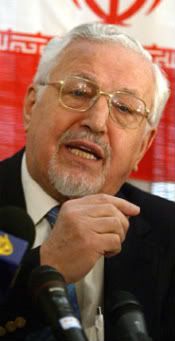
Tehran Is Running Scared of the Uncontrollable Forces of Freedom

TIMES ONLINE: The surge of revolt threatened to become a tidal wave. So the Islamic republic responded with ‘a coup against the coup[’]

Iran seldom admits the international media. It makes an exception at election times because it wants the world to see the Islamic republic's glorious democracy in action. Thus some 400 foreign journalists and television crews were given ten-day visas to cover Friday's presidential election, and for a week we really did see a vibrant and impressive democratic process.

Admittedly the four candidates were handpicked by the regime, but they ranged from the liberal to ultra-conservative, offered starkly contrasting visions for the future and engaged in remarkably outspoken TV debates. The people responded. Armies of supporters took over the streets, festooned every square with posters and banners and, on election day itself, flocked to the polling stations in numbers that shamed most Western democracies.

The charade ended abruptly on Friday night. Scarcely had polling ended than Mahmoud Ahmadinejad's cronies in the Interior Ministry and Elections Commission declared him the winner. They gave him not a razor-thin victory, which might just have been credible - the President did have legions of diehard supporters among the pious and rural poor. They gave him nearly two thirds of the vote, a figure that defied belief and raised two unmistakable fingers to the Iranian people and the world. They claimed that the main challenger, Mir Hossein Mousavi, lost heavily even in his own village. The number of votes allegedly cast for Mr Ahmadinejad, 24.5 million, was probably chosen so that he could claim to have more support than any president in the republic's 30-year history. The previous high was just over 20 million, cast for the reformist Mohammad Khatami in 1997.

The crackdown began instantly. Mobile phone and text messaging systems were taken down so the opposition could not organise. Opposition websites and international news services were blocked. Baton-wielding security forces flooded on to the streets. Overnight the festive atmosphere turned to fear, exuberance to terror, as the regime showed how evil it is.

All weekend protests were ruthlessly suppressed. Demonstrators were beaten. Foreign journalists, including a reporter and photographer from The Times, were detained. Leading reformists were arrested. Iran's “Prague Spring”, its “Velvet Revolution”, was crushed with Soviet-style ruthlessness by a regime practised in silencing dissent. Mr Ahmadinejad, the self-styled man of the people and champion of the oppressed, unleashed the full force of the state machinery on his own population. Meanwhile, congratulations poured in from... well, Syria and Venezuela.

Why the volte-face? Why did the regime open the door a crack, only to slam it shut so violently? Almost certainly because it was appalled by what it saw on the other side. >>> Martin Fletcher | Monday, June 15, 2009