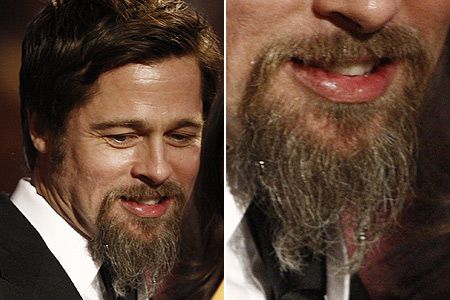
With Brad’s beard getting longer and longer, one must ask oneself a couple of questions: 1.) Is Brad following Prophet Muhammad’s injunction on the length of the beard? 2.) Is he dabbling with the idea of conversion to Islam? - Mark
Monday, January 25, 2010
With Brad’s beard getting longer and longer, one must ask oneself a couple of questions: 1.) Is Brad following Prophet Muhammad’s injunction on the length of the beard? 2.) Is he dabbling with the idea of conversion to Islam? - Mark
Labels:
beards
MAIL ONLINE: Adolf Hitler was a product of his era and Americans are in denial about who really shot JFK, according to Oliver Stone.
The Hollywood filmmaker, who is working on a 10-part documentary called The Secret History Of The United States, said the German dictator was ‘enabled by Western bankers’.
Giving a lecture to high school students on the role of film in peace-building, Stone told how ‘psychopath’ Hitler rose to power thanks to big business leaders and other supporters who appreciated his vow to destroy communism.
Stone, who is in Bangkok for a visit organised by the Vienna-based International Peace Foundation, also told the 300 pupils his movie JFK was his most controversial to date as explores other theories into who killed U.S. president John F Kennedy.
Hitler was and managed to ‘seduce’ Germany's military industrial complex.
He said: ‘Hitler is a monster. There is no question. I have no empathy for Hitler at all.
‘He was a crazy psychopath. But like Frankenstein was a monster, there was a Doctor Frankenstein. He is product of his era.’
Stone said the aim of his documentary, which two historians are helping him with, was to offer a fuller understanding of the 20th century and how some of those lessons may be relevant to President Barack Obama.
‘What has America become? How can we in America not learn from Germany in the 1930s?’ the Oscar-winning director asked. >>> Mail Foreign Service | Monday, January 25, 2010
Labels:
Adolf Hitler,
bankers,
communism,
John F Kennedy
THE GUARDIAN: A parent's complaint over a 'sexually graphic' definition has seen dictionaries removed from southern Californian schools
Dictionaries have been removed from classrooms in southern California schools after a parent complained about a child reading the definition for "oral sex".
Merriam Webster's 10th edition, which has been used for the past few years in fourth and fifth grade classrooms (for children aged nine to 10) in Menifee Union school district, has been pulled from shelves over fears that the "sexually graphic" entry is "just not age appropriate", according to the area's local paper. >>> Alison Flood | Monday, January 25, 2010
Labels:
California,
education
LE POINT: L'un des principaux opposants au président Mahmoud Ahmadinejad, le réformateur Mehdi Karoubi, a reconnu, pour la première fois lundi, le résultat de l'élection du 12 juin. Ses déclarations semblent ouvrir la voie à un apaisement de la crise politique qui secoue l'Iran depuis sept mois. "Je continue à croire que l'élection (présidentielle) a été marquée de fraudes massives, mais puisque le Guide (de la République islamique Ali Khamenei) l'a validée, je crois que M. Ahmadinejad est le chef du gouvernement, c'est-à-dire le président" de l'Iran, a déclaré Mehdi Karoubi, dans une réponse transmise par son fils Hossein Karoubi à une question de l'Agence France-Presse. >>> AFP | Lundi 25 Janvier 2010
Labels:
Ahmadinejad,
l'Iran,
Mehdi Karoubi
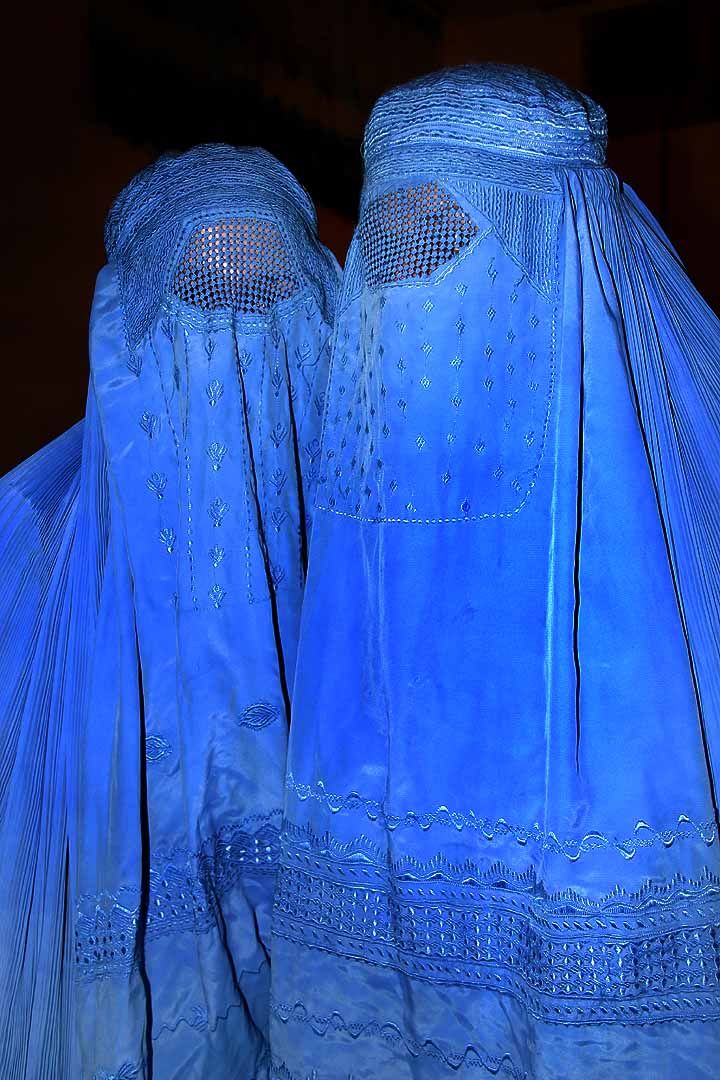
LE POINT: La mission parlementaire rend mardi son rapport préconisant l'interdiction du voile intégral dans les lieux publics. La France n'est pas le seul pays à s'interroger, voire à polémiquer sur l'interdiction de la burqa. Les positions de nos partenaires européens : >>> Par Ségolène Gros de Larquier | Lundi 25 Janvier 2010
ZEIT ONLINE: Neue Hoffnung für Friedensnobelpreisträgerin Suu Kyi: Die Militärjunta will sie angeblich freilassen. Für eine Kandidatur bei der Parlamentswahl wäre es indes zu spät.
14 Jahre Hausarrest könnten in diesem Jahr enden: Wie in Rangun bekannt wurde, soll Innenminister Maung Oo schon in der vergangenen Woche bei einem Treffen mit Lokalpolitikern angekündigt haben, die 64-jährige Aung San Suu Kyi im November freizulassen. Zum ersten Mal seit Langem nennt damit ein Offizieller ein konkretes Datum für die Freilassung der Oppositionspolitikerin und Friedensnobelpreisträgerin.
Ein Sprecher von Suu Kyis Partei NLD wollte die Ankündigung nicht bestätigen. "Ich kann nicht definitiv sagen, dass sie freigelassen wird", sagte U Nyan Win, "aber ich hoffe es."
Suu Kyi war seit September 2003 nicht mehr in Freiheit – sie hat mehr als 14 der vergangenen 20 Jahre unter Hausarrest verbracht. Zuletzt war Suu Kyi von der Militärjunta im August zu 18 Monaten Hausarrest verurteilt worden, nachdem ein Amerikaner unter mysteriösen Umständen heimlich zu ihrem Haus an einem See geschwommen war. >>> Zeit Online, Reuters | Montag, 25. Januar 2010
Labels:
Aung San Suu Kyi,
Birma
WELT ONLINE: Obwohl die Morde an Pim Fortuyn und Theo van Gogh mehr als ein halbes Jahrzehnt zurückliegen, sucht die Niederlande bei der Einwanderungspolitik noch immer ihren inneren Kompass. Das zeigt auch der Volksverhetzungsprozess gegen Geert Wilders. Der Politiker profitiert von der tiefen Krise seines Landes.
Kurz vor Weihnachten wollte die Haagse Hogeschool ihren Studenten etwas Gutes tun. Die Hochschule in der niederländischen Regierungsstadt Den Haag beschloss, anders als bisher in diesem Jahr keinen Weihnachtsbaum aufzustellen. Die 19.000 Studenten nicht-westlicher Herkunft, so lautete die Begründung, könnten sich an der christlichen Symbolwirkung eines geschmückten Baumes stören – was sich wiederum negativ auf künftige Immatrikulationszahlen auswirken könnte. Kommunikationsdirektorin Annelies van Rosmalen bringt es auf den Punkt: "Der Baum passt nicht zum internationalen Charakter der Hochschule.“
Fortuyn 2002, Van Gogh 2004
So mancher fragt sich seit dem „Weihnachtskrieg von Den Haag“, ob die Holländer nur nett zu den Immigranten sein wollen oder ob sie – aus Angst oder falsch verstandener Toleranz – freiwillig ihre eigene Kultur über Bord werfen.
Der Fall mit dem Weihnachtsbaum ist nämlich keinesfalls eine Ausnahme. Der in Ägypten geborene Ezzat Aziz hat seine eigenen Erfahrungen gemacht. Seit 1998 arbeitet er als Fahrkartenkontrolleur beim öffentlichen Transportunternehmen von Amsterdam. Der 56-Jährige trägt bei seiner Arbeit immer ein Kreuz auf der Brust, denn er ist Christ, Mitglied der ägyptischen Minderheit der Kopten. Dann aber verbot das Unternehmen seinen Mitarbeitern, christliche Symbole zu tragen. Aus „Gründen der Professionalität“ dürfe Schmuck nicht über der Kleidung getragen werden, erläuterte Unternehmenssprecherin Petra Faber.
Aziz war 1984 nach Holland emigriert und versteht nun die Welt nicht mehr: "Ich lebe doch in einem demokratischen Land, in dem man das Recht hat, sich zu seinem Glauben zu bekennen.“ Es half nichts, Aziz wurde vom Dienst suspendiert. Er klagte, doch der Richter bestätigte die Sichtweise des Arbeitgebers. Jacqueline Koops, die Anwältin von Aziz, sieht Grundrechte verletzt. ,,Amsterdam ist eine multikulturelle Stadt. Mein Mandant wird diskriminiert. Es ist Tram-Schaffnerinnen oder Busfahrerinnen ja auch erlaubt, im Dienst ein Kopftuch zu tragen.“ Aziz wird auf Weisung seiner Vorgesetzten inzwischen psychologisch betreut – und hat Redeverbot. >>> Von Rob Savelberg | Montag, 25. Januar 2010
TIME: As if President Barack Obama didn't have his hands full at home with his party's loss of Ted Kennedy's seat in Massachusetts, the collapse of health care reform and a disorganized war against the banks, he now faces a major foreign policy setback too. Since the 2008 presidential campaign, Obama has promised to curtail Iran's nuclear program by simultaneously offering talks and threatening sanctions. After a year of trying, both approaches appear on the verge of failure.
The President has given Iran two deadlines to demonstrate good faith. Last spring, his Administration told reporters that if Iran didn't show willingness to engage in talks by September, sanctions would follow. Then, in September, when Iran hinted it might possibly talk, Obama delivered another deadline, this time the end of 2009. >>> Massimo Calabresi | Monday, January 25, 2010
TIME: Is there life after death? Theologians can debate all they want, but radiation oncologist Dr. Jeffrey Long argues that if you look at the scientific evidence, the answer is unequivocally yes. Drawing on a decade's worth of research on near-death experiences — work that includes cataloguing the stories of some 1,600 people who have gone through them — he makes the case for that controversial conclusion in a new book, Evidence of the Afterlife. Medicine, Long says, cannot account for the consistencies in the accounts reported by people all over the world. He talked to TIME about the nature of near-death experience, the intersection between religion and science and the Oprah effect. >>> Laura Fitzpatrick | Friday, January 22, 2010
Near Death Experience Research Foundation (NDERF)
USA TODAY: BAGHDAD — Iraq's government spokesman says Saddam Hussein's notorious cousin "Chemical Ali" was executed Monday about a week after being sentenced to death for the poison gas attacks that killed more than 5,000 Kurds in 1988. >>> AP | Monday, January 25, 2010
Labels:
breaking news,
Iraq
NZZ ONLINE: In Venezuela sind der oppositionelle Fernsehsender RCTV und fünf weitere Kabelsender nicht mehr zu empfangen. Die Kabelnetzbetreiber hätten die Sender am Sonntag ohne Vorwarnung aus dem Programm genommen, sagte eine RCTV-Sprecherin.
Die TV-Sender gehen davon aus, dass sie abgeschaltet wurden, weil sie sich einer Anordnung der Regierung widersetzten. RCTV hatte sich am Samstag zum zweiten Mal geweigert, eine Ansprache von Präsident Hugo Chávez zu übertragen. Ob die Weigerung in einem direkten Zusammenhang mit der Stilllegung stand, ist aber unklar.
Die Regierung in Venezuela hatte in der Vergangenheit bereits mehrfach Sender geschlossen. Menschenrechtsorganisationen befürchten deshalb eine ernsthafte Einschränkung der Meinungsfreiheit in Venezuela. >>> sda/afp | Sonntag, 24. Januar 2010
Labels:
censorship,
Hugo Chávez,
Venezuela
MAIL ONLINE: Taxpayers face a £250,000 security bill to protect Tony Blair from attack at the Iraq Inquiry.
Intelligence officers have picked up 'domestic chatter' suggesting his appearance warrants a high state of alert.
Thousands of anti-war protesters are expected to form a gauntlet of hate for the former Prime Minister on Friday as he attempts to justify Britain's involvement in the controversial conflict.
He is also a target for Muslim extremists raging at his decision to invade Iraq.
Mr Blair's six-hour appearance before the Chilcot Inquiry is being described as his 'Judgment Day' for sending British forces to topple Saddam Hussein, which cost the lives of 179 troops.
Demonstrators will be met by police road blocks, exclusion zones, armed officers and rooftop surveillance teams. The operation will cost at least £150,000 and could reach £250,000 depending on the number of protesters.
Mr Blair's long-awaited testimony comes days after security chiefs advised the Government to raise the level of terrorist threat from 'substantial' to 'severe' following the Christmas Day attempted plane bombing.
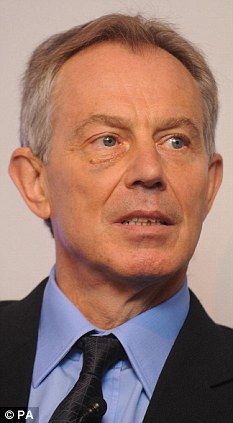
The inquiry panel, led by retired civil servant Sir John Chilcot, will put the former Premier on the rack over suspicions that he misled Parliament on the reasons for going to war before MPs narrowly voted in favour of military action. £250,000 ring of steel for Tony Blair's grilling: Huge security operation as Judgment Day looms for ex-PM over Iraq War >>> Ian Drury, Stephen Wright and Tim Shipman | Sunday, January 24, 2010
Labels:
inquiry,
Tony Blair
Sunday, January 24, 2010
Wiki: Jussi Björling
Wiki: Renata Tebaldi
LE TEMPS: Voitures de luxe carbonisées, cocktails Molotov contre des commissariats, quartiers branchés ciblés: les autonomes ont radicalisé leur mouvement l’année dernière
Thomas n’en est toujours pas revenu: par un dimanche matin de novembre, il trouve un petit tas carbonisé à l’endroit même où se trouvait la veille au soir l’Audi A8 dernier cri qu’il avait garée devant sa porte, à Prenzlauer Berg, un quartier «bobo» de Berlin. Les policiers enregistrent sa déposition avec routine… L’année dernière, près de 300 véhicules, la plupart de luxe, ont brûlé dans les rues de Friedrichshain, Kreuzberg et Prenzlauer Berg, trois quartiers branchés de la capitale.
Thomas et son Audi, une voiture prêtée par le fabricant à des fins professionnelles (Thomas teste les nouveaux modèles pour la presse allemande), ne semble nullement impressionner les forces de l’ordre. La destruction de la voiture d’une valeur de 170 000 euros (255 000 francs) vient s’ajouter à la liste déjà longue des délits imputés à l’extrême gauche berlinoise depuis le début de l’année. Les autonomes chercheraient ainsi à freiner le mouvement d’embourgeoisement de quartiers ouvriers devenus branchés, et peu à peu vidés de leur population d’origine.
Voitures en flammes; affrontements de rue; cocktails Molotov lancés contre un commissariat ou un local utilisé par l’extrême droite; attaques contre des représentants des forces de l’ordre: les violences des activistes d’extrême gauche se sont multipliées l’année dernière en Allemagne. Berlin est en premier lieu concerné. Mais le mouvement touche aussi Hambourg, Francfort, Leipzig et Potsdam. >>> Nathalie Versieux | Samedi 23 Janvier 2010
LE FIGARO: Très jeunes, peu éduqués, ils constituentune cible de choix dans le recrutement d'al-Qaida dans la péninsule arabique.
Les vétérans du djihad les appellent «les gamins de l'Internet». Des jeunes d'à peine 20 ans, endoctrinés sur la Toile, sans avoir jamais croisés Oussama Ben Laden et les autres leaders historiques d'al-Qaida. «Nous assistons à l'émergence d'une nouvelle génération de militants, souvent au chômage, très peu éduqués, qui sont la cible du recrutement d'al-Qaida au Yémen», explique l'analyste yéménite Mourad Zafir. Tel Abdel Rahman al-Ujairih, ce kamikaze de 18 ans, inconnu des services de sécurité, qui tua quatre touristes sud-coréens et leur guide local en mars dernier, en se projetant contre eux avec des explosifs. Depuis «nous avons capturé des dizaines d'autres jeunes, certains avaient planifié des attentats suicides», reconnaît le vice-ministre des Affaires étrangères, Mohy Dhabi. Jeudi, les autorités ont annoncé avoir suspendu, dans les aéroports l'octroi de visa d'entrée aux étrangers, un certain nombre d'entre eux étant soupçonnés de venir grossir les rangs d'al-Qaida.
L'Irak fut le terrain d'entraînement de cette nouvelle génération de djihadistes. À partir de 2003, de nombreux Yéménites allèrent y affronter les troupes américaines. «N'oubliez pas que Zarqaoui (le chef d'al-Qaida en Irak, jusqu'à sa mort en 2006, NDLR) était entouré de plusieurs Yéménites» , relève le journaliste Abdullilah Shaya. Mais contrairement à leurs aînés «afghans», ces djihadistes ne se contentèrent pas de s'entraîner, ils combattirent deux, voire trois ans, face à la plus puissante armée du monde. À leur retour au Yémen, cette «expertise» ne tarda pas à produire ses effets : les premières attaques au mortier contre des ambassades eurent lieu en 2007. >>> Georges Malbrunot, Envoyé spécial du Figaro à Sanaa | Jeudi 21 Janvier 2010
Labels:
Al-Qaida,
les djihadistes,
Yémen
THE TELEGRAPH: In an exclusive extract from his new book, Freefall, the former World Bank chief economist, reveals why banks should be split up and why the West must cut consumption.
In the Great Recession that began in 2008, millions of people in America and all over the world lost their homes and jobs. Many more suffered the anxiety and fear of doing so, and almost anyone who put away money for retirement or a child's education saw those investments dwindle to a fraction of their value.
A crisis that began in America soon turned global, as tens of millions lost their jobs worldwide – 20m in China alone – and tens of millions fell into poverty.
This is not the way things were supposed to be. Modern economics, with its faith in free markets and globalisation, had promised prosperity for all. The much-touted New Economy – the amazing innovations that marked the latter half of the 20th century, including deregulation and financial engineering – was supposed to enable better risk management, bringing with it the end of the business cycle. If the combination of the New Economy and modern economics had not eliminated economic fluctuations, at least it was taming them. Or so we were told.
The Great Recession – clearly the worst downturn since the Great Depression 75 years earlier – has shattered these illusions. It is forcing us to rethink long-cherished views.
For a quarter century, certain free-market doctrines have prevailed: free and unfettered markets are efficient; if they make mistakes, they quickly correct them. The best government is a small government, and regulation only impedes innovation. Central banks should be independent and only focus on keeping inflation low.
Today, even the high priest of that ideology, Alan Greenspan, the chairman of the Federal Reserve Board during the period in which these views prevailed, has admitted that there was a flaw in this reasoning – but his confession came too late for the many who have suffered as a consequence.
In time, every crisis ends. But no crisis, especially one of this severity, passes without leaving a legacy. The legacy of 2008 will include new perspectives on the long-standing conflict over the kind of economic system most likely to deliver the greatest benefit.
I believe that markets lie at the heart of every successful economy but that markets do not work well on their own. In this sense, I'm in the tradition of the celebrated British economist John Maynard Keynes, whose influence towers over the study of modern economics.
Government needs to play a role, and not just in rescuing the economy when markets fail and in regulating markets to prevent the kinds of failures we have just experienced. Economies need a balance between the role of markets and the role of government – with important contributions by non-market and non-governmental institutions. In the last 25 years, America lost that balance, and it pushed its unbalanced perspective on countries around the world.
The current crisis has uncovered fundamental flaws in the capitalist system, or at least the peculiar version of capitalism that emerged in the latter part of the 20th century in the US (sometimes called American-style capitalism). It is not just a matter of flawed individuals or specific mistakes, nor is it a matter of fixing a few minor problems or tweaking a few policies.
It has been hard to see these flaws because we Americans wanted so much to believe in our economic system. "Our team" had done so much better than our arch enemy, the Soviet bloc. >>> | Saturday, January 23, 2010
Labels:
capitalism,
Joseph Stiglitz
Subscribe to:
Posts (Atom)