Wednesday, January 13, 2010


Google Will Quit China Unless Web Censorship Ends

THE TELEGRAPH: Google, the internet search engine, has set itself at odds with the authorities in China by declaring that it will stop censoring search results on its Chinese website.

In a surprise announcement, the group issued a veiled attack at Chinese censors and said it was prepared to shut down its operations there entirely if the authorities do not allow it to create an unfiltered search engine.

The company courted controversy in 2006 when it launched in China but, as a concession to the Communist government, agreed to filter the results available on its website for "inappropriate" content. It does not operate such filters in other major countries. >>> Edmund Conway | Tuesday, January 12, 2010

Tuesday, January 12, 2010

New Dark Age Alert! Studie: Mehr als 2,3 Milliarden Menschen sind nicht frei

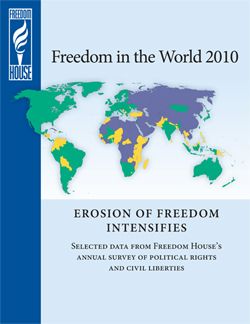
WELT ONLINE: Mehr als die Hälfte der Weltbevölkerung muss auf freie Lebensbedingungen verzichten. Die Organisation Freedom House zählt weltweit nur 89 Staaten, in denen die Menschen frei sind – Tendenz sinkend. Selbst in Europa rügt die "Weltpolizei" mit Hauptsitz in Washington mehrere Länder.

Weltkarte: Welt Online

Freedom House, die namhafte Forschungseinrichtung mit Hauptsitz in Washington D.C., beklagt eine „weltweite Erosion der Freiheit“. Weniger als die Hälfte der Weltbevölkerung lebt unter Bedingungen, die man als „frei“ bezeichnen kann, heißt es im Jahresbericht 2010 der Organisation. Im vierten Jahr in Folge überwiege der Rückgang bürgerlicher Freiheiten den Fortschritt demokratischer Grundrechte – die längste Periode kontinuierlicher Freiheitseinbußen in der fast 40 Jahre langen Geschichte der Bestandsaufnahme.

In 40 Staaten registrierte Freedom House eine Verschlechterung der Lage, vor allem in Afrika, Lateinamerika, im Nahen- und Mittleren Osten sowie in den Staaten der ehemaligen Sowjetunion. Der Iran, Russland, Venezuela und Vietnam – ohnehin schon in der untersten Kategorie geführt – hätten ihre Repressionen noch einmal angezogen. Bahrain, Jordanien, Marokko, Kenia und Kirgistan haben ihre zuletzt positiven Tendenzen nicht mehr halten können und wurden gegenüber dem Report von 2009 heruntergestuft. >>> Von Dietrich Alexander | Dienstag, 12. Januar 2010

Freedom in the World 2010 Survey Release

FREEDOM HOUSE: On January 12, Freedom House released its findings from the latest edition of Freedom in the World, the annual survey of global political rights and civil liberties. According to the survey’s findings, 2009 marked the fourth consecutive year in which global freedom suffered a decline—the longest consecutive period of setbacks for freedom in the nearly 40-year history of the report. >>> Release of Findings, Tuesday, January 12, 2010
In einem fremden Kleid

Eine afghanische Burka. Bild: NZZ Online

NZZ am SONNTAG: Der Schleier ist im Westen Symbol von Fundamentalismus und Unterdrückung der Frau. Die Debatte über ein Verbot ist im Gang. Wie ist es in der Schweiz, eine Burka zu tragen? Ein Tag undercover.

Das Tram ist voll. Sie sitzt am Fenster. Draussen flirren Häuserfassaden vorbei. Der nächste Halt. Leute steigen ein. Einer, Typ Sportlehrer mit Rucksack, steuert den Sitz neben ihr an. Bis er sie sieht. Dann steuert er doch lieber daran vorbei. Ebenso eine feste Dame, die sich mit einem Gehstock durch den Gang schiebt. Obwohl das Tram schon wieder fährt. Sechs Stationen, der Platz neben ihr bleibt frei.

Umsteigen. Sie geht wie eine Greisin, um ihr Ziel sicher zu erreichen: die Tür. Unten auf dem Trottoir herrscht ein geschäftiges Durcheinander von Moonboots, Stiefeln, Lederschuhen. Es ist ziemlich kalt an diesem Morgen. Einen Fuss auf die erste Stufe, den anderen auf die zweite. So weit, so gut. Keine dreissig Sekunden vergehen, dann schreit eine sehr kleine Frau mit einer sehr grossen Sonnenbrille in ihr Gesicht: «Gopfertami!» Was ist passiert? Sie sind zusammengeprallt. Versehentlich.

Einen Tag lang bin ich in Zürich unterwegs, fahre Tram, gehe in den Strassen, kaufe ein, in der Apotheke, der Migros. Nichts Besonderes. Besonders aber ist meine Erscheinung: total verhüllt. Über Thermohosen trage ich einen Rock und über dem Rock eine Burka. Eine afghanische, um genau zu sein: blau, hinten boden-, vorne hüftlang, aus einem synthetischen, bestickten Stoff. Mein Gesicht ist bedeckt. Sogar die Augenpartie, wo sich ein Fliegengitter-artiges Fenster befindet. Ein Kollege hat sie an Kabuls «Chicken Street» gekauft, einem Hippieparadies, vor der Herrschaft der Taliban.

«Salam alaikum»

Eigentlich hätte ich sie daheim ein bisschen tragen wollen. Zur Vorbereitung. Habe ich dann doch immer irgendwie aufgeschoben. Wahrscheinlich weil dieser Fetzen Stoff alles ist, was mir, meiner Kultur, meinem Geschlecht, meiner Generation fremd ist. Freiheit? Gleichberechtigung? Selbstverständlich. Wie das Studieren an der Uni oder das Ausüben eines Berufs, den wir uns aussuchen. Niemand sonst. Schon gar nicht ein Mann. Selbstverwirklichung ist unsere Religion. Vielleicht auch Liebe. Trotzdem oder gerade deshalb will ich wissen: Wie ist es, eine Burka zu tragen? In einer Zeit, in der man sich wieder besonders ängstigt vor islamischem Fundamentalismus. In einem Land, dessen Mehrheit schon allein gegen den Bau von Minaretten stimmt. Das nun darüber debattiert, auch dieses Gewand nicht mehr zu tolerieren. >>> Von Carole Koch | Sonntag, 10. Januar 2010
François Fillon se prononce pour une loi sur la burqa

François Fillon a fait un pas vers Jean-François Copé pour tenter de mettre fin à la cacophonie sur le dossier de la burqa. Crédits photo : Le Figaro

LE FIGARO: Le premier ministre s'est prononcé mardi pour une «résolution ferme» assortie de «textes législatifs et de décisions réglementaires». Il prend à contre pied les cadres de l'UMP qui jugeaient la proposition de loi de Jean-François Copé prématurée.

L'interdiction de la burqa n'en finit plus de faire parler d'elle. Fin décembre, Jean-François Copé avait surpris les députés, notamment dans les rangs de l'UMP, en annonçant le dépôt en janvier d'une proposition de loi interdisant le port du voile dans l'espace public sans attendre les conclusions de la mission parlementaire, prévues pour fin janvier. Mardi, alors que les parlementaires faisaient leur rentrée, le sujet était encore sur toutes les lèvres.

Mardi matin, la majorité des cadres de l'UMP ont d'abord reproché à Jean-François Copé d'avoir agi trop vite. Le secrétaire d'Etat à l'Emploi Laurent Wauquiez a ainsi accusé le député-maire de Meaux de vouloir utiliser le débat pour une «opération d'autopromotion». Le président de l'Assemblée nationale lui-même est intervenu mardi : Bernard Accoyer assure qu'il «serait prématuré de déposer une proposition de loi par un seul groupe politique ou par quelques députés alors qu'il y a possibilité de trouver une solution partagée».

D'autres émettaient des doutes sur la légitimité d'une loi. A l'image de Nathalie Kosciusko-Morizet qui a estimé qu'une loi précipitée risque de tomber sous le coup d'une annulation du Conseil constitutionnel». La secrétaire d'Etat a plaidé pour «une résolution adoptée à l'unanimité» contre le port du voile intégral. La résolution parlementaire permet aux députés de s'exprimer solennellement sur une question de leur choix. Mais reste non-contraignante.

Une disposition pas assez contraignante pour François Fillon, qui est venu recadrer la majorité. S'exprimant mardi à huis clos lors de la réunion hebdomadaire des députés UMP, le premier ministre a déclaré que l'interdiction du port du voile intégral devait «passer par une résolution suffisamment ferme pour fixer les principes, ainsi que des textes législatifs et des décisions réglementaires pour appliquer ces principes». «L'objectif, c'est de faire en sorte que la burqa n'ait pas sa place en France», a assuré François Fillon. «Il faut que la mission parlementaire aille à son terme au plus vite, ça n'empêche pas les uns et les autres d'exprimer les positions», a ajouté le premier ministre. L'UMP peine à trouver une unité >>> Jim Jarrassé (lefigaro.fr) | Mardi 12 Janvier 2010
Even My Parents Think I'm Overpaid, Admits RBS Chief Executive

THE GUARDIAN: But Stephen Hester tells MPs that although his bonus package could be worth up to £10m, it is currently worthless as shares in the state-controlled bank have failed to rise

Stephen Hester giving evidence to the Treasury select committee today. Photo: The Guardian

Stephen Hester, chief executive of Royal Bank of Scotland, admitted today that his parents believe he is paid too much as he stressed that his bonus package was currently worthless because the bank's shares had failed to rise.

Asked by the Treasury select committee of MPs whether he understood why the government wants to restrict bonuses at the state-controlled bank, Hester replied: "Yes".

He insisted that the bank did not yet know the size of the bonus pot that would be split between its 22,000 investment bankers. Hester also revealed that a "handful" of highly paid bankers would avoid the restriction placed on the bank not to pay cash bonuses to anyone earning more than £39,000 because of legal commitments made to them.

He told the MPs, who are also taking evidence from his counterparts at Lloyds Banking Group and Northern Rock, that his "biggest single business problem" was recruiting people who were concerned about the criticism they might encounter if they work for RBS.

Institutional investors had "raised concerns about our ability to keep and motivate good people".

The bank would not tell staff whether they will get a bonus and how large it would be until the end of February, he said.

The Treasury has a power to veto bonuses at the bank under the terms of insuring £282bn of troubled loans through the asset protection scheme (APS). Hester insisted no board directors have threatened to resign as a result of this restriction and insisted he wanted to pay "the minimum possible while keeping staff engaged".

Of his own pay deal, which is linked to the RBS share price but could be worth almost £10m over three years, Hester said: "If you ask my mother and father about my pay they'd say it was too high as well, so some people close to me have that view of bankers." >>> Jill Treanor | Tuesday, January 12, 2010

THE GUARDIAN – BUSINESS BLOG: Bank pay row reaches a crescendo: Banks are preparing to snub the politicians and begin a bumper bonus round later this week. First they have to brave a few final assaults: Obama's threatened tax in America and the House of Commons Treasury committee >>> Dan Roberts | Tuesday, January 12, 2010
Wootton Bassett Protest Group Islam4UK to Be Banned

THE TELEGRAPH: Islam4UK, the Islamist group which provoked outrage with its plan to march through Wootton Bassett will be banned under counter-terrorism laws, Home Secretary Alan Johnson has announced.

The groups leader Shajjadar Choudhury (2nd from left) arriving at Luton Magistrates Court. Photo: The Telegraph

The order will come into effect on Thursday and make it a criminal offence to be a member, punishable by up to 10 years in prison.

Mr Johnson said the group had tried to escape proscription simply by changing its name.

He said the order would apply to the group's other names, including Al Muhajiroun.

"I have today laid an order which will proscribe Al Muhajiroun, Islam4UK, and a number of the other names the organisation goes by," he said.

"It is already proscribed under two other names - Al Ghurabaa and The Saved Sect. >>> | Tuesday, January 12, 2010

Islam4UK Loses the 'Freedom' It Claimed to Despise

THE TELEGRAPH – BLOGS: Islam4UK has been banned. It is now an illegal organisation membership of which is prohibited under anti-terrorisim law. Its spokesman, Anjem Choudary was quick to issue a statement denouncing this move by the Home Secretary as an outrage against democratic freedom – presumably this is the same democratic freedom which his organisation openly professes to loathe. Read further & comment >>> Janet Daley | Tuesday, January 12, 2010

Anjem Choudary Discusses the Islamic March That Would Have Taken Place


THE TELEGRAPH: To what extent does Anjem Choudary represent the Muslim population? : Who represents whom within Muslim communities, indeed any community, is contested ground, writes Jamie Bartlett. >>> Jamie Bartlett | Thursday, January 07, 2010
Yemeni Officials Admit They Are Losing the Battle Against al-Qaeda

THE TELEGRAPH: Yemeni officials have admitted they are losing the battle against al-Qaeda and the terror group is extending its reach into remote regions where state control has all but disappeared.

Men claiming to be Al-Qaeda members address a crowd in Yemen's southern province of Abyan. Photo: The Telegraph

Regional politicians have presented a much bleaker prognosis than the authorities in the capital Sana'a, who have repeatedly sought to play down the threat posed by extremists in the wake of the Detroit terror attack.

They say al-Qaeda has forged its strongest relationship with local tribes in the sparsely populated mountains and desert of the south, where long simmering resentment of the government has given way to near-rebellion.

On the outskirts of Zinjibar, the ramshackle principal town of Abyan province, the gates of an ageing villa set deep in a banana plantation are guarded by more than a dozen Yemeni soldiers and policemen.

Sitting inside his heavily protected official residence, Ahmed al-Misri, Abyan's governor, is a gloomy man who frankly admits he regrets ever having taken up the job.

As well he might, Yemen observers say. Along with the provinces of Shabwa and Marib, Mr Misri's fiefdom forms an ungovernable crescent east of Sana'a and Aden, Yemen's main cities, which many commentators have described as "the new Waziristan". >>> Adrian Blomfield in Zinjibar | Monday, January 11, 2010

Wiki: Zinjibar >>>
US Gay Marriage Ban Challenged in Federal Court

Two gay couples are testifying at the trial. Photograph: BBC

BBC: The first US federal court case to determine whether states are allowed to ban same-sex marriages has opened in San Francisco, California.

Any ruling reached is expected to be challenged, possibly taking the case all the way to the US Supreme Court.

A Supreme Court ruling would determine the fate of gay marriages nationwide, without the possibility of appeal.

The suit, filed by two gay couples, challenges Proposition 8 - a ban on gay marriage in the state of California.

The law amended California's constitution to restrict marriage to a union between a man and a woman.

Supporters of the challenge are comparing it to landmark cases which ended segregation in US schools and overturned a ban on interracial marriage, the BBC's Rajesh Mirchandani reports.

They say the Constitution enshrines the right to marry but, by limiting it to heterosexual couples, it discriminates against gay people. >>> | Tuesday, January 12, 2010
Anne Frank Protector Miep Gies Dies Aged 100

THE TELEGRAPH: Miep Gies, the last surviving member of the group who helped Anne Frank and her family hide from the Nazis, has died in the Netherlands. She was 100.

Miep Gies died in a nursing home after suffering a fall before Christmas. Photograph: The Telegraph

Gies and other employees of Anne's father, Otto, smuggled food and books to the Franks as they hid with the van Daan family for two years, from 1942 to 1944, in a secret annex above Frank's business premises in Amsterdam.

Anne's diary, a log of life in hiding, which ended in betrayal, is one of the most enduring records of the Holocaust. Anne was sent to the Bergen-Belsen concentration camp, where she died of typhus.

Mrs Gies found Anne's diary after the family was deported and locked the papers away, handing them over to Otto Frank, the family's sole survivor, after the war. >>> | Tuesday, January 12, 2010
Sarah Palin Signs On as Fox News Commentator

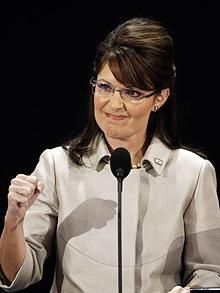
THE TELEGRAPH: Sarah Palin has signed on as a commentator with Fox News, fulfilling predictions that she would pursue a career in television after stepping down as governor of Alaska.

The conservative star will not have her own show, but will contribute to various news programmes and present an occasional series involving ordinary American heroes.

She will therefore have time for other pursuits that will keep her name alive as a potential presidential candidate in 2012, but the move will increase speculation that her future lies outside of electoral politics.

"I am thrilled to be joining the great talent and management team at Fox News," Mrs Palin said in a statement posted on the network's website. "It's wonderful to be part of a place that so values fair and balanced news." >>> Alex Spillius in Washington | Monday, January 11, 2010

LE MONDE: Sarah Palin, nouvelle commentatrice de la chaîne Fox News >>> LEMONDE.FR avec AFP | Lundi 11 Janvier 2010
'Islam Is' Not Being Censored by Google

THE TELEGRAPH – BLOGS: It doesn’t take much to get a conspiracy theorist going. Once they’ve found one conspiracy, they start seeing them everywhere. Pretty soon, the tinfoil hat never comes off.

Conspiracy theories about Google are particularly tiresome because they so often come from people who don’t understand how the search engine works. Wondering why your story is no longer in Google News? Perhaps it got too long to be listed – that can happen. There’s usually a sensible explanation but sensible explanations just further infuriate conspiracy nuts. “This cannot be accidental,” they bluster.

Anyway, the latest Google conspiracy posits that the search giant is censoring offensive descriptions of Islam.

It works like this: if you go to the Google homepage and type the words “Christianity is” then Google will suggest possible endings for your query. When I tried it I got “Christianity is ——–”, “Christianity is not a religion” and “Christianity is a lie”, among other things.

The same applies to the other major religions. Except Islam. Type “Islam is” into Google and the great oracle is silent. >>> Shane Richmond | Monday, January 11, 2010
Quakers Call for Legal Recognition of Same Sex Marriages

NEWSMAKER: Australian Quakers, meeting in their annual meeting in Adelaide today, called on the Federal Government to amend the Marriage Act to give full and equal legal recognition to all marriages, regardless of the sexual orientation and gender of the partners.

‘Australian Quakers celebrated our first same sex marriage in 2007 and seeking legal recognition for such unions is consistent with our long held spiritual belief in the equality of all people’, said Lyndsay Farrall, Presiding Clerk of Australia Yearly Meeting.

‘Ongoing discrimination against people on the basis of their sexual orientation and gender under Australian law is a matter of growing disquiet for Quakers’, Lyndsay Farrall said.

Quakers agreed today to practise full marriage equality within Quaker Meetings around Australia, including celebrating the spiritual aspects of same sex weddings, and expressed their hope that the Marriage Act will be amended as soon as possible to allow Quakers to support such couples to full legal recognition. >>> | Monday, January 11, 2010

Monday, January 11, 2010

Great Australian Website

AUSTRALIAN ISLAMIST MONITOR – Objectives: Islam in its current form, as preached, taught and propagated by the mainstream Muslim elites, is incompatible with the existing political system in Australia. This is because Islam in this form is not just a religion but an entire political system, and regulatory force, controlling every aspect of the life of its followers and requiring them to actively secure for Islam the dominant, privileged position.

This is not confined to religious dominance, but most importantly it aims to replace our Australian political system and democratic principles with Islamic ones. Moreover, Muslims living in Australia are instructed by their religious leaders that Islamic law (Sharia) has primacy over Australian law. This process has already begun. There is considerable evidence that (here and elsewhere) Muslim leaders use covert means to achieve their goals by subverting existing democratic processes and procedures. Misleading information is given to our political leaders, the community and religious leaders about Islam's final intent. The involvement of other countries with financial and political support poses an additional threat to our nation.

We at AIM believe that this form of Islam (called Islamism) has become a serious threat to the viability of Australia as a Western Democracy, to our egalitarian values, and our freedom. Furthermore we believe that if this process is not stopped now, Australia will become yet another part of the world suffering chronic violence, intolerance (discrimination against non-Muslims which has its basis in the Qur'an) and declining legal and intellectual freedom. On behalf of Australians who cherish their freedom and democracy, we reject Islamism and Shariah in any form.

We urgently call on truly moderate Muslims to reform Islam, so that it becomes a true, personal religion, not an ideology, and can take its place alongside the peaceful religions which make up our multifaith community. Click over and discover a great site! >>>

Australian Islamist Monitor – Homepage >>>
New York: Metropolitan Museum entfernt Mohammed-Bilder

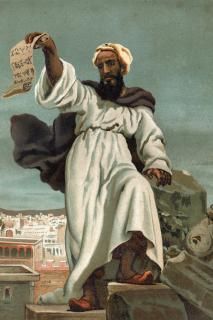
Mohammed und der Erzengel Gabriel. Persische Miniatur. Bild: Welt Online

WELT ONLINE: Aufregung in New York: Das Metropolitan Museum of Art will einem Medienbericht zufolge Kunstwerke mit Mohammed-Bildern nicht mehr zeigen. Außerdem soll die Abteilung für "Islamische Kunst" umbenannt werden. Ein Islamwissenschaftler von der Yale Universität spricht von einer "Schande".

Das Metropolitan Museum of Art in New York will Kunstwerke mit Mohammed-Bildern nicht mehr zeigen. Außerdem werden diese Bilder wohl auch nicht mehr in der neuen Ausstellung, die 2011 nach der Renovierung des Museums eröffnet werden soll, hängen, berichtet die „New York Post“.

Momentan sind wegen des 50 Millionen Dollar teuren Umbaus des Hauses nur etwa 60 von 60.000 islamischen Kunstwerken im Metropolitan zu sehen. Weil aber konservative Muslime am Abbildungsverbot für ihren Propheten Mohammed festhalten, seien die Kunstwerke „unter Beobachtung“, heißt es. Außerdem habe das Museum angekündigt, seine Abteilung für „Islamische Kunst“ in „Arabische Länder, Türkei, Iran und Zentralasien“ umzubenennen. >>> Von Uta Baier | Montag, 11. Januar 2010

’Jihad’ Jitters at Met

NEW YORK POST: Mohammed art gone

Is the Met afraid of Mohammed?

The Metropolitan Museum of Art quietly pulled images of the Prophet Mohammed from its Islamic collection and may not include them in a renovated exhibition area slated to open in 2011, The Post has learned.

The museum said the controversial images -- objected to by conservative Muslims who say their religion forbids images of their holy founder -- were "under review."

Critics say the Met has a history of dodging criticism and likely wants to escape the kind of outcry that Danish cartoons of Mohammed caused in 2006.

"This is typical of the Met -- trying to avoid any controversy," said a source with inside knowledge of the museum.

The Met currently has about 60 items from its 60,000-piece Islamic collection on temporary display in a corner of its vast second-floor Great Hall while larger galleries are renovated. But its three ancient renderings of Mohammed are not among them. >>> Isabel Vincent | Sunday, January 10, 2010
Europe's Gay Leaders: Out at The Top

TIME: When Iceland installed Johanna Sigurdardottir as Prime Minister last February, newspapers around the globe printed variations of the same headline: ICELAND APPOINTS WORLD'S FIRST GAY LEADER. Everywhere, that is, except Iceland. The Icelandic media didn't mention Sigurdardottir's sexuality for days, and only then to point out that the foreign press had taken an interest in their new head of state — a 67-year-old former flight attendant turned politician whom voters had consistently rated Iceland's most trustworthy politician. Sure, she was gay and had entered a civil partnership with another woman in 2002. But Icelanders hardly seemed to notice. "The media silence echoed the sentiment of the public. Nobody cared about her sexual orientation," says Margret Bjornsdottir, the director of the Institute for Public Administration and Politics at the University of Iceland. "Being gay is a nonissue here. It's considered unremarkable."

Buoyed by liberal attitudes such as those, politicians across Western Europe are stepping out of the closet and into their country's highest political offices. Eleven openly gay men and women now serve in the British Parliament, including two in the Cabinet. Last June, Nicolas Sarkozy appointed Frédéric Mitterrand, a gay television presenter, to the post of Minister of Culture. Paris' Mayor Bertrand Delanoë, tipped by some to contest the 2012 presidential race, is gay. And Guido Westerwelle, chairman of Germany's Free Democratic Party, has just become his country's Foreign Minister, joining a gay élite that includes the mayors of Berlin and Hamburg, Germany's two largest cities. Klaus Wowereit, Berlin's mayor, says coming out ahead of the 2001 mayoral race while under pressure from tabloids strengthened his campaign. "My confession might have contributed to my popularity," he says. "Many people appreciate honesty."

That's a far cry from the climate in most of the U.S., where — despite the recent election of Annise Parker, a gay woman, as mayor of Houston, America's fourth largest city — honesty can still end a gay politician's career. Openly gay politicians such as San Francisco supervisor Harvey Milk began winning seats in U.S. cities with large gay populations in the 1970s. Progress has since slowed, says David Rayside, a professor of political science at the University of Toronto. He believes that the relative strength of incumbency in the U.S. creates a barrier to the corridors of power, as does "the strength of religious conservatives." Of the 511,000 elected offices in the U.S. — from local school boards way up to President — openly gay men and women occupy just 450 of them, according to the U.S.-based Victory Fund, an organization that offers financial support to gay political candidates. No openly gay person has ever sat in the Senate, and only three hold seats in the House of Representatives.

The gap between the U.S. and Europe doesn't just exist at the top: 49% of Americans polled by the Pew Research Center in 2007 believed that society should "accept" homosexuality. Contrast that with attitudes in Europe where more than 80% of French, Germans and Spaniards had such a view. Only Catholic and conservative Poles felt as uncomfortable with the idea as Americans. Denis Dison, a spokesman for the Victory Fund, says those attitudes can make it difficult for gay people to campaign — let alone obtain office. "In places where the climate isn't friendly, it's hard for them to even go into a town hall meeting or public forum because they get such nasty questions." The European Difference >>> William Lee Adams | Monday, January 18, 2010
Le pape en remet une couche sur l'homosexualité

TRIBUNE DE GENÈVE: SOCIÉTÉ | Benoît XVI a dénoncé lundi les lois qui, selon lui, aboutissent à nier la différence entre les sexes. Cette intervention du pape fait suite à l'adoption par le Portugal d'un texte autorisant le mariage homosexuel.

Lors de sa traditionnelle audience de début d'année au corps diplomatique accrédité auprès du Vatican, Benoît XVI a qualifié d'«attaque» envers ce que Dieu a créé, les «lois ou des projets qui, au nom de la lutte contre la discrimination, portent atteinte au fondement biologique de la différence entre les sexes». >>> AFP | Lundi 11 Janvier 2010

Pope Slams Gay Marriage as 'Attack' on Creation

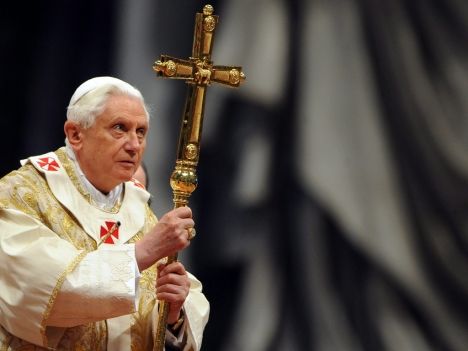
THE SYDNEY MORNING HERALD: Pope Benedict XVI has called laws ignoring the difference between the sexes an "attack" on creation just days after Portugal moved to legalise gay marriage.

Creatures, including humans, "can be protected or endangered", the Pope, 82, told the Vatican diplomatic corps in a traditional January address focusing mainly on environmental issues.

"One such attack comes from laws or proposals which, in the name of fighting discrimination, strike at the biological basis of the difference between the sexes," he said, citing "certain countries in Europe or North and South America". >>> AFP | Tuesday, January 12, 2010

LE MONDE: Le pape dénonce les lois qui, selon lui, nient la différence entre les sexes: L ors de sa traditionnelle audience de début d'année au corps diplomatique accrédité auprès du Vatican, Benoît XVI a qualifié, lundi 11 janvier, d'"attaque" envers ce que Dieu a créé, les "lois ou des projets qui, au nom de la lutte contre la discrimination, portent atteinte au fondement biologique de la différence entre les sexes". >>> LEMONDE.FR avec AFP | Lundi 11 Janvier 2010
Caricatures de Mahomet: islamiste inculpé de terrorisme

TRIBUNE DE GENÈVE: DANEMARK | La justice a annoncé lundi l’inculpation pour terrorisme d’un islamiste somalien qui avait tenté de tuer le 1er janvier un auteur de caricatures du prophète Mahomet.

L’homme de 28 ans, soupçonné de liens avec Al-Qaïda, était entré par effraction au domicile du dessinateur Kurt Westergaard à Aarhus, la deuxième ville du pays, à 200km au nord-ouest de Copenhague. >>> AP | Lundi 11 Janvier 2010
Le prince saoudien Al-Walid veut bâtir une tour de 1000 mètres

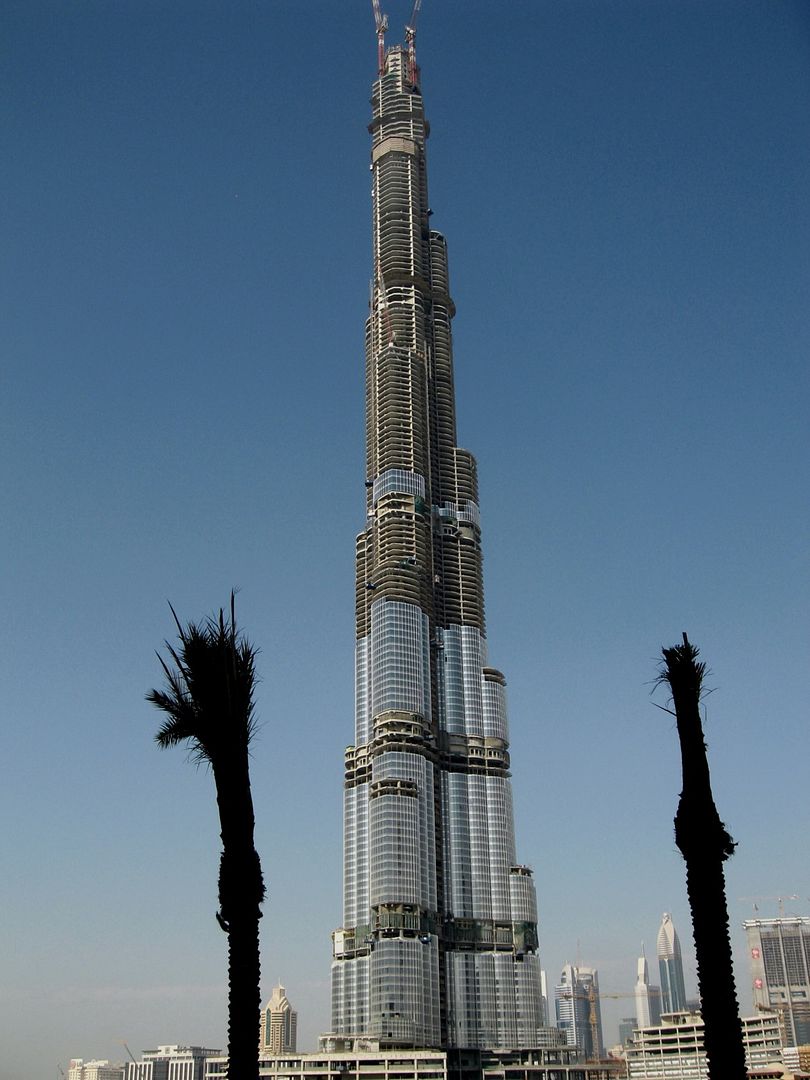
TRIBUNE DE GENÈVE: RYAD | La course se poursuit dans le Golfe. Alors qu'une tour de 828 mètres vient d'être inaugurée à Dubai, l'Arabie pourrait bien dépasser largement l'émirat...

Le prince milliardaire saoudien Al-Walid ben Talal a annoncé lundi que son groupe, Kingdom Holdings, préparait des investissements dans l’hôtellerie et l’immobilier, y compris une tour d’un kilomètre de haut dans la ville portuaire saoudienne de Jeddah.

Si cette tour voit le jour, elle battra en hauteur la tour Khalifa de Dubaï, haute de 828 m, et qui a été inaugurée le 4 janvier.

Le prince, l’une des plus grosses fortunes du monde, a indiqué avoir transféré 180 millions de ses actions dans Citigroup au Kingdom Holdings, soit 597 millions de dollars, pour financer les nouveaux investissements. >>> AFP | Lundi 11 Janvier 2010

France Set on Banning Muslim Niqab in Public

THE GLOBE AND MAIL: Sarkozy's party, opposition in unison about need to curb use of ‘prison for women,' but disagree about how to do so without violating constitutional rights

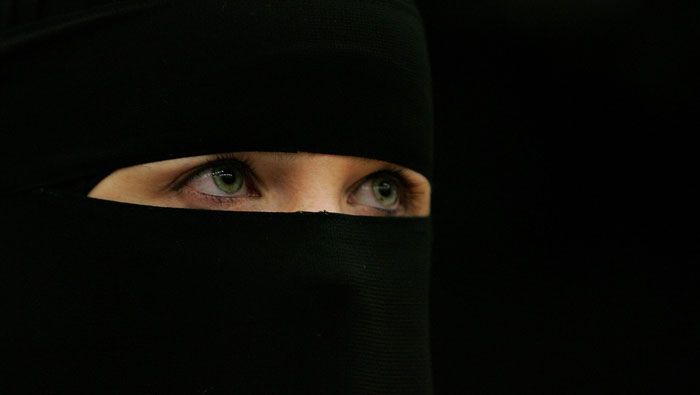
A bruising battle is shaping up in France over whether fully veiled Muslim women should be banned from appearing on the street or in any other public setting, a proposal already endorsed by many of President Nicolas Sarkozy's rightwing allies.

The fight is not over whether the face-covering niqab , or burka , as it is commonly called in France, should be tolerated.

Mr. Sarkozy has said the head-to-toe garment is unwelcome on French soil. The leader of his party bloc in the National Assembly called it a “negation of life in society.” The spokesman for the Socialist opposition condemned it as “a prison for women,” a description only slightly less damning than that of his Communist colleague who termed it “ambulatory prison.”

Five months after setting out to ban the burka , French politicians are with few exceptions divided only over how to go about it without violating constitutional guarantees of freedom of expression.

The Socialists' spokesman, Benoît Hamon, said on Wednesday that while his party opposes the niqab , it has decided that an outright ban would be unenforceable. But a number of leftwing deputies have indicated they will refuse to follow the party line if a ban comes up for a vote.

Several members of Mr. Sarkozy's party have said they plan to introduce a bill to outlaw the wearing of the niqab in the next few days.

Jean-François Copé, the party's parliamentary leader, called the garment a threat by radical Islamists to the nation's security. “Extremists are testing the republic by encouraging a practice they know to be contrary to the essential principles of our country,” he said.

Women wearing the head-to-toe covering, which leaves just a narrow opening for the eyes, are a rare sight in France. The French domestic intelligence agency said late last year it has even counted them, and found precisely 367 niqab-wearers in a country with a Muslim population estimated at close to six million.

Still, the garment has become a red flag, feeding a more generalized unease over the visibility of Islam that has dominated a continuing government-sponsored debate on France's national identity. >>> Susan Sachs | Wednesday, January 06, 2010

Pat Condell: Islam in Europe